Bird List for the Corridor
Here is a list of Birds of Woowookarung and the Canadian Corridor, a work in progress by Joel Ellis and Rob Loveband. All photos by Rob unless otherwise acknowledged. Click on the small photo for an enlarged version. Click on the name for more information from the Bird of the Month article where available.

Confirmed at Woowookarung RP. Potential to be observed patrolling cleared ex-plantations. Also seen regularly at Mt Buninyong and Union Jack Reserve. Australia’s largest bird of prey.
BotM 30 Article ➜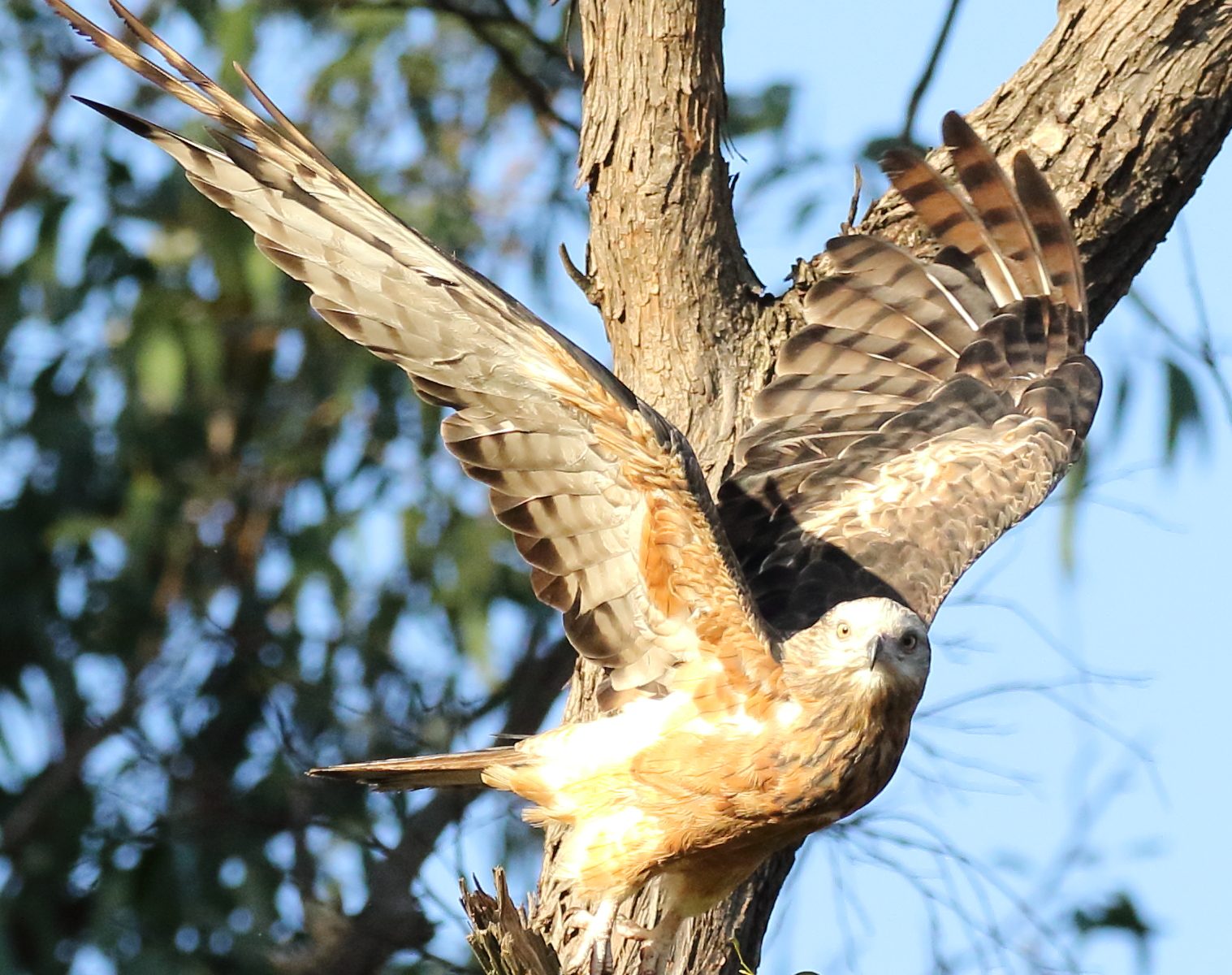
Confirmed in Woowookarung RP. Photographed in Mount Clear area. Uncommon in Ballarat except for semi-regular records at Midlands Golf Course. Distinct pale face. Glides low over treetops, raiding nests and taking small birds.
BotM coming soon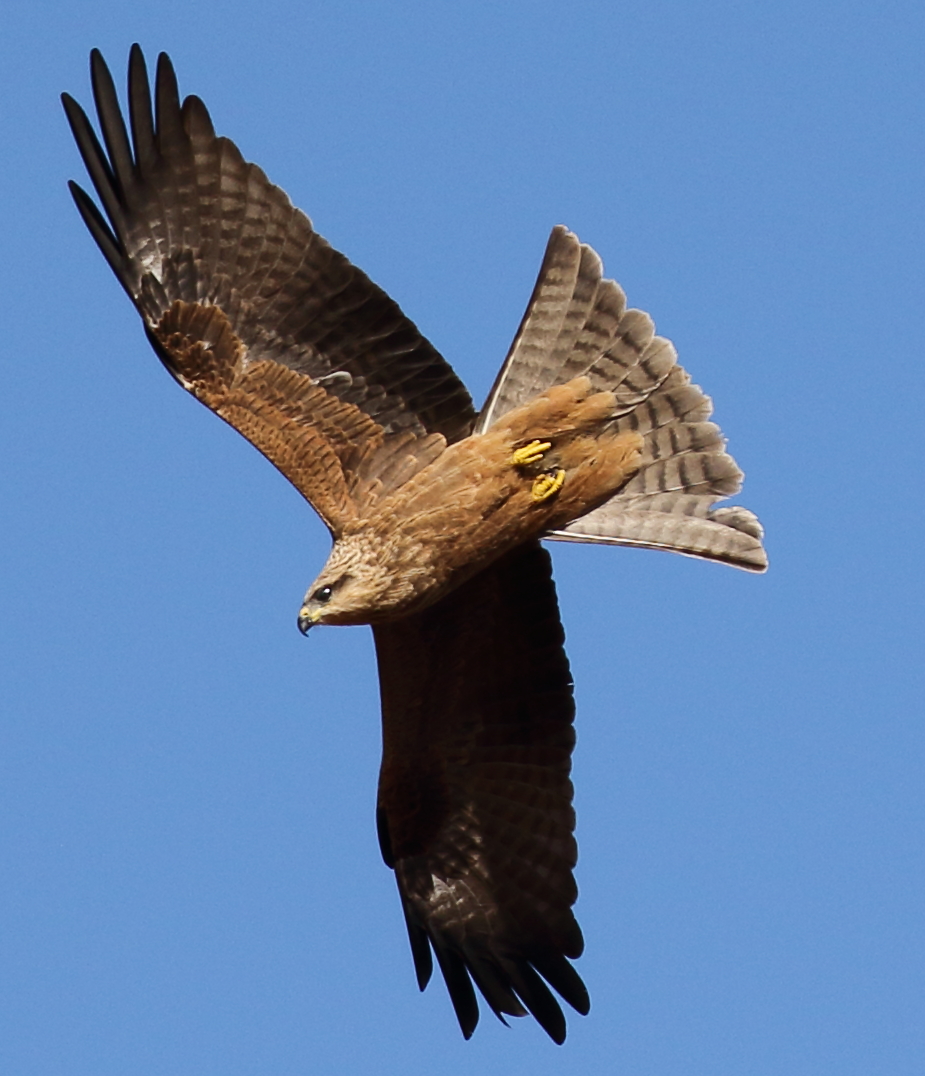
Thriving population in rural Ballarat. Seen flying above Union Jack Reserve. Some migrate north in autumn–winter and return in spring–summer. Potential in cleared ex-plantations. Forked tail is the key ID feature.
BotM 49 Article ➜
Confirmed in Woowookarung RP. Regular at Mt Xavier Golf Course. Observed perched near a Powerful Owl roost. Known for infiltrating cockatoo flocks to ambush prey. Surveys from concealed perches in gullies. Photo by Rob at Yuilles Wetlands, May 2020.
BotM coming soon
Likely occasional in Woowookarung RP. Breeding pair at Union Jack Reserve in spring–summer. Hunts birds with stealth ambush from concealed perches. Smaller head and finer legs than Brown Goshawk.
BotM coming soon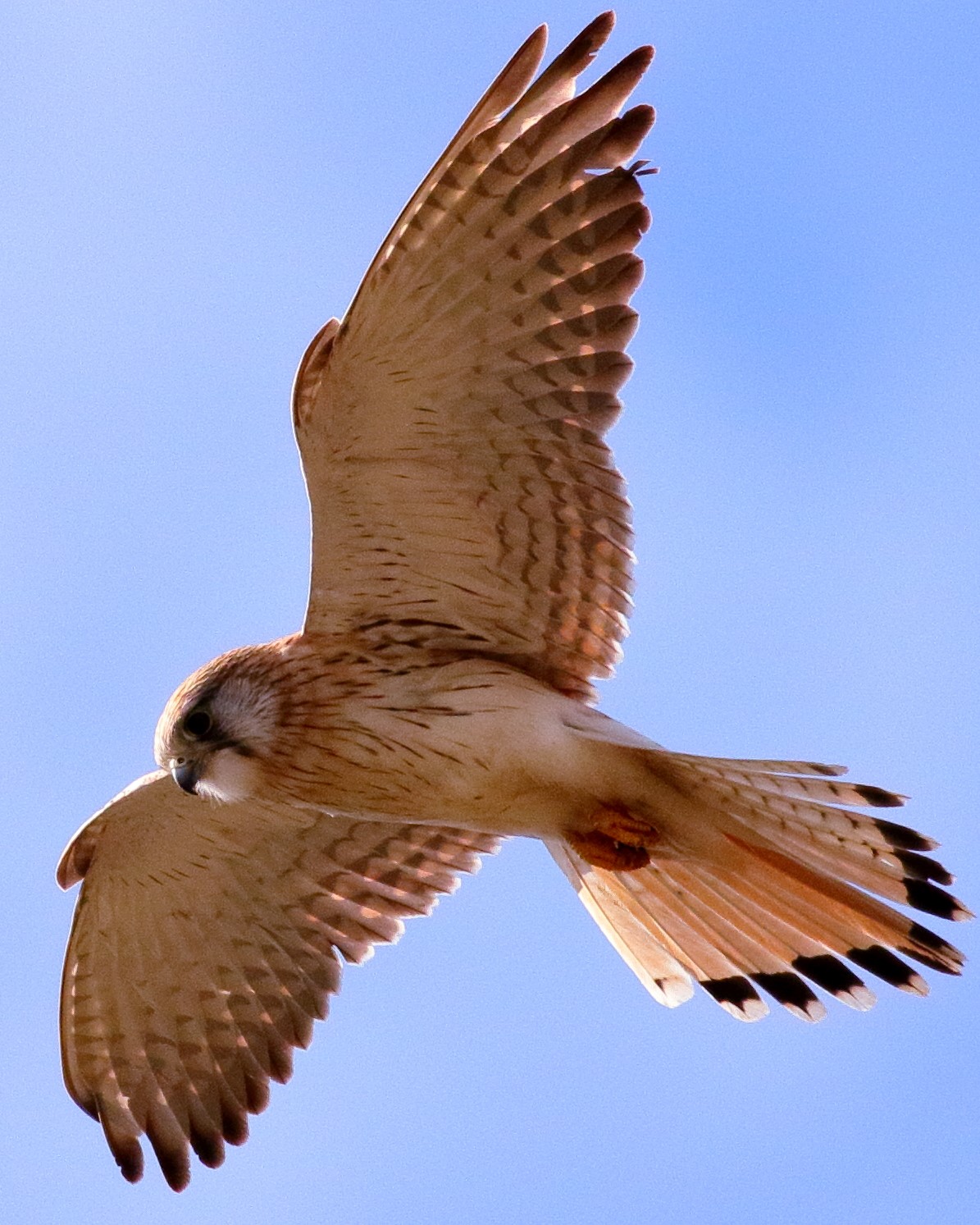
Confirmed at Woowookarung RP. Frequently seen soaring over cleared ex-plantations. Small falcon with slender build. One of two Australian raptors that hover (the other is Black-shouldered Kite). Ginger upperparts and beige underparts.
BotM coming soon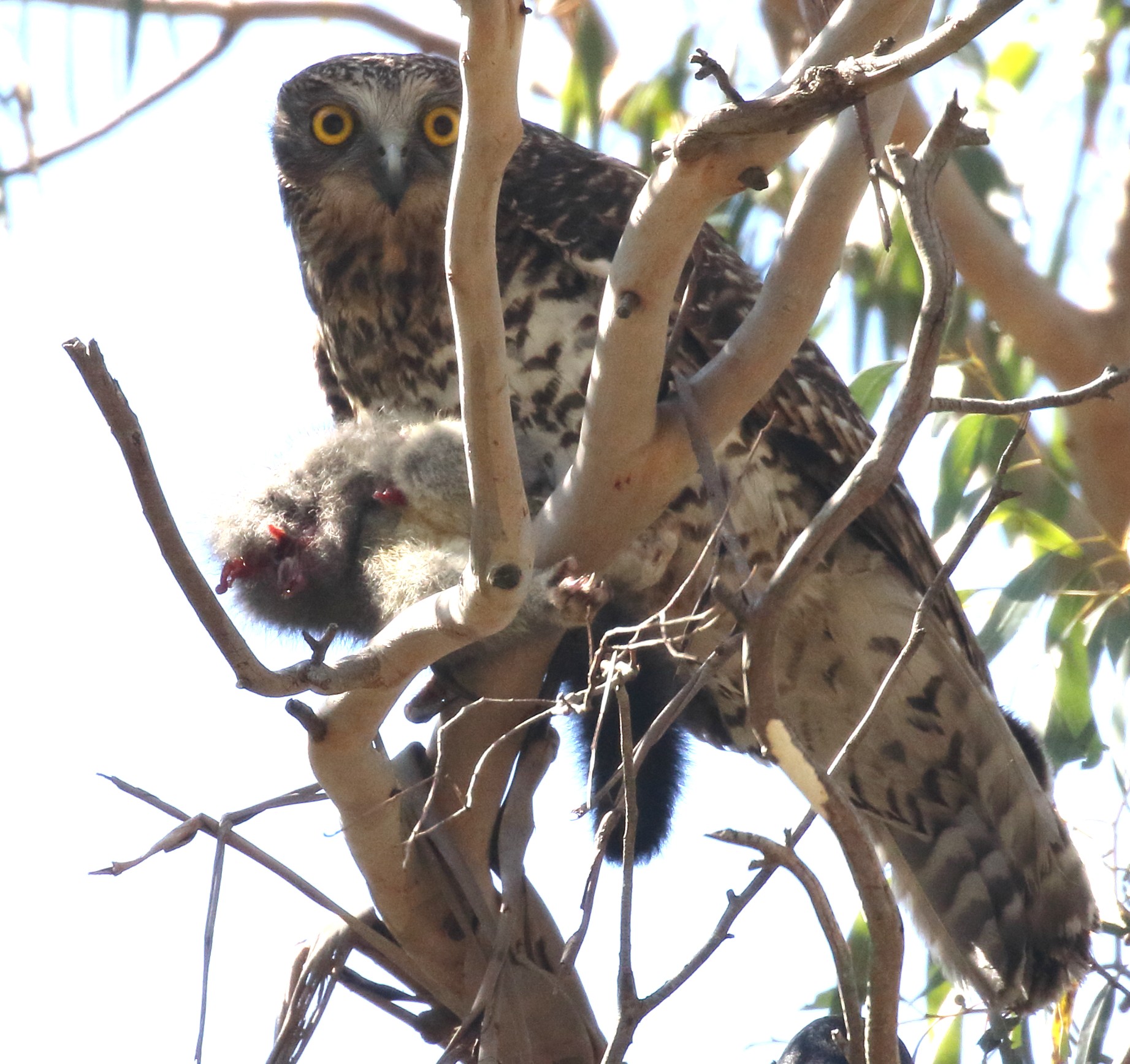
Confirmed in Woowookarung RP and south of Mt Buninyong. Trace evidence and vocal records at Union Jack Reserve and Mt Buninyong. Requires very old hollow-bearing eucalypts. Threatened in Victoria. Locations kept confidential to prevent wildlife crime.
BotM 13 Article ➜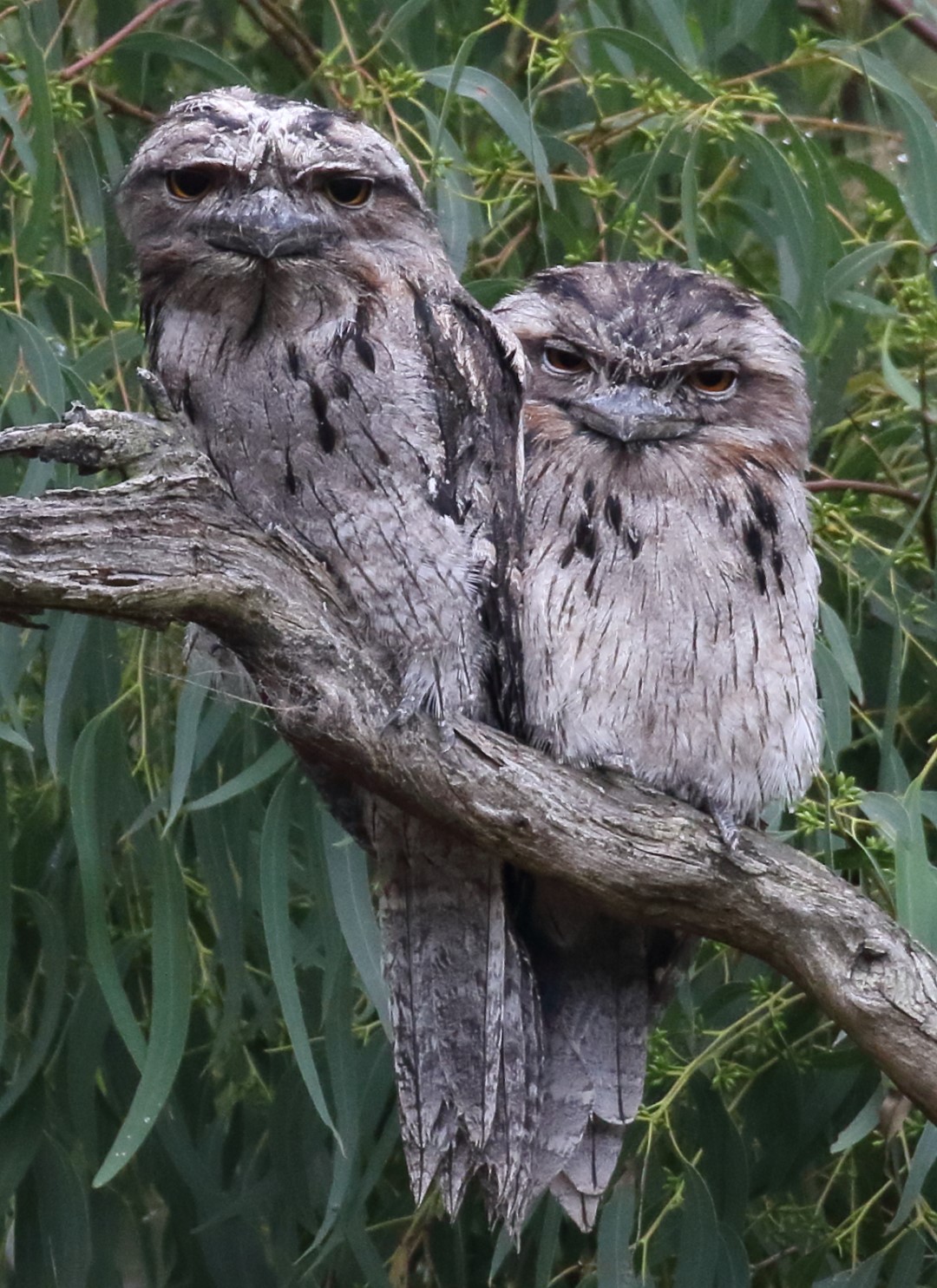
Confirmed in Woowookarung RP. Also roosting in suburban backyards (Fussell St, Timbertop Dr, Lake Esmond, Buninyong). Sighted centrally off Katy Ryans Rd. Not an owl—weak feet, mouth-based prey capture, no facial disk, exceptional camouflage.
BotM 10 Article ➜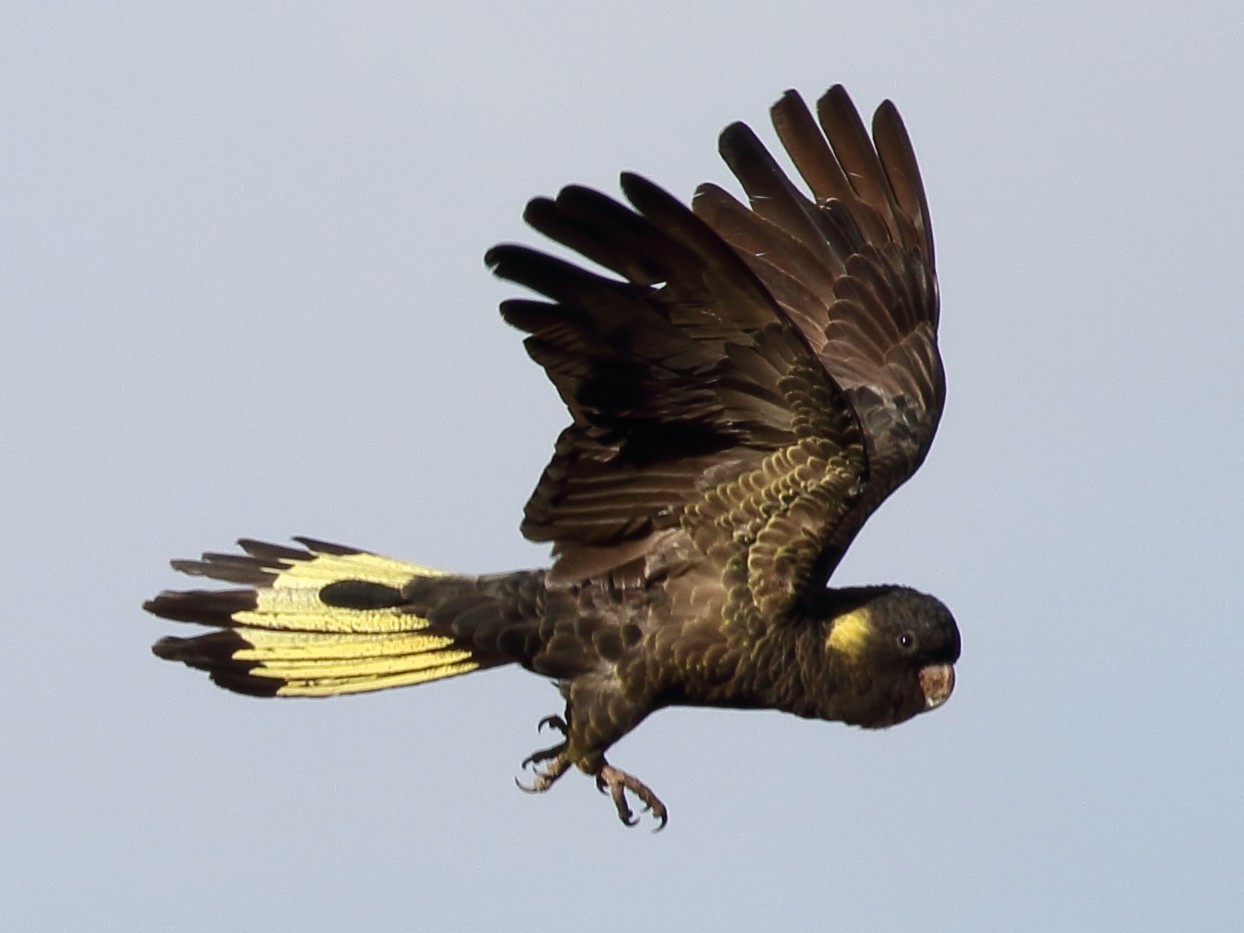
Confirmed in Woowookarung RP. Flyover flocks common, sometimes stopping in pines. Photographed in the Park by Rob. Population stable but dependent on food tree availability.
BotM 8 Article ➜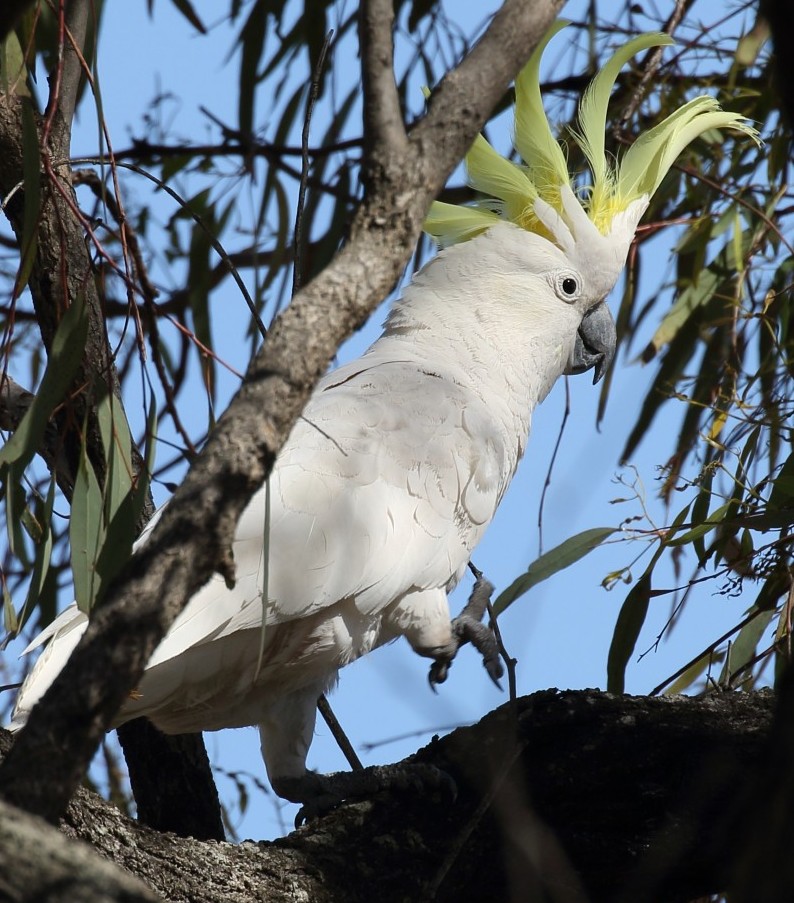
Confirmed in Woowookarung RP. Common and widespread throughout the Corridor. Loud, social, and often in large flocks.
BotM coming soon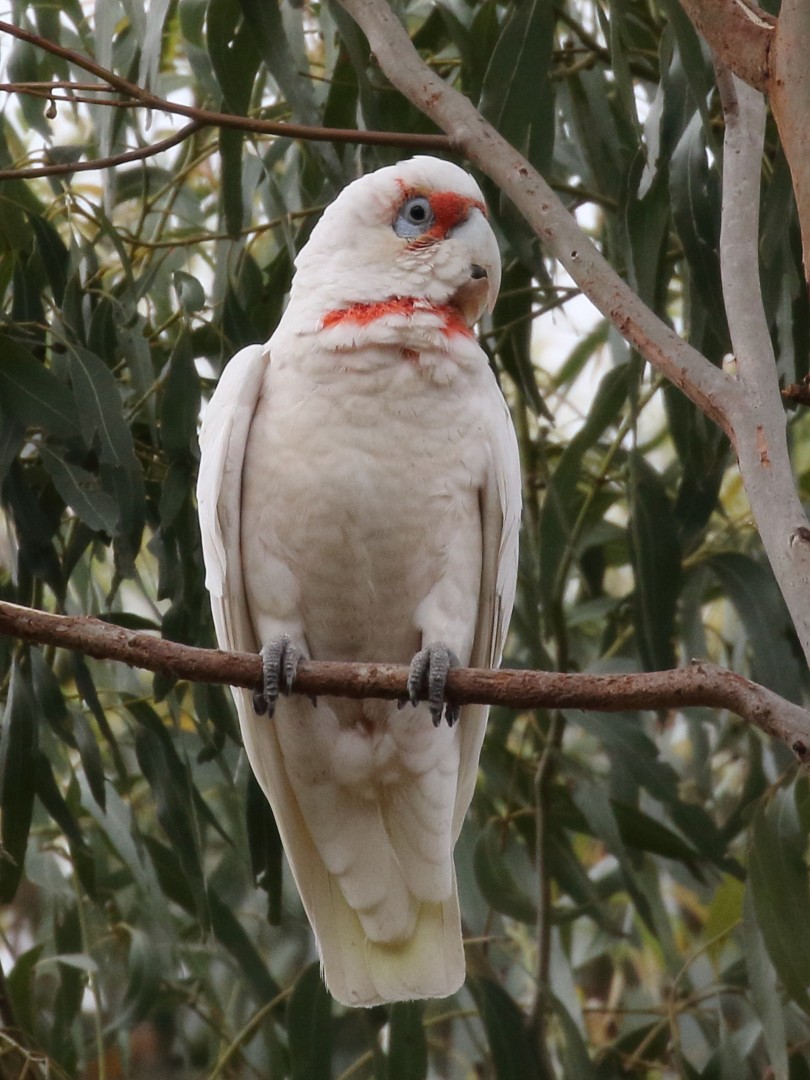
Confirmed in Woowookarung RP. Common and widespread throughout the Corridor. The predominant corella species in Ballarat. Distinguished from Little Corella by salmon/scarlet around the throat and face; Little Corella often shows a raised conical crest.
BotM coming soon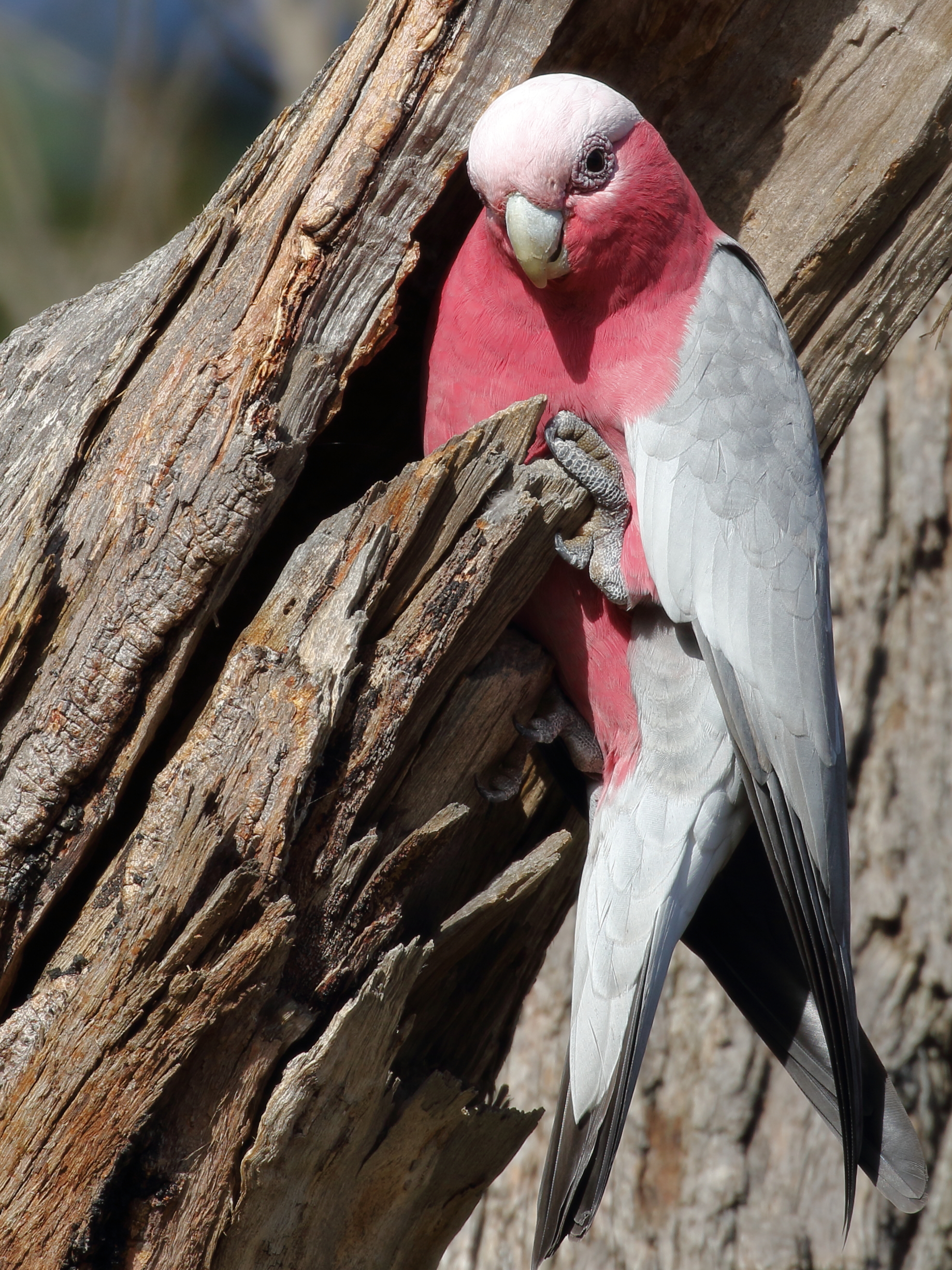
Galah
Confirmed in Woowookarung RP. Common and widespread throughout the Corridor. Seen daily in parkland near East Ballarat.
BotM 22 Article ➜
Confirmed in Woowookarung RP. Common and widespread throughout the Corridor.
BotM 43 Article ➜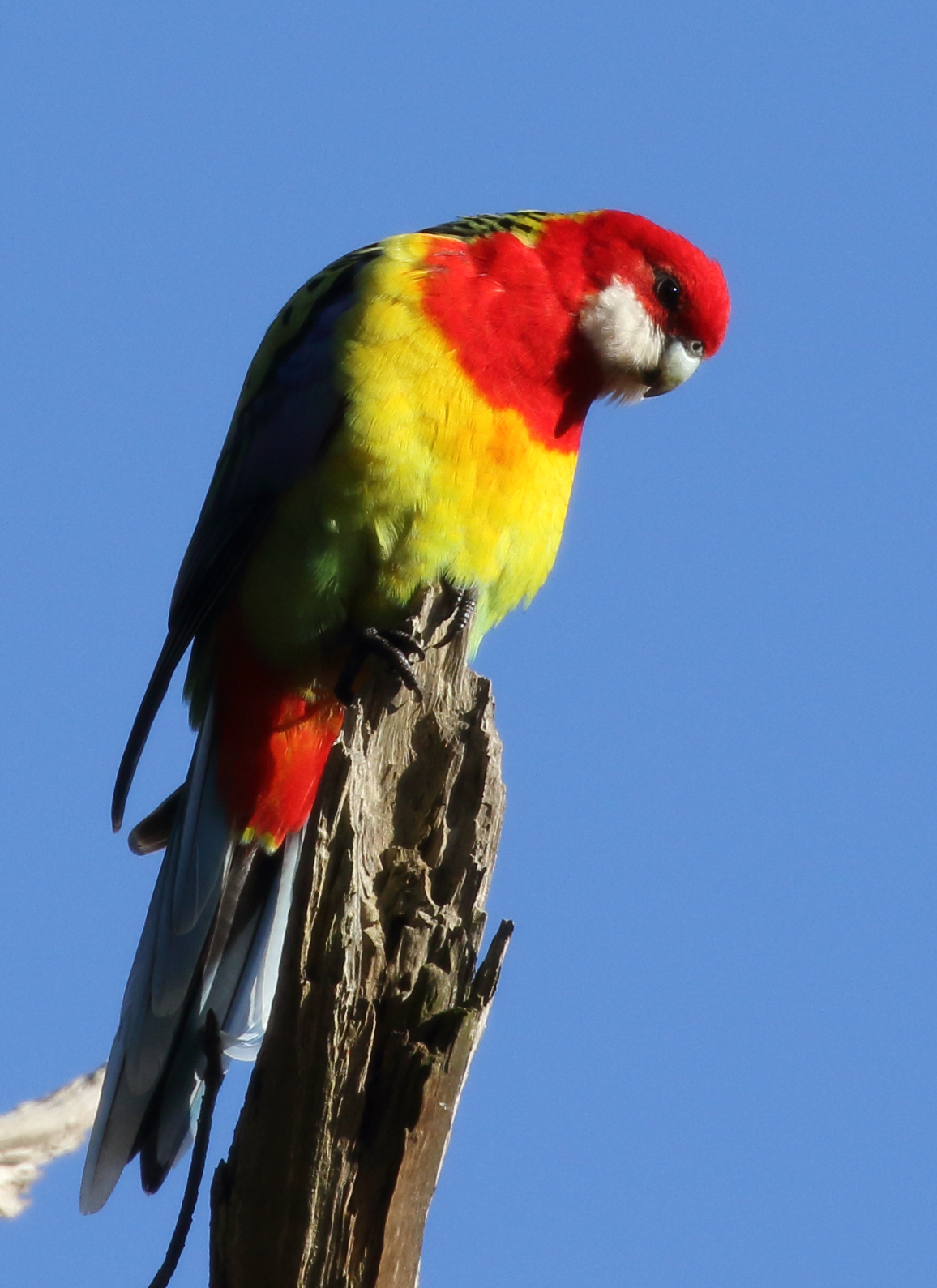
Occasional visitor to Rob’s Mt Clear backyard. Shyer of the two rosellas. More reliably observed on golf courses. Somewhat uncommon outside Lake Wendouree.
BotM 50 Article ➜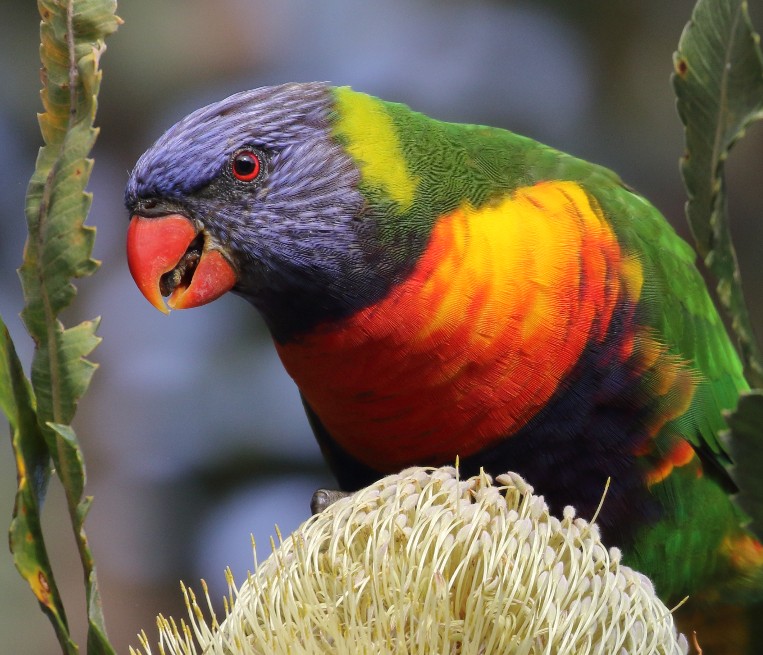
Confirmed in Woowookarung RP. Common and widespread throughout the Corridor.
BotM 15 Article ➜
Confirmed at Woowookarung RP. Nomadic visitor following flowering eucalypts. Sighted in Mt Clear by Rob. Bright green with red forehead and yellow ear-patch.
BotM 48 Article ➜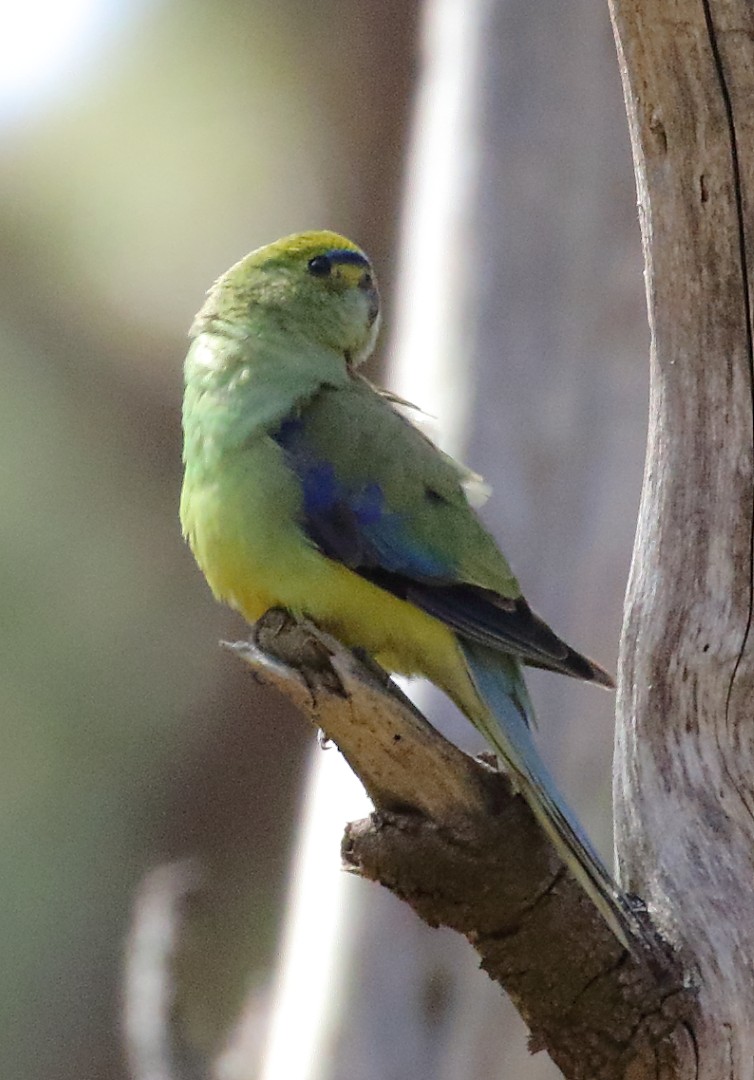
Seen regularly in spring and summer. Small blue‑green parrot, difficult to see against eucalypts. Thin blue line between the eyes is a key ID feature. Also seen on the Dementia Trail in Oct 2021.
BotM 46 Article ➜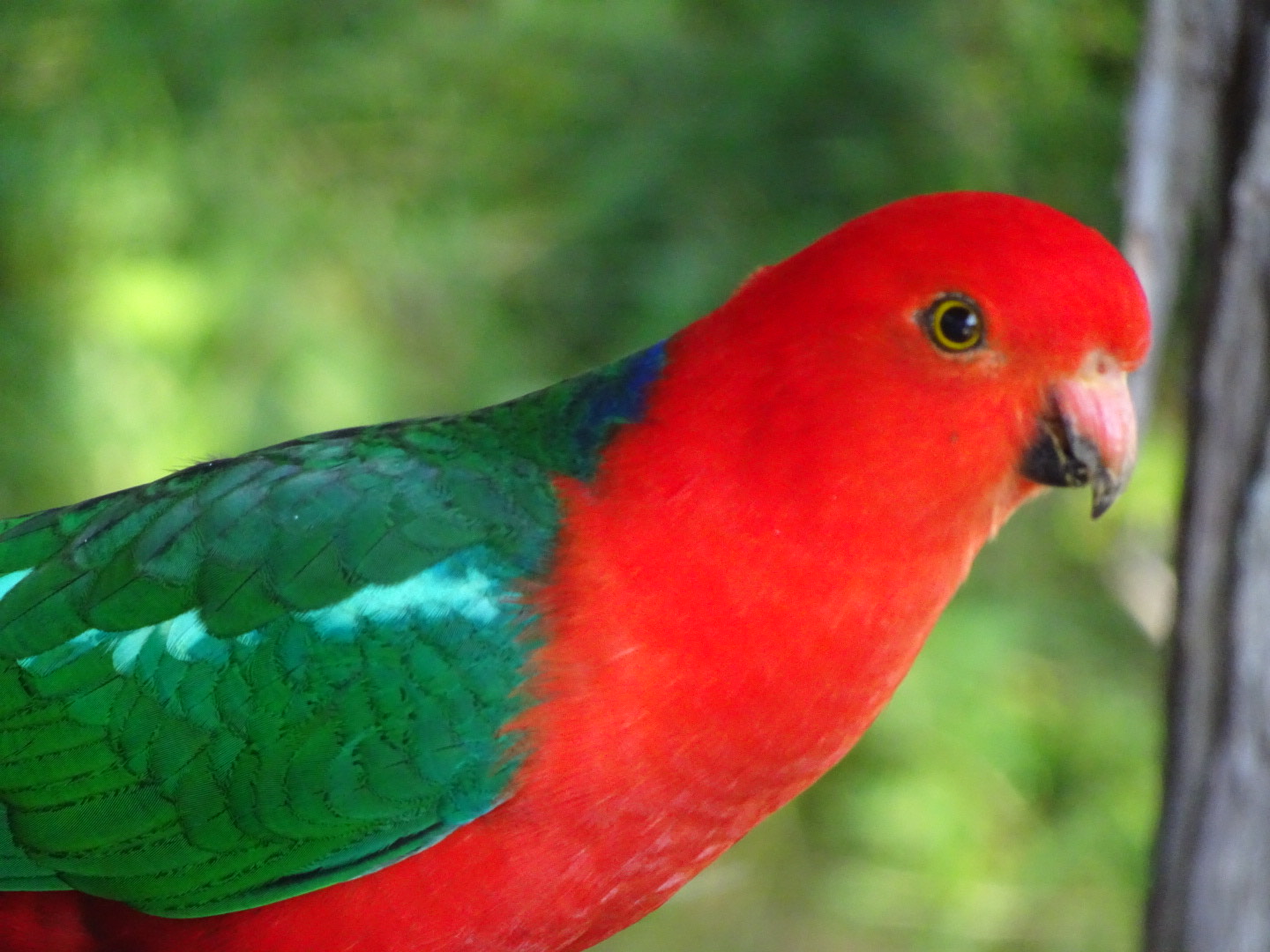
King Parrot
New to the region but increasingly frequent. Large, striking parrot that appears to be naturalising in Ballarat.
BotM 36 Article ➜
Confirmed in Woowookarung RP. Common and widespread throughout the Corridor. Endemic Australian pigeon with iridescent wing panels.
BotM 19 Article ➜
Possibly at Woowookarung RP. Recorded at Union Jack Reserve. Spring–summer breeding migrant. Iridescent green/bronze upperparts and finely barred underparts. More forest‑inclined than Horsfield’s Bronze‑cuckoo.
BotM coming soon
Confirmed at Woowookarung RP. Sighted along the 10,000 Step Nature Trail and heard near the Scenic Lookout. Also occurs at Union Jack Reserve. Spring–summer breeding migrant that winters in northern Australia and PNG.
BotM 1 Article ➜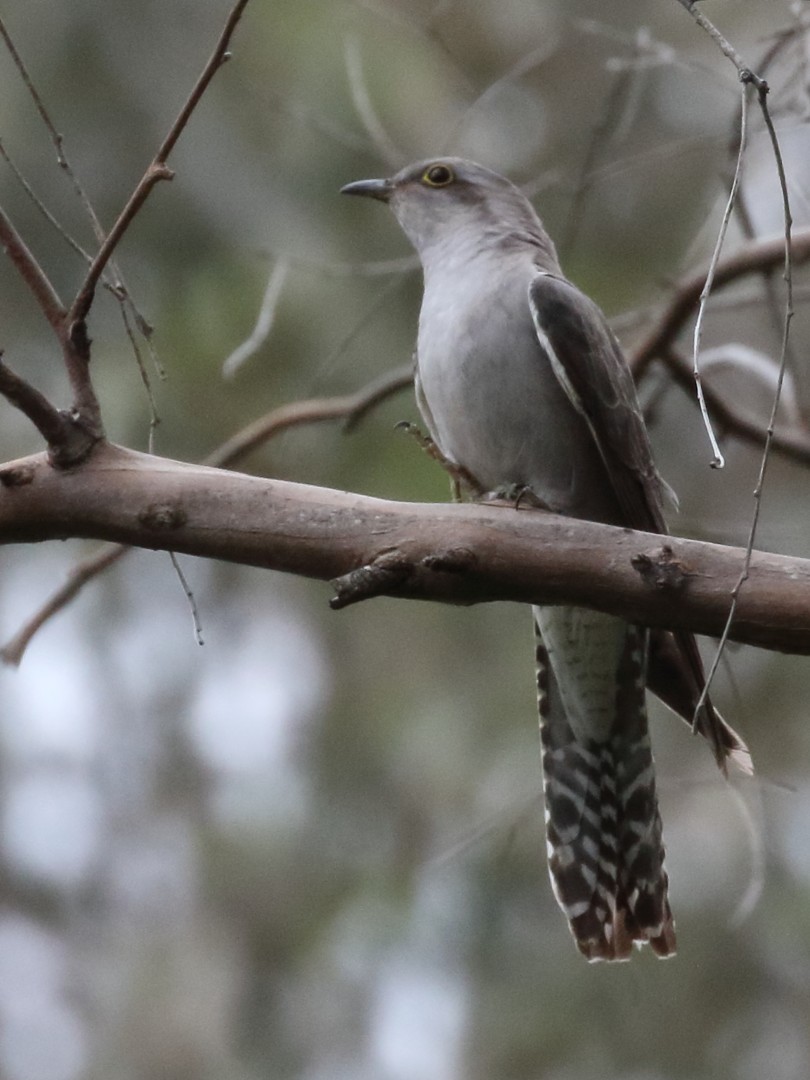
Confirmed at Woowookarung RP (photographed by Rob). Spring–summer breeding migrant that winters in northern Australia and PNG.
BotM 2 Article ➜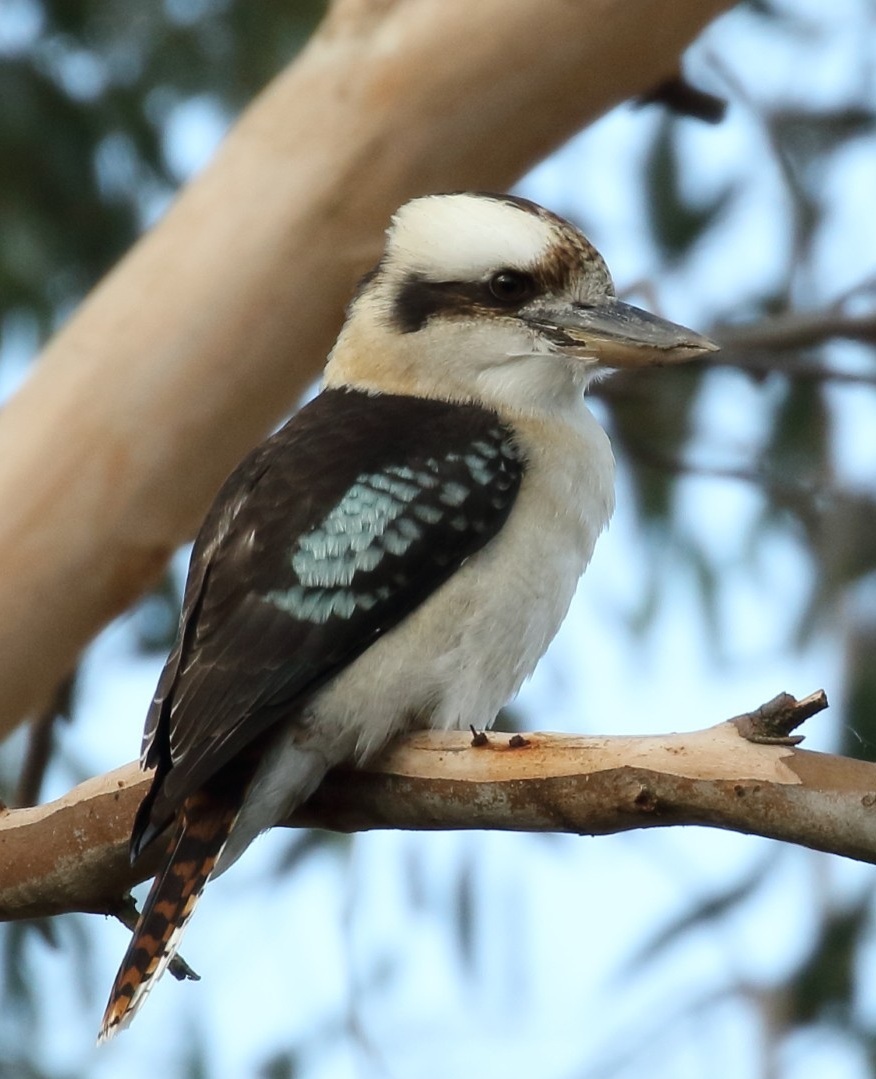
Confirmed at Woowookarung RP. Anecdotal decline in urban areas, but stable and common in bushland and rural areas.
BotM 25 Article ➜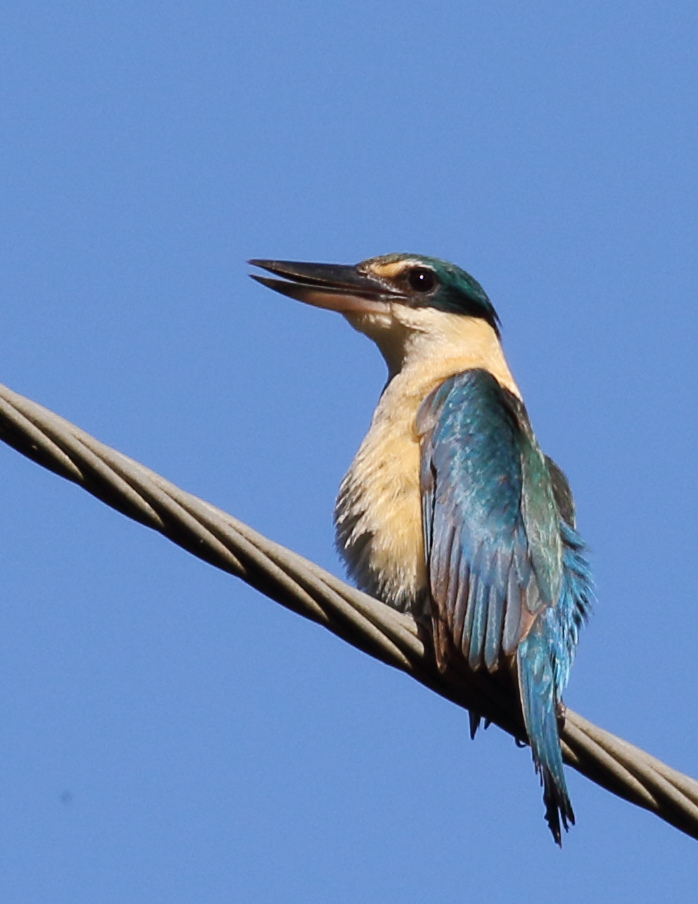
Likely in Woowookarung RP. Spring–summer breeding migrant observed north and south of the Park, including Union Jack Reserve, Buninyong Bushland Reserve, and Ditchfield Reserve. Not strictly tied to water despite its name.
BotM 37 Article ➜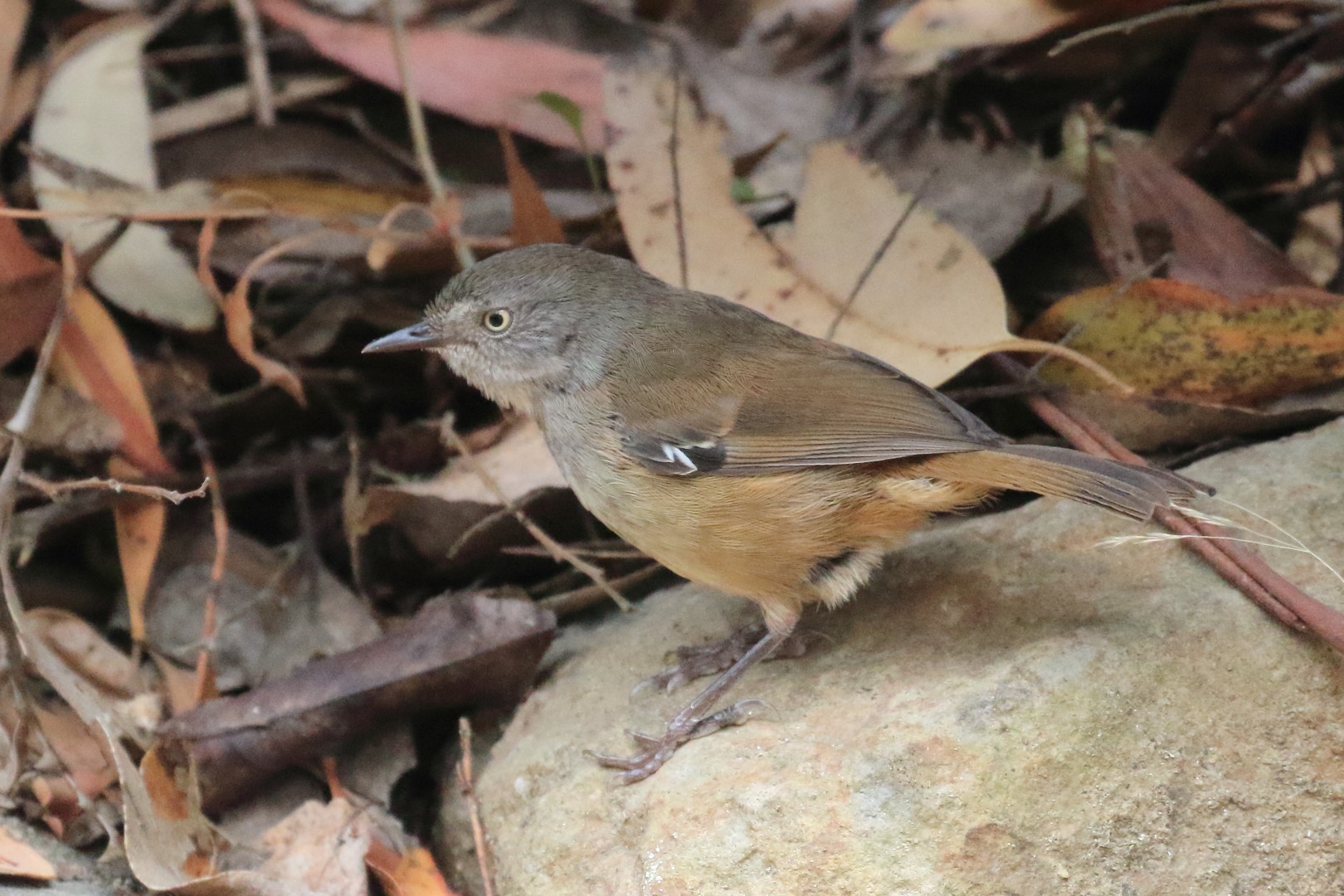
Confirmed in Woowookarung RP. In decline overall, but relatively common locally where understorey vegetation persists.
BotM coming soon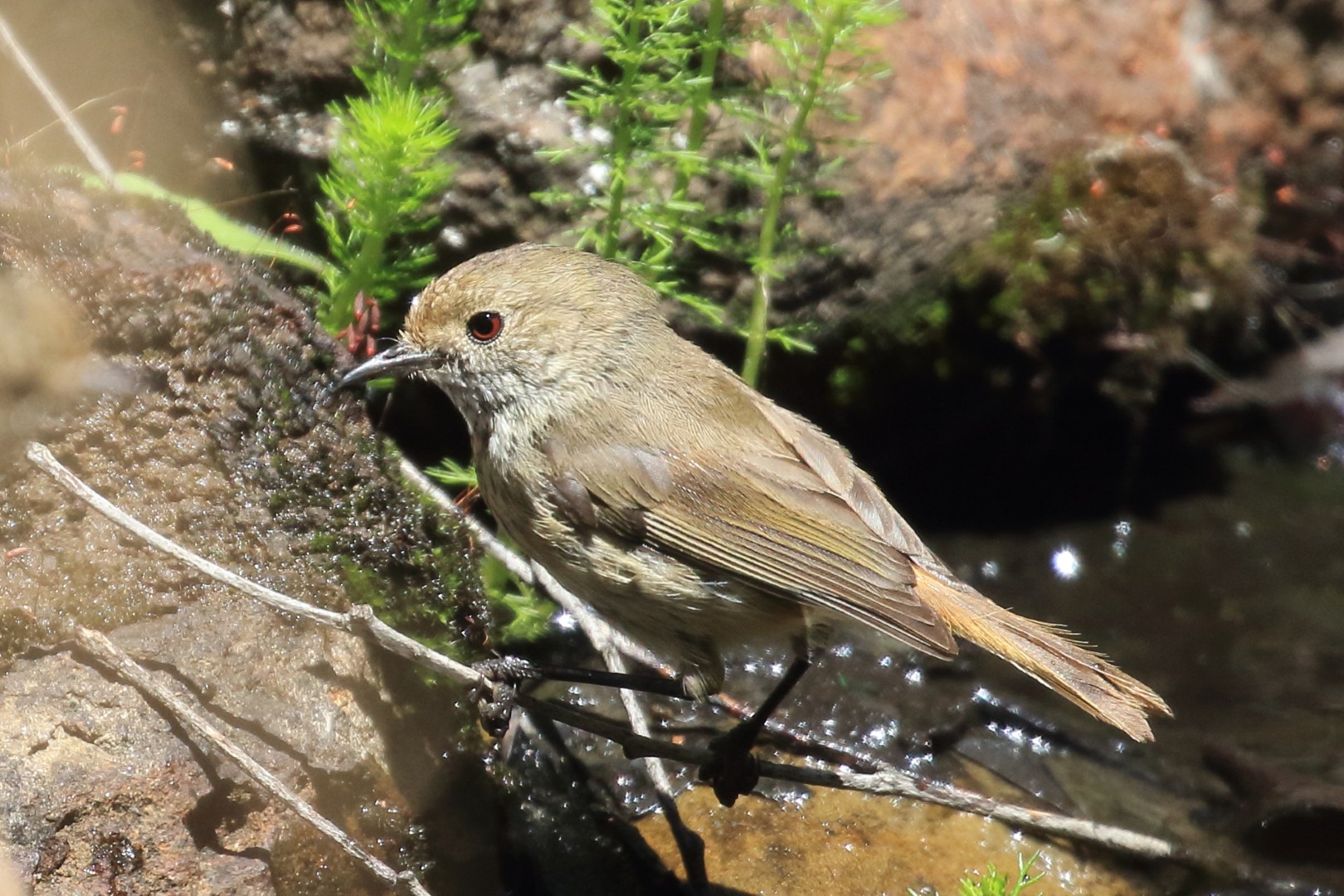
Confirmed in Woowookarung RP. Common and widespread throughout the Corridor. Small, active understorey bird with sharp calls.
BotM 29 Article ➜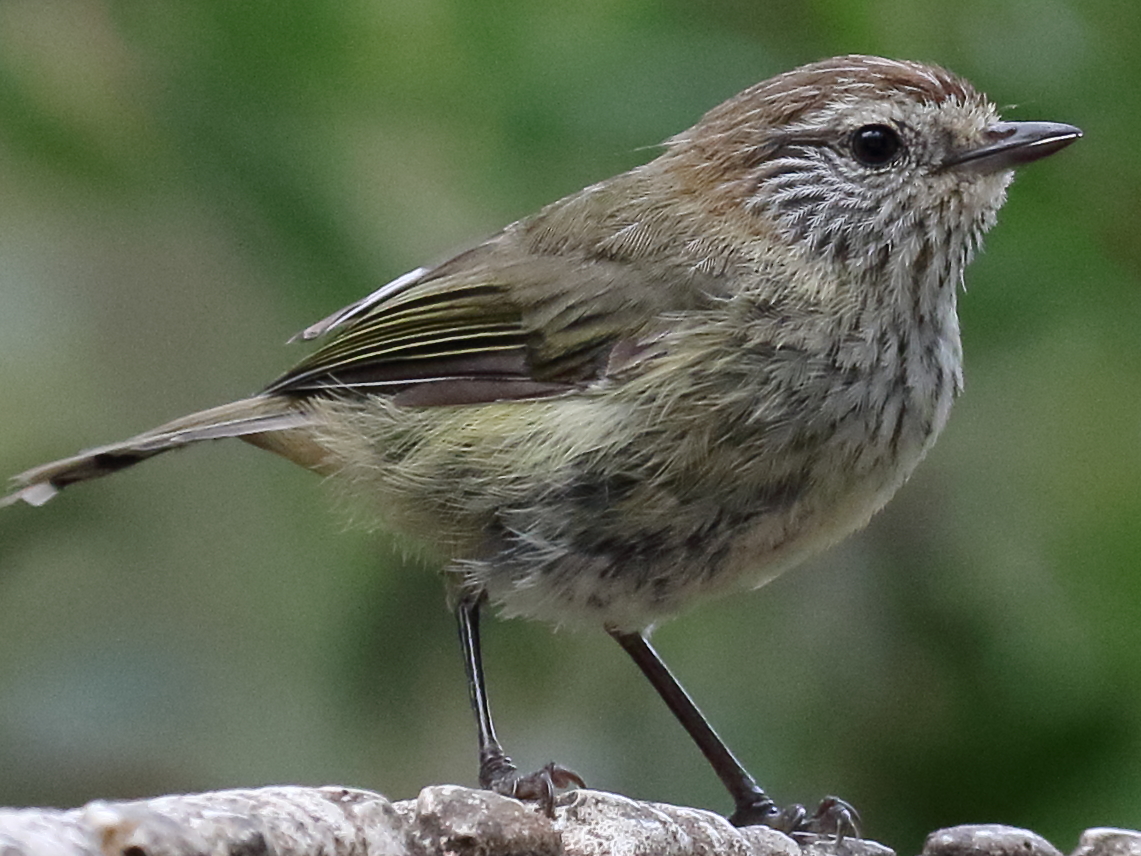
Confirmed in Woowookarung RP. Common and widespread throughout the Corridor. Forages high in the canopy and often joins mixed feeding flocks.
BotM coming soon
Confirmed at Woowookarung RP. Observed retreating into a hole in an earth embankment at 55 Recreation Rd. Tiny, jewel-like canopy forager.
BotM 2 Article ➜
Confirmed at Woowookarung RP. Surprisingly absent from eBird for the Park, but confirmed present by Rob. Distinctive “pick-it-up” call.
BotM 28 Article ➜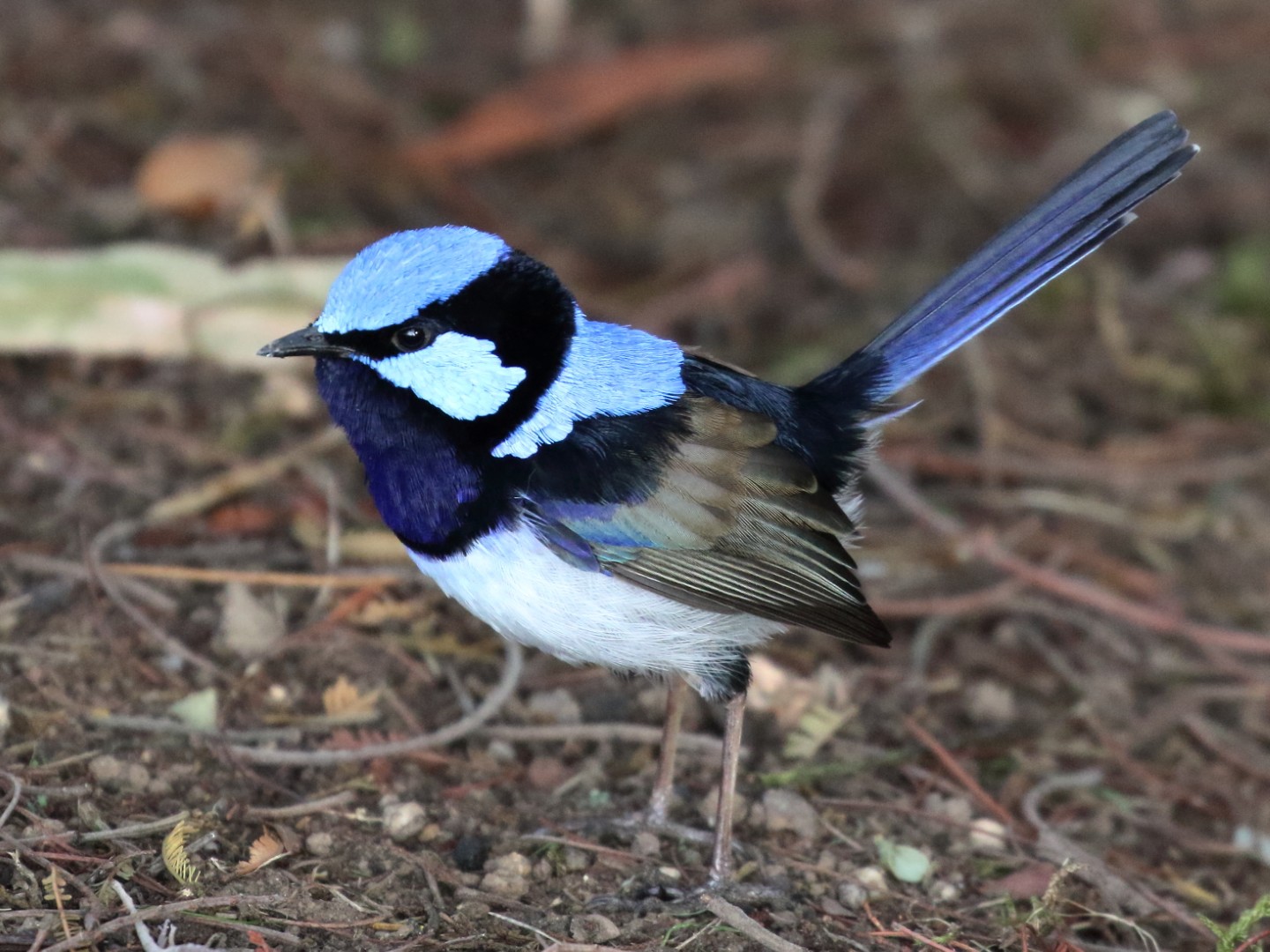
Confirmed in Woowookarung RP. Common and widespread throughout the Corridor. Males show bright blue breeding plumage; females are brown with a reddish eye-ring.
BotM 3 Article ➜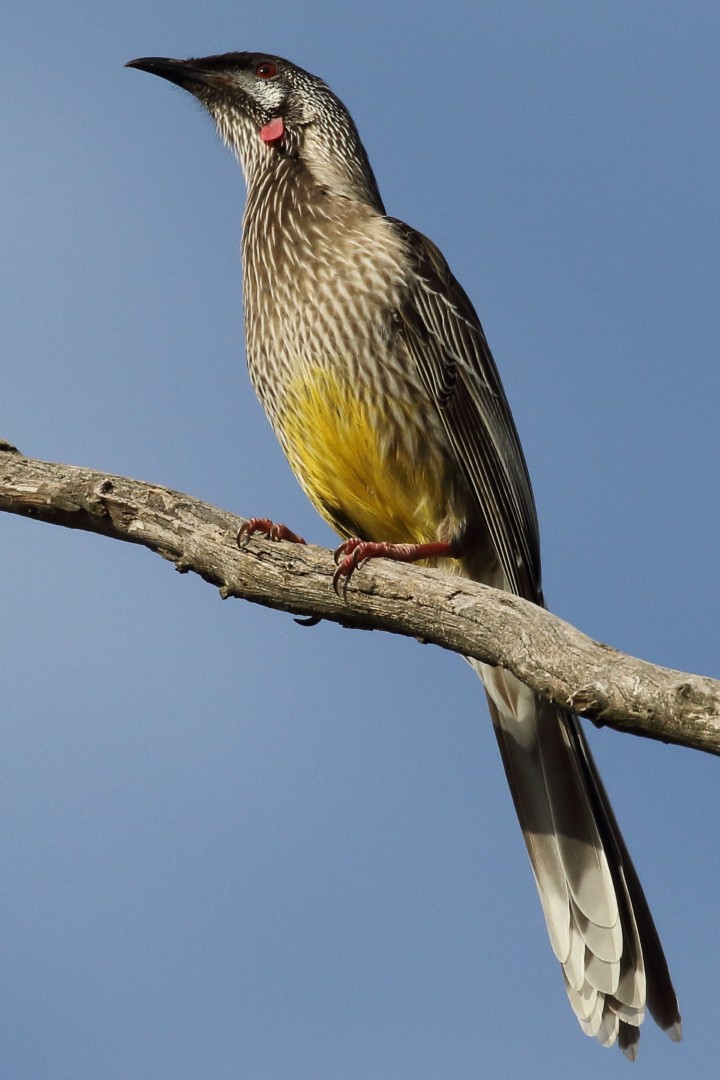
Confirmed in Woowookarung RP. Common and widespread throughout the Corridor. Large, noisy honeyeater with distinctive red wattles on the face.
BotM coming soon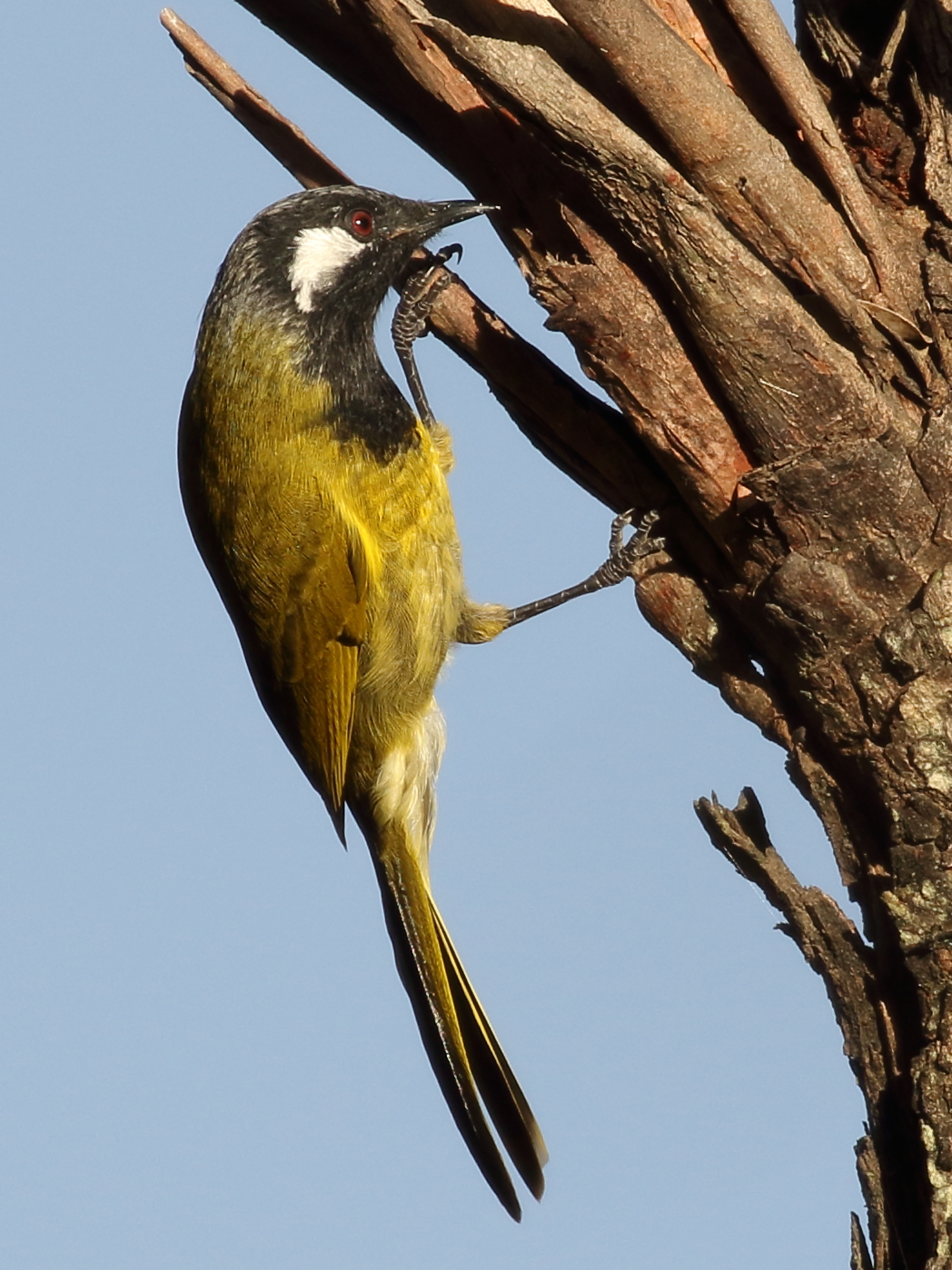
Confirmed in Woowookarung RP. Somewhat uncommon elsewhere in Ballarat but regular here. Also occurs at Union Jack Reserve and Mt Buninyong. Known for plucking fur from live wallabies and kangaroos for nest material.
BotM 5 Article ➜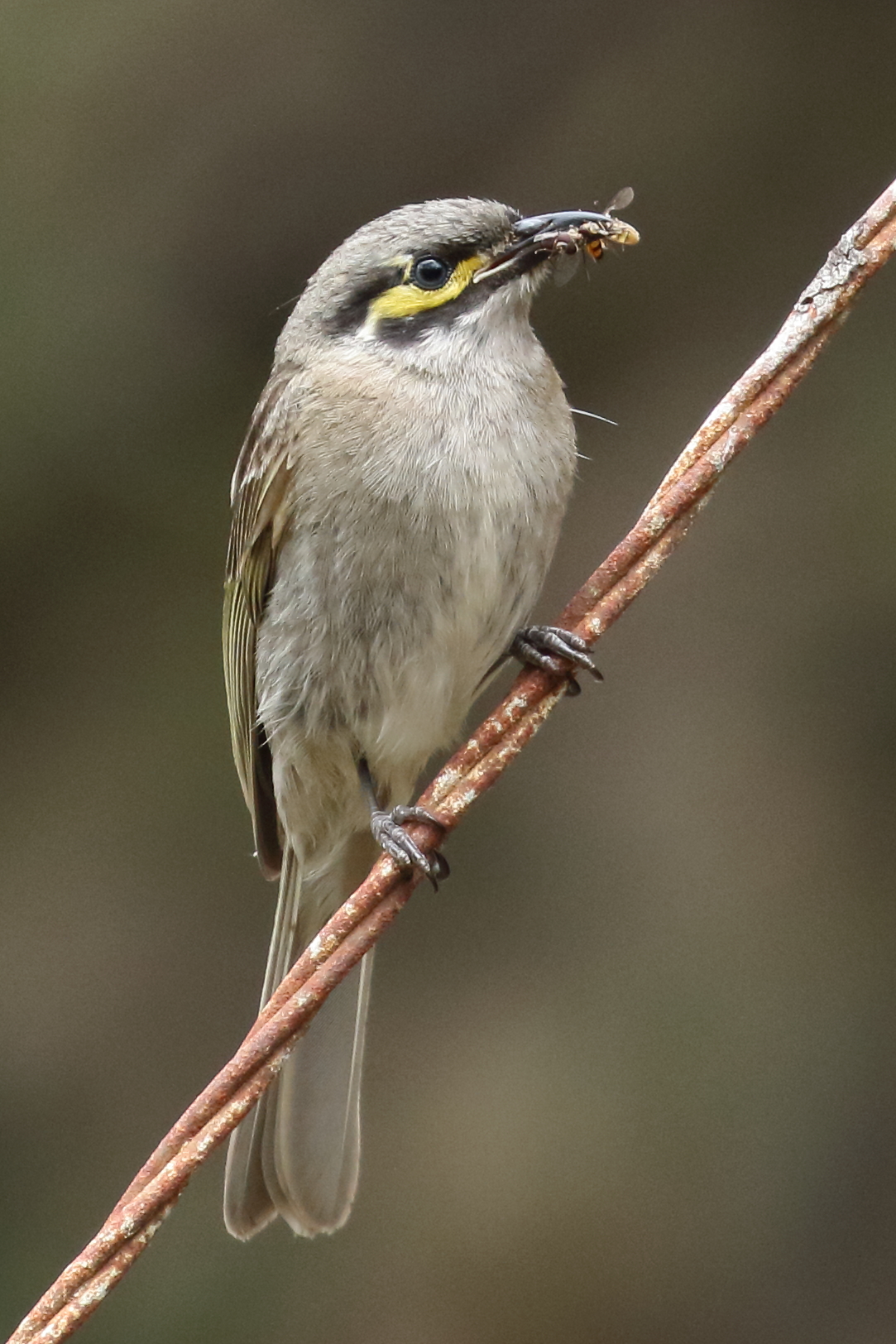
Confirmed in Woowookarung RP. Common and widespread throughout the Corridor. Part‑migratory: some remain year‑round while others arrive in spring–summer.
BotM 4 Article ➜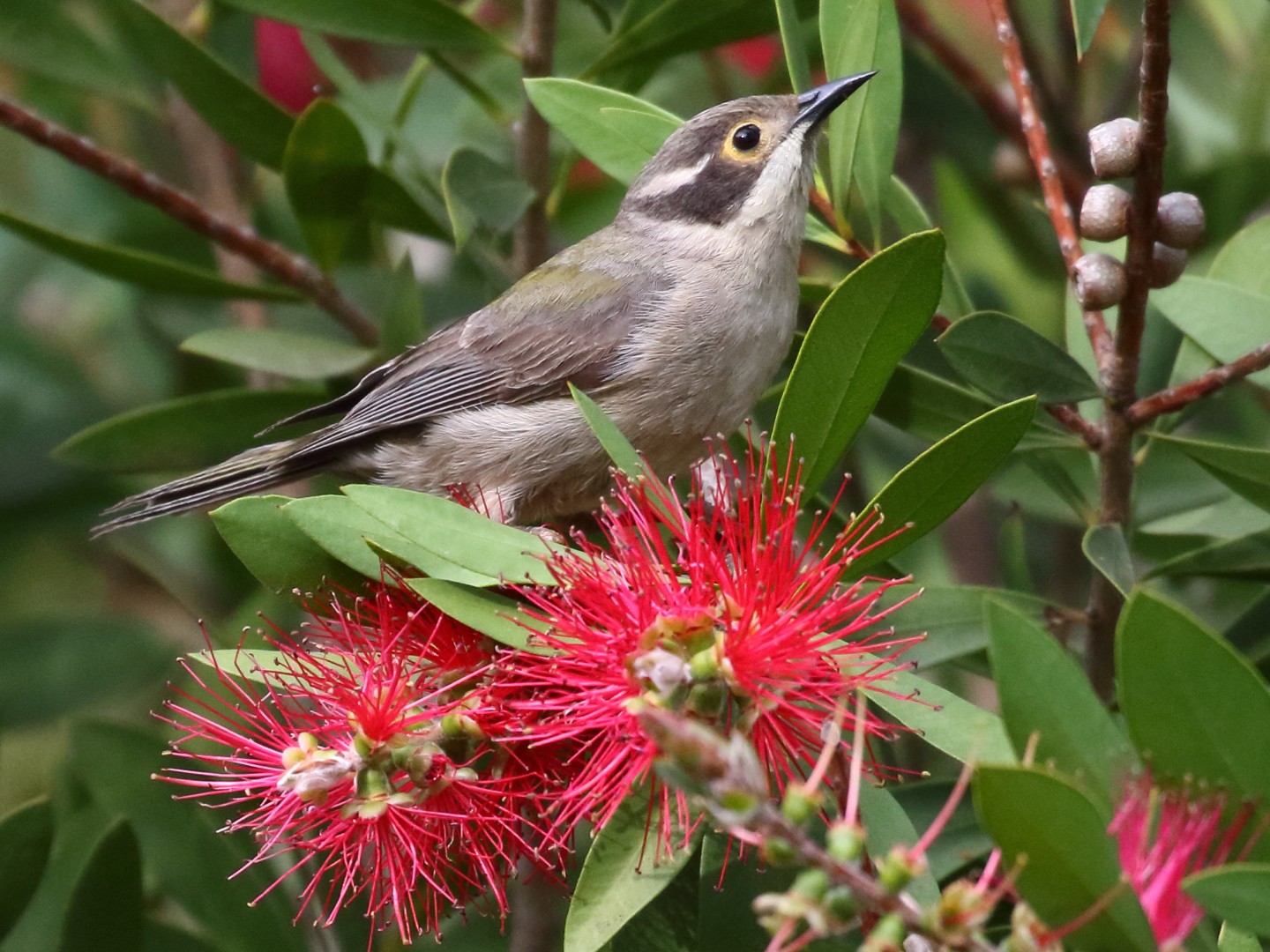
Confirmed at Woowookarung RP. Regularly sighted by Rob, though elusive for Joel. Among the smallest honeyeaters. Photographed 3/3/20 in Mt Clear.
BotM coming soon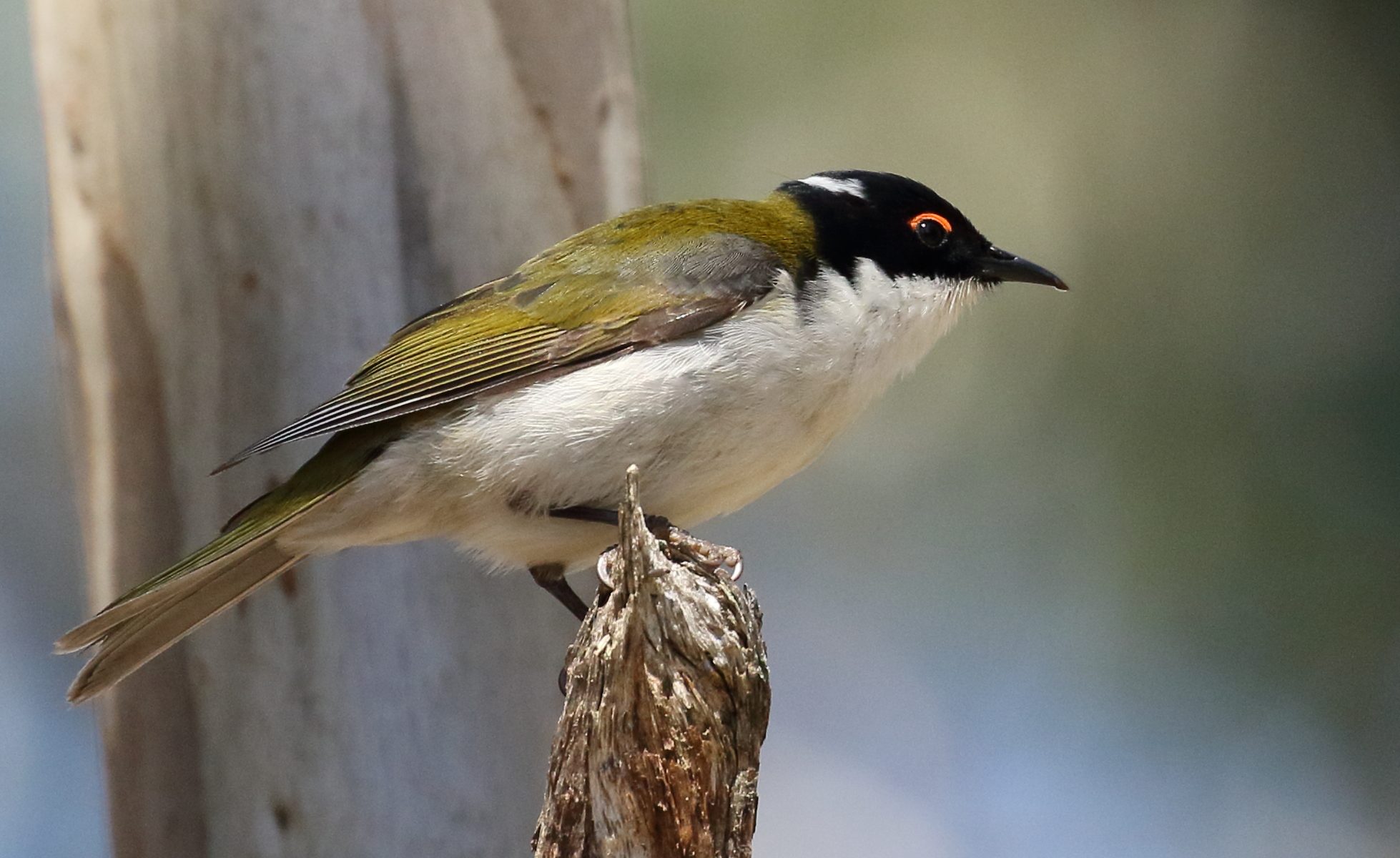
Confirmed in Woowookarung RP. Common and widespread throughout the Corridor. Part‑migratory, often intermingling with Yellow‑faced Honeyeaters. Seen 16/9/20 behind the rifle range.
BotM 12 Article ➜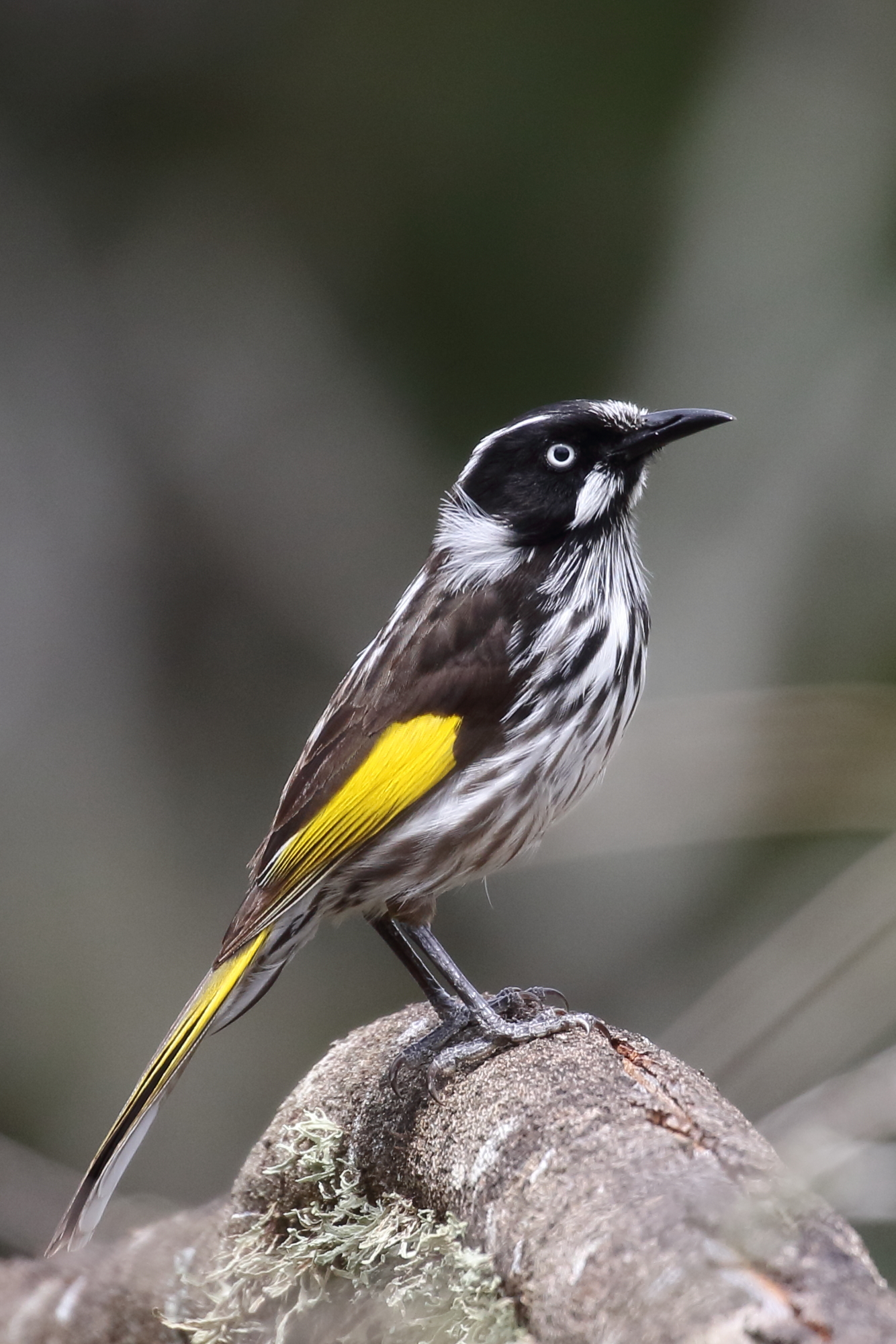
Confirmed in Woowookarung RP. Common and widespread throughout the Corridor. Appears to be increasing in abundance locally.
BotM 31 Article ➜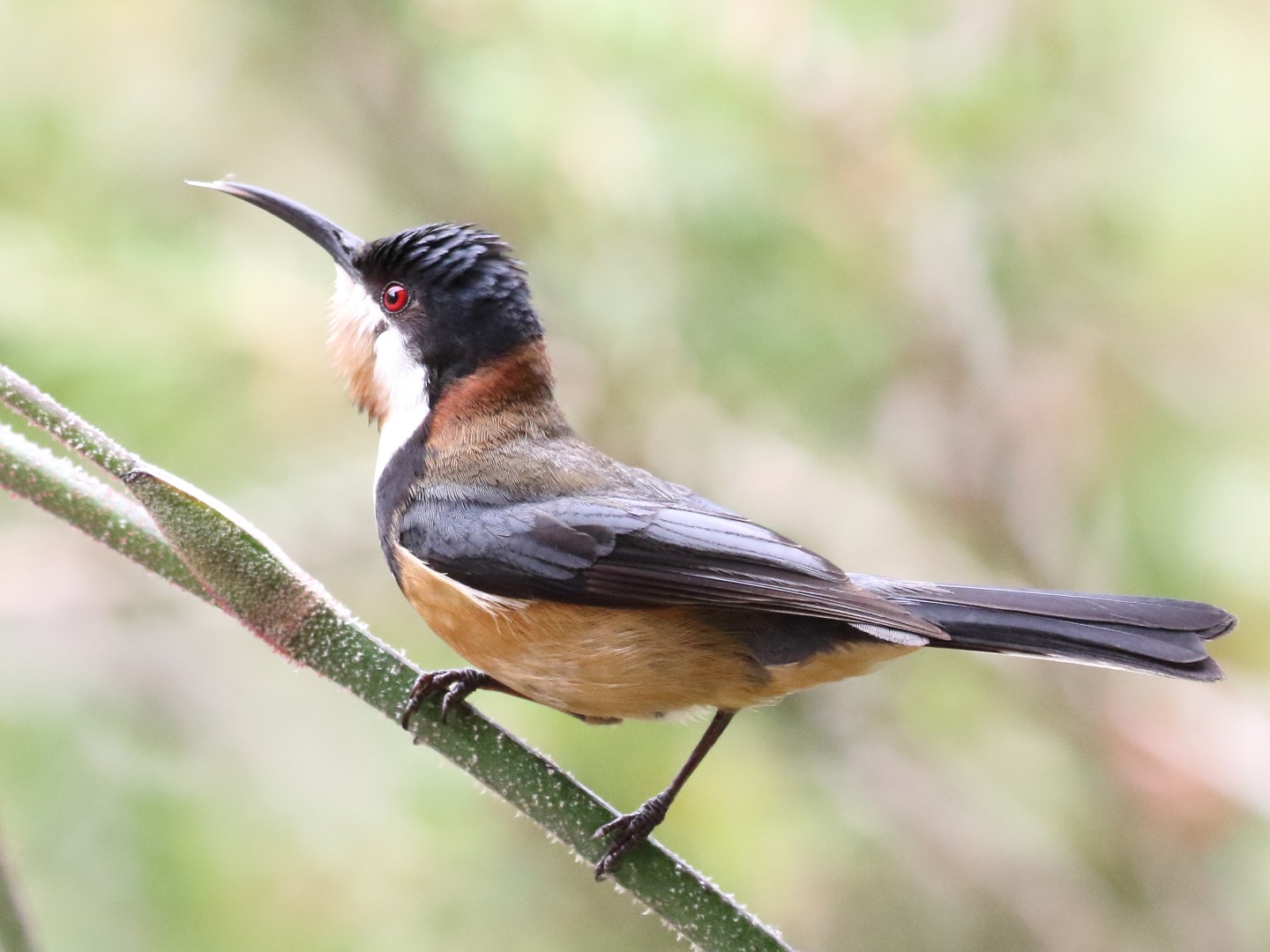
Confirmed in Woowookarung RP. Common and widespread throughout the Corridor. Associated with flowering shrubs and also eucalypt forests when gums are in bloom. Daily visitor to gardens near the Park.
BotM 41 Article ➜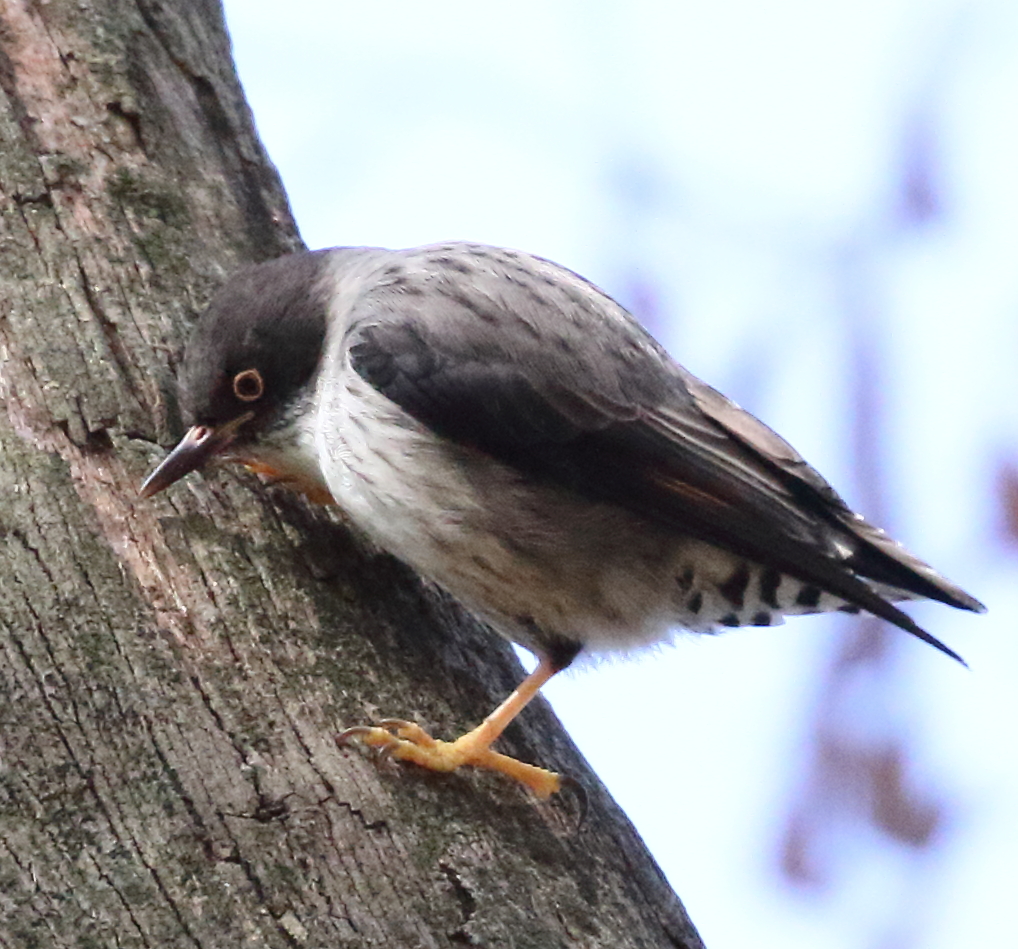
Confirmed in Woowookarung RP. Similar to the White‑throated Treecreeper, but moves downward along trunks rather than upward.
BotM 34 Article ➜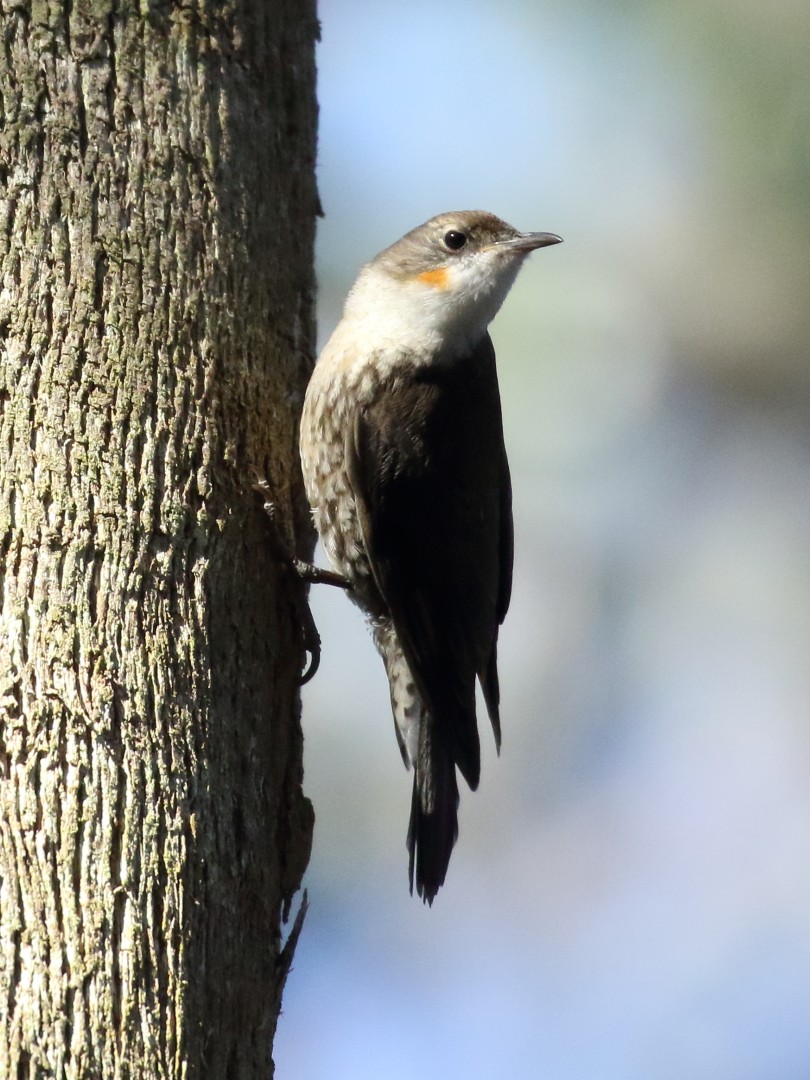
Confirmed in Woowookarung RP and other eucalypt reserves. Requires continuous tree cover and avoids large gaps between trees.
BotM 12 Article ➜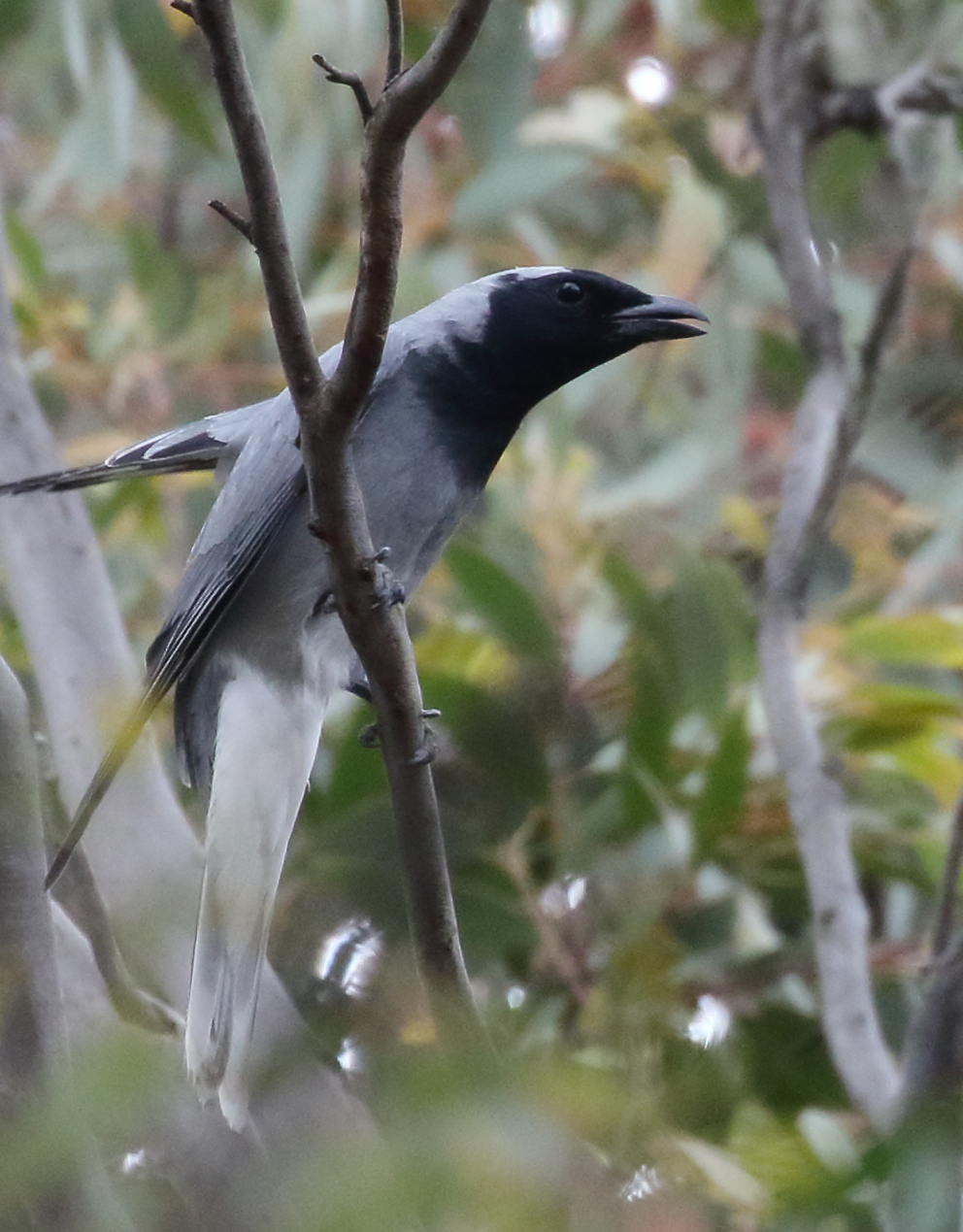
Confirmed at Woowookarung RP. Observed flying over the Scenic Lookout by the FoCC committee. Distinctive voice. Some or all of the local population may migrate to northern Australia and PNG over autumn–winter, returning in spring–summer to breed.
BotM 24 Article ➜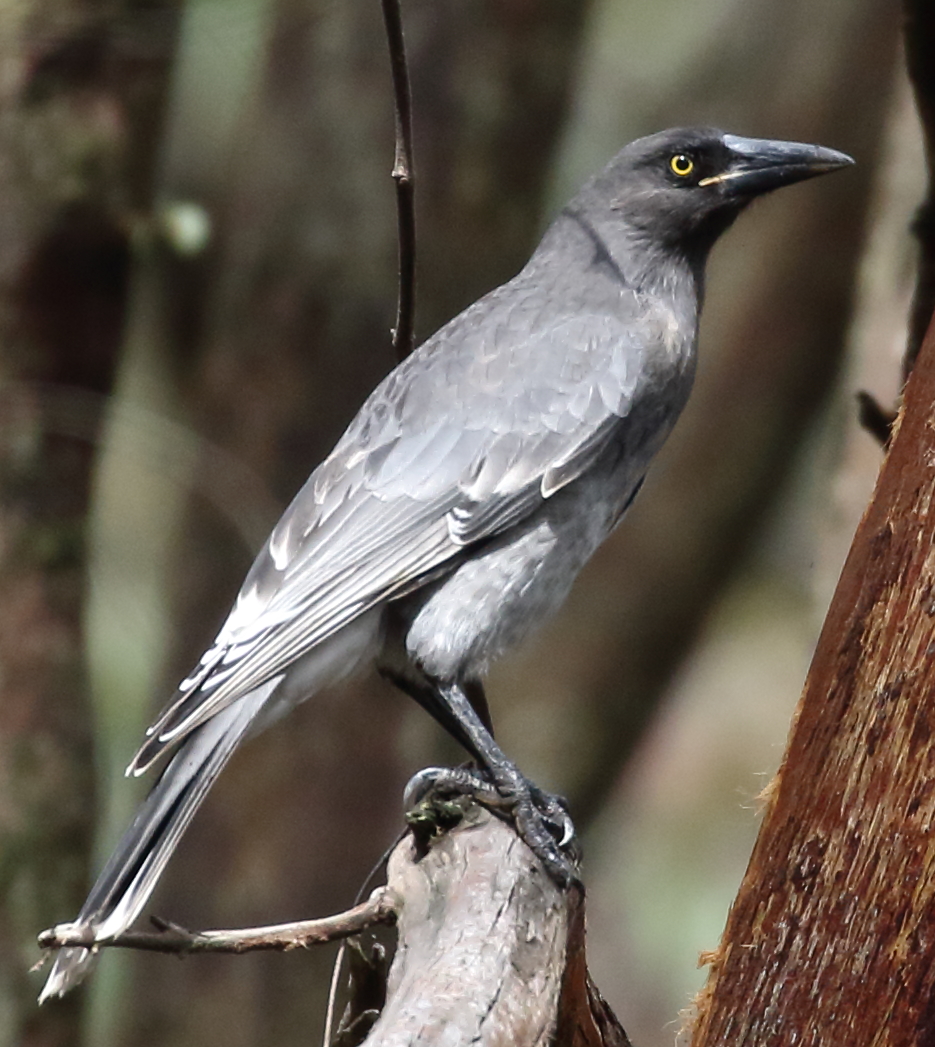
Confirmed in Woowookarung RP. Common and widespread throughout the Corridor. Often heard giving loud, ringing calls.
BotM 40 Article ➜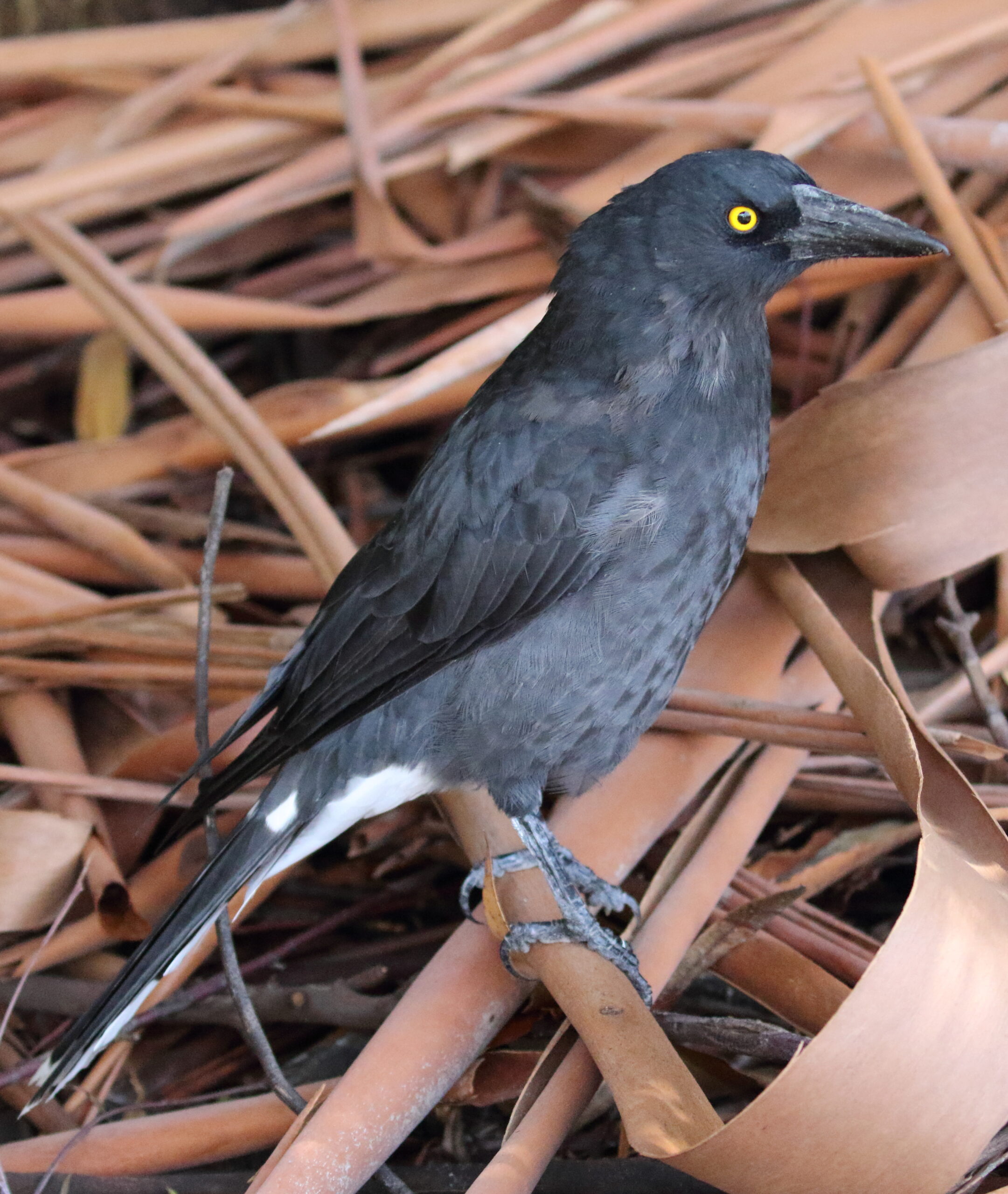
Likely in Woowookarung RP. Common and widespread throughout the Corridor. Surprisingly no confirmed Woowookarung records yet, but abundant in Buninyong and southern Ballarat. Call resembles its name: “currawong-currawong-curr”.
BotM coming soon
Confirmed in Woowookarung RP. Common and widespread throughout the Corridor. Older eBird record, but recently photographed by Rob and heard by Joel.
BotM 7 Article ➜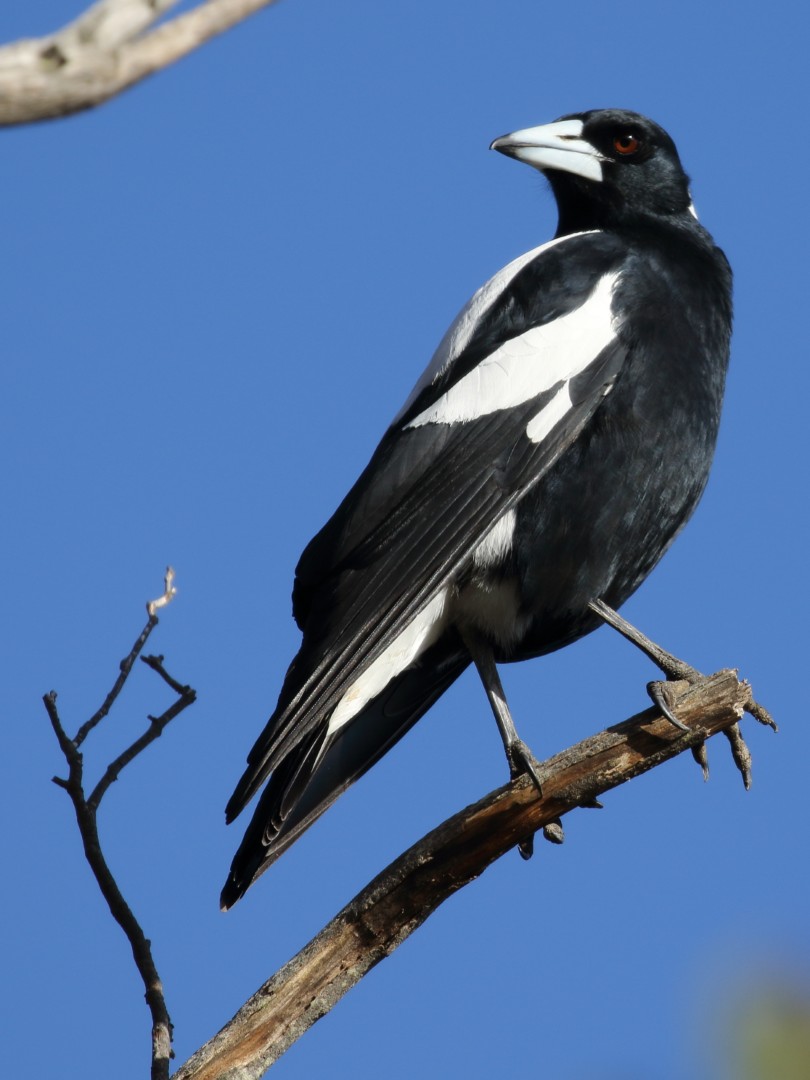
Confirmed in Woowookarung RP. Common and widespread throughout the Corridor. Highly territorial and well-known for its warbling song.
BotM 16 Article ➜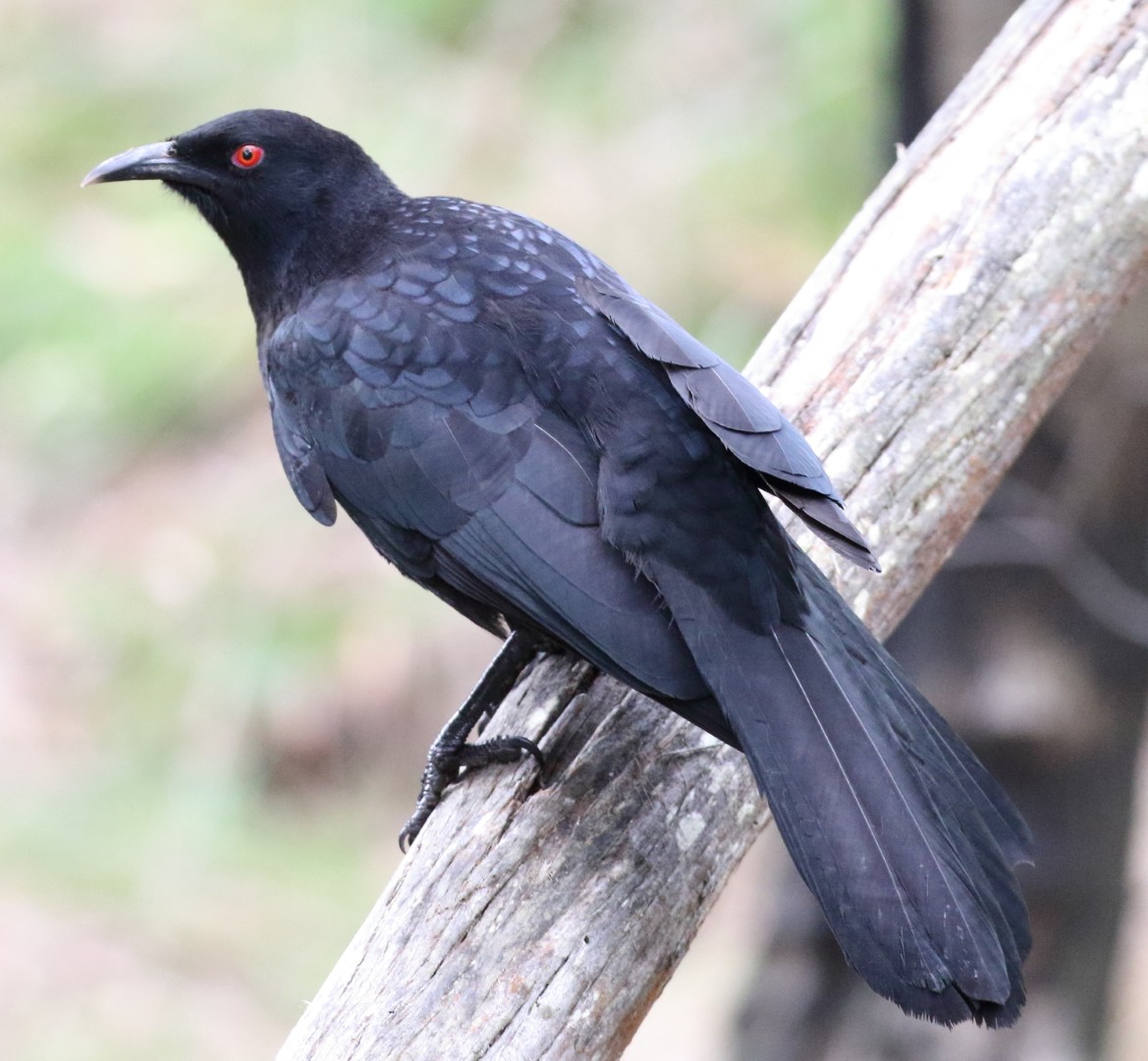
Confirmed at Woowookarung RP. Also occurs at Union Jack Reserve and Buninyong Bushland. Gregarious ground‑foraging family groups. White wing patches often hidden when wings are folded. Red eye and curved bill distinguish it from Little Raven.
BotM 11 Article ➜
Little Raven
Confirmed in Woowookarung RP. Common and widespread throughout the Corridor. Often in noisy flocks; shorter “ah-ah-ah” call distinguishes it from Australian Raven.
BotM 32 Article ➜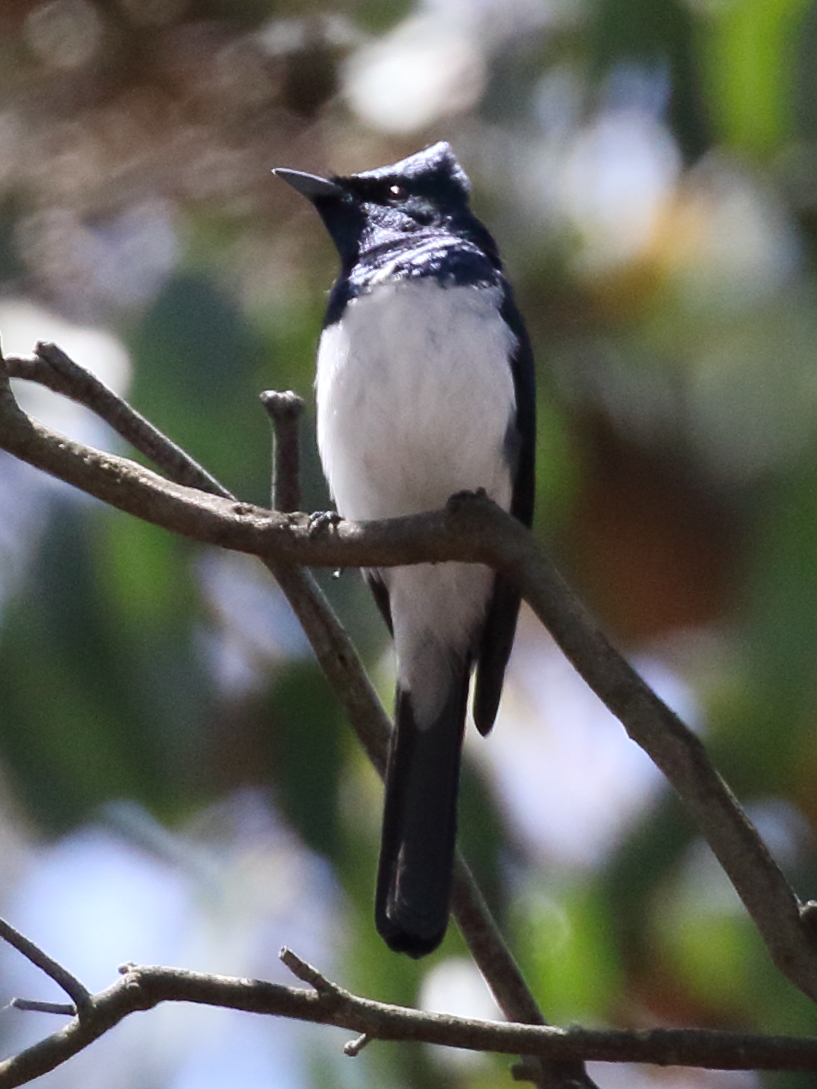
Confirmed in Woowookarung RP (2020). Summer breeding migrant observed north and south of the Park, including Union Jack Reserve. Species in decline, favouring intact wet forests. Males glossy blue‑black; females with orange throat.
BotM 27 Article ➜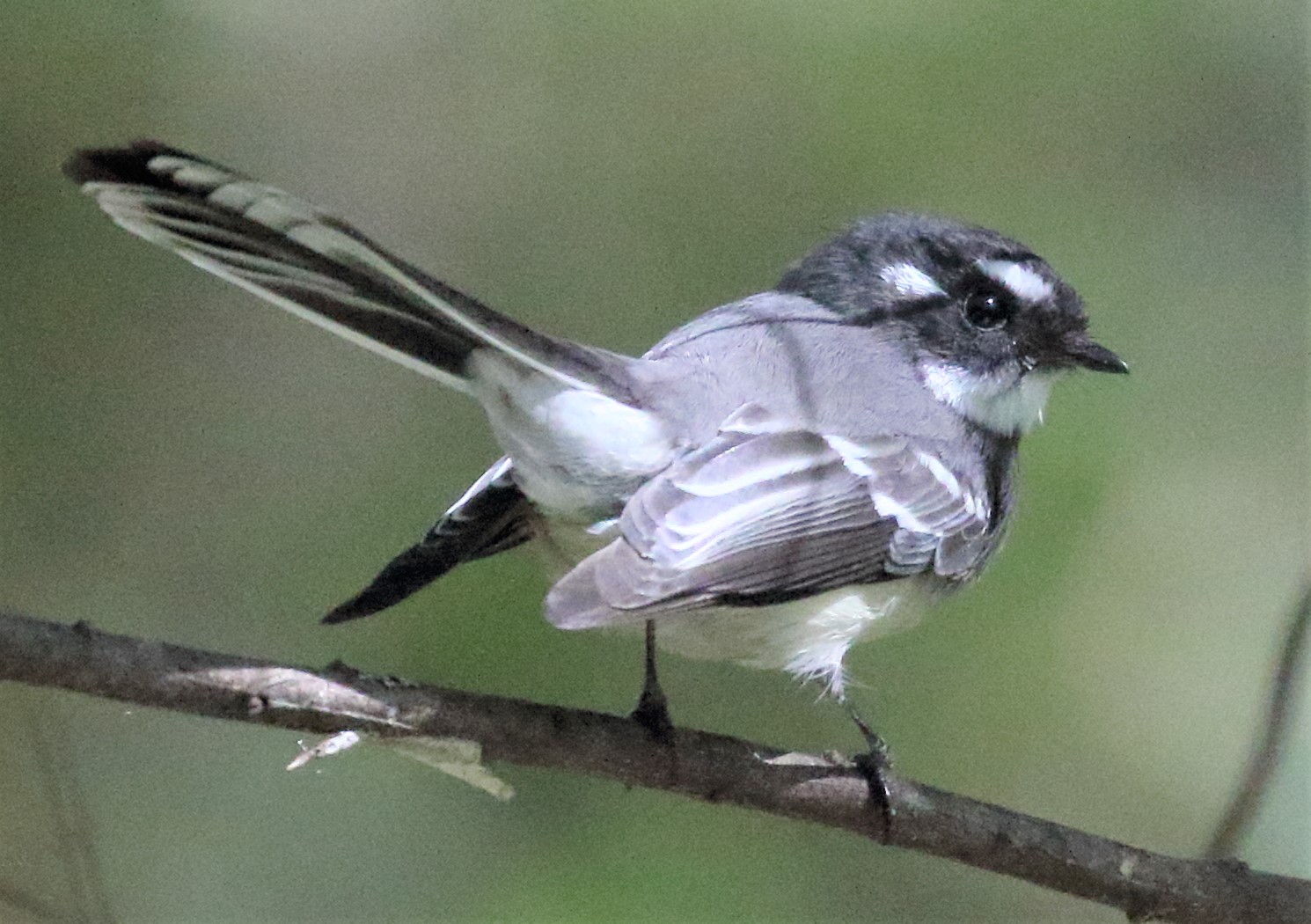
Grey Fantail
Confirmed in Woowookarung RP. Also abundant at Union Jack Reserve and Buninyong Bushland Reserve. Inquisitive, flittering birds that often approach observers. Many migrate north over winter.
BotM 17 Article ➜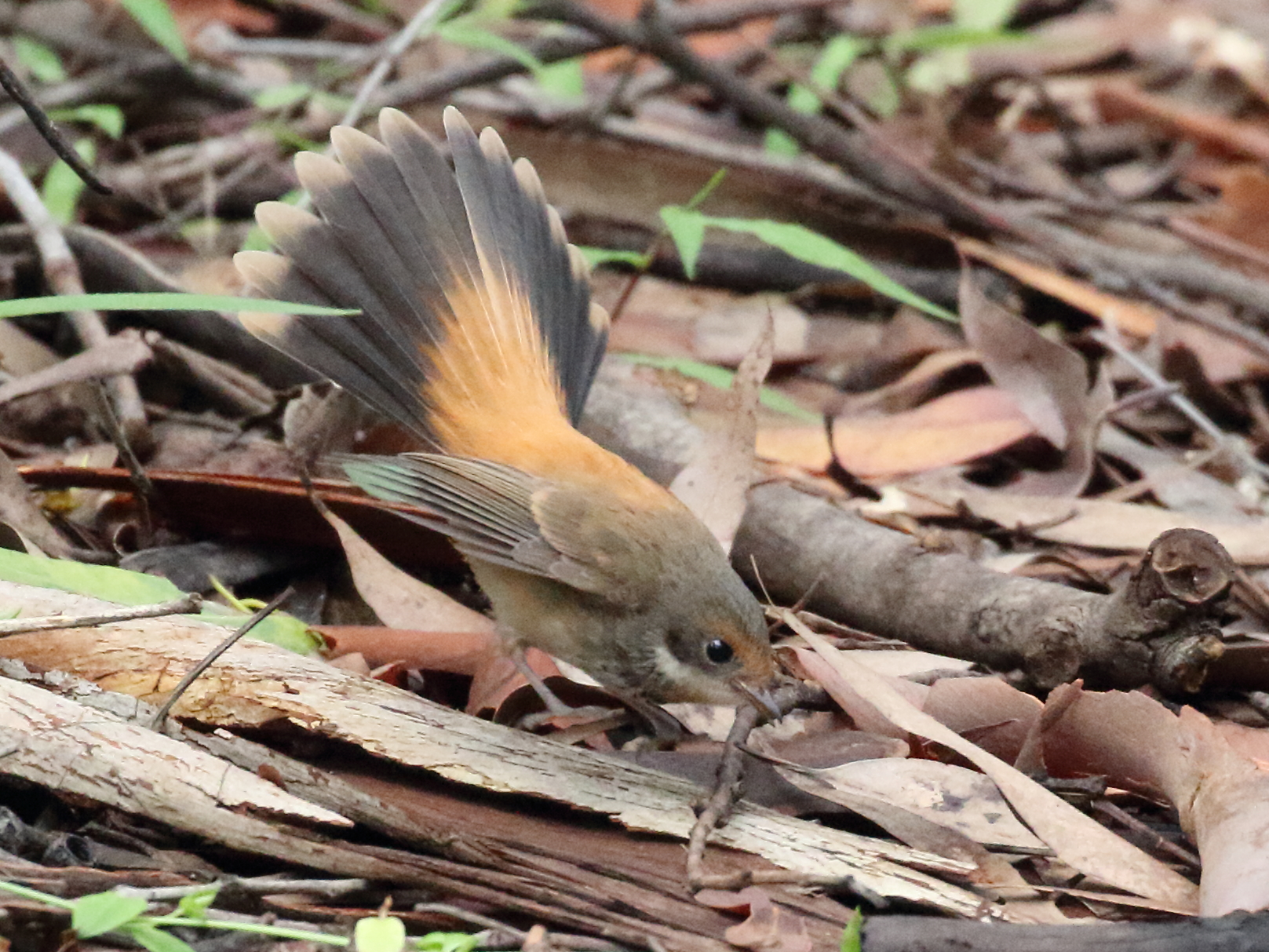
Confirmed in Buninyong. Prefers shadowy understorey of rainforests, wet/moist eucalypt forests, and fern gullies. Beautiful rufous tail and rump.
BotM 39 Article ➜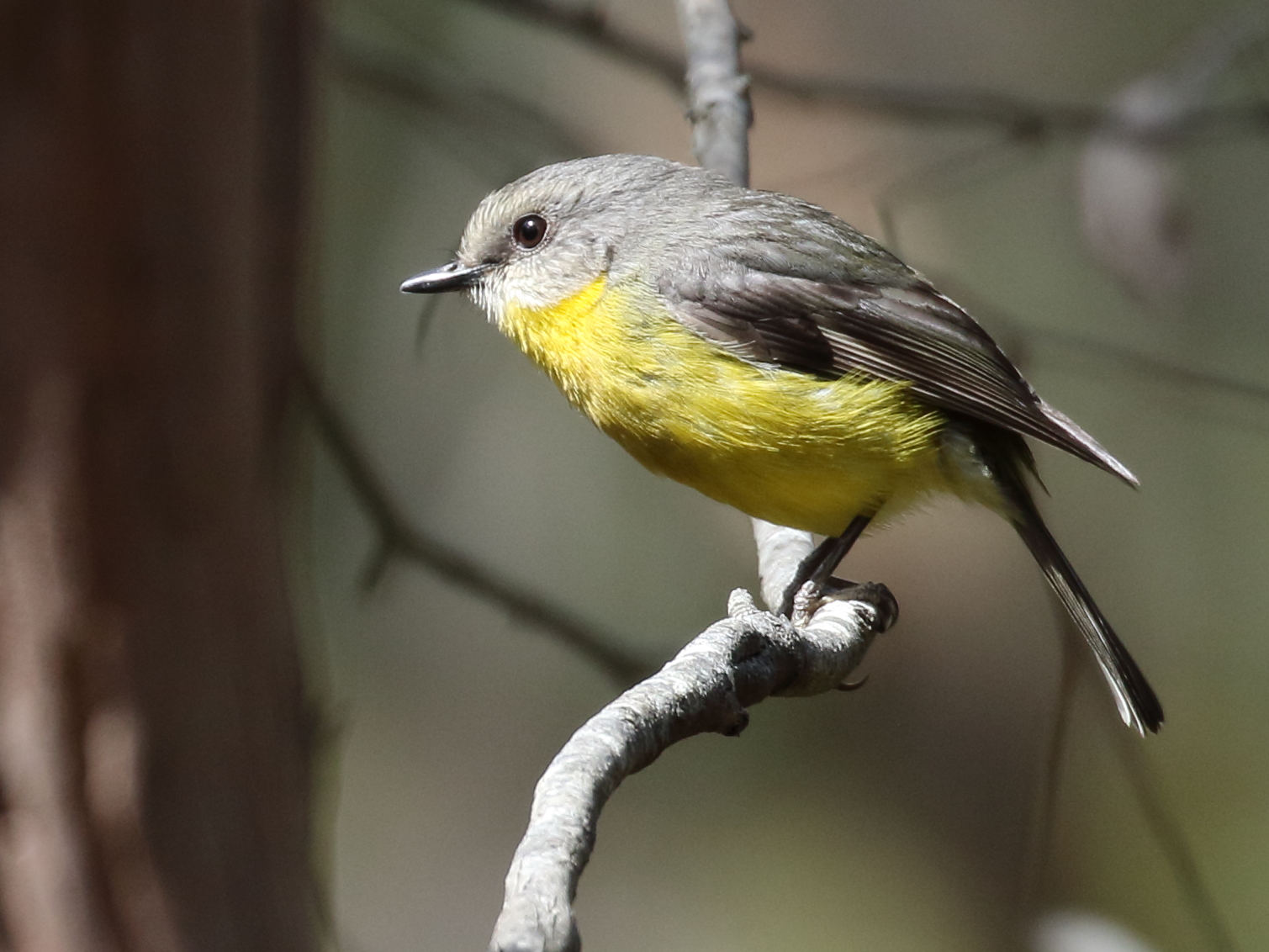
Confirmed in Woowookarung RP and other eucalypt forest reserves in the Corridor. Thriving throughout Ballarat more than other robin species. Males and females visually indistinguishable.
BotM 9 Article ➜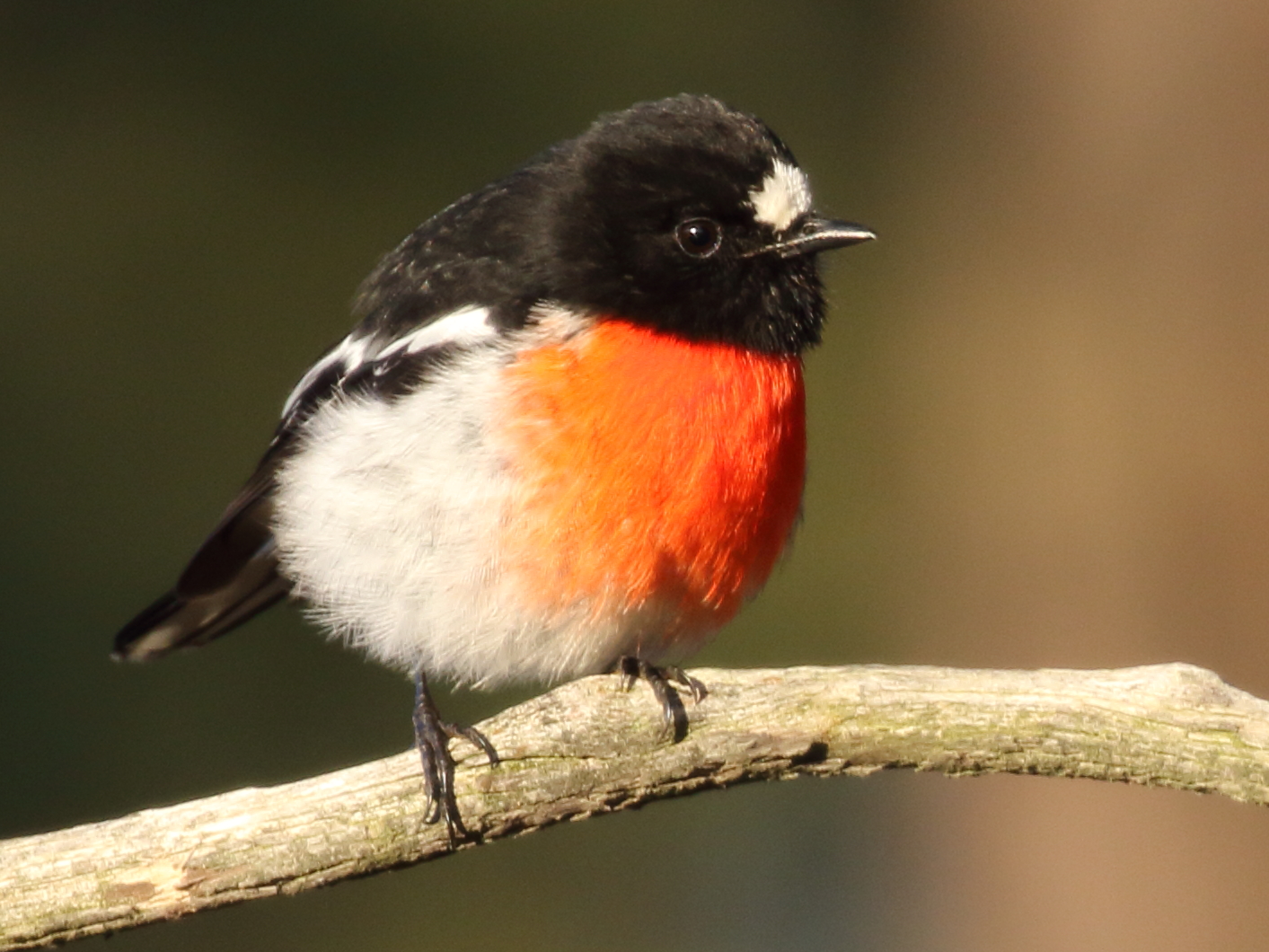
Confirmed in Woowookarung RP. In decline across Ballarat except at Union Jack Reserve, Mt Buninyong, and occasionally Buninyong Bushland Reserve. Winter visitor to Rob’s backyard.
BotM 20 Article ➜
Flame Robin
Confirmed in the Corridor. Sighted at Mt Buninyong in 2025. Males show brilliant flame‑red breast extending to the chin.
BotM 45 Article ➜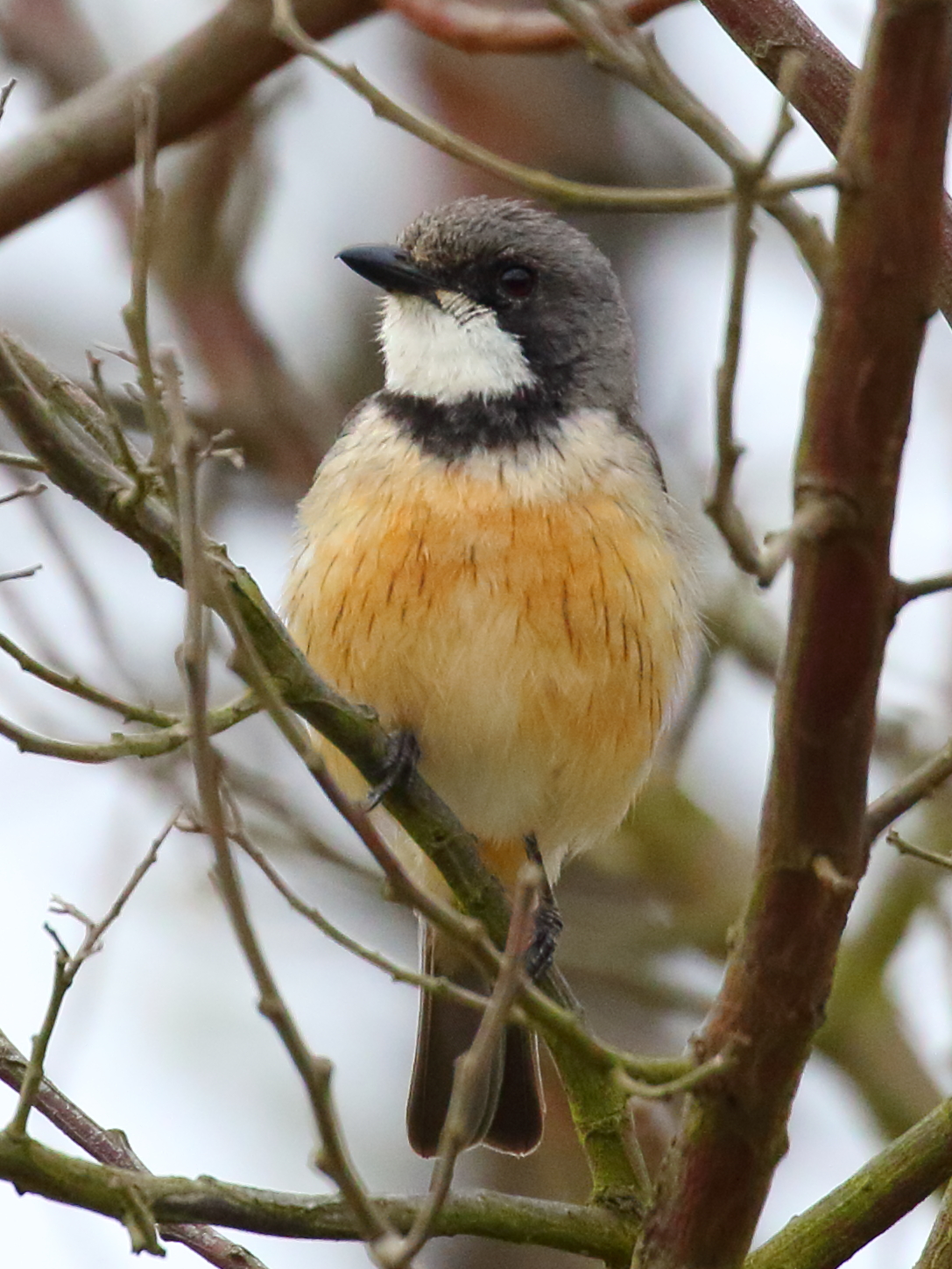
Confirmed in Woowookarung RP. Spring–summer breeding migrant that winters in northern Australia and PNG. Immature males show streaked breasts; adult males have richer ginger tones.
BotM 47 Article ➜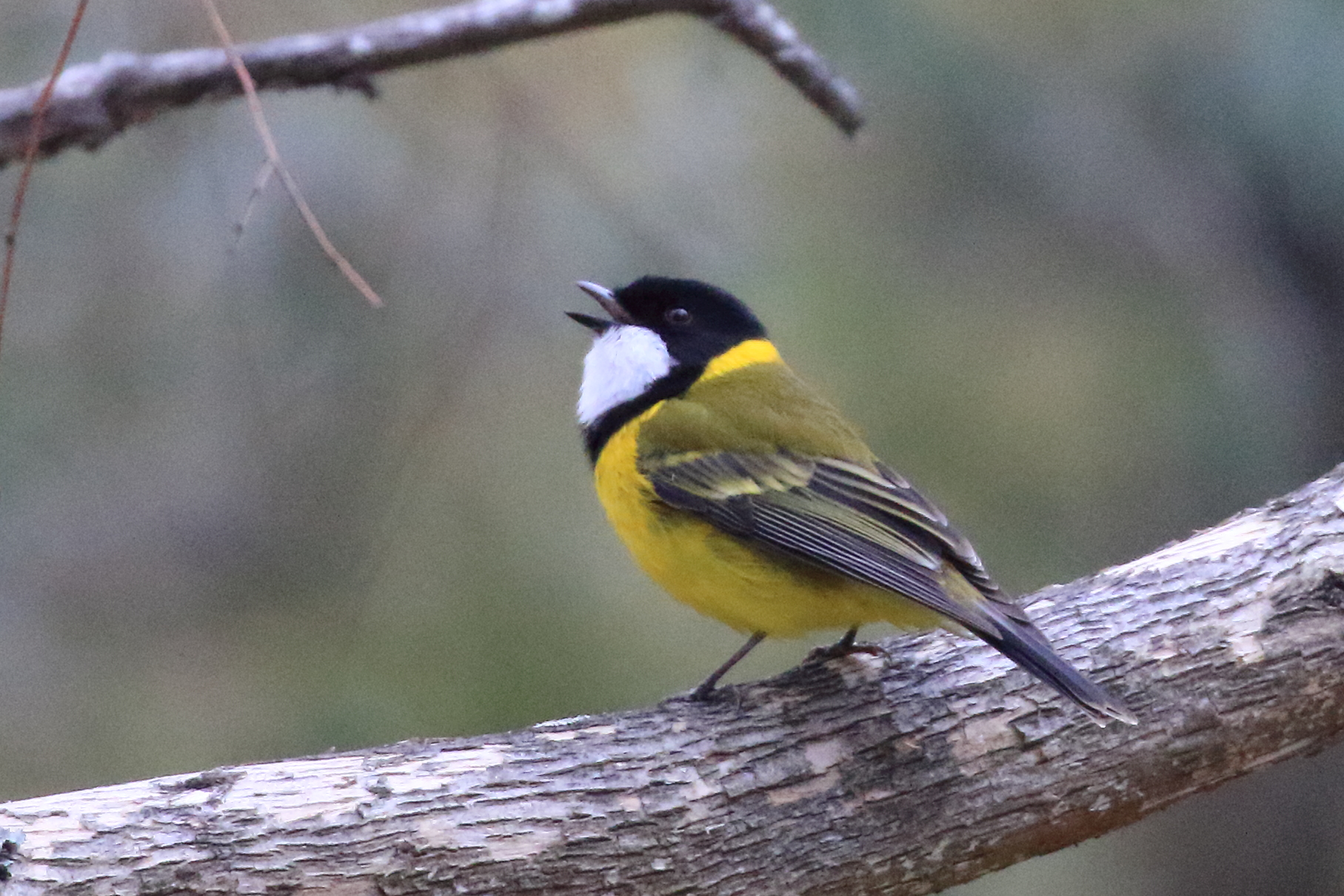
Confirmed in Woowookarung RP. Locally migratory between highland and lowland forests. Breeds in spring–summer. Male photographed in Mount Clear in 2019; female in April 2020.
BotM 14 Article ➜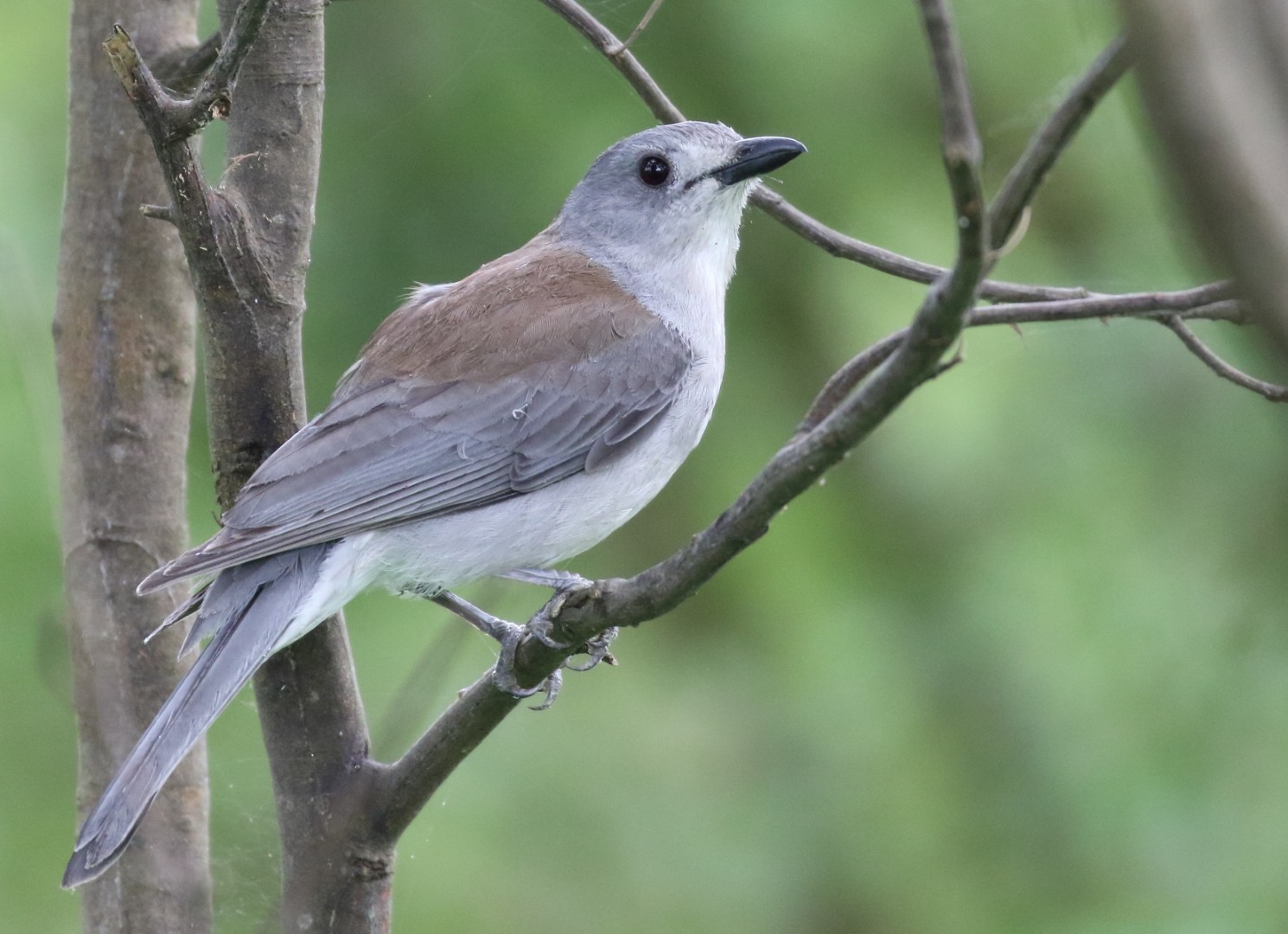
Confirmed in Woowookarung RP. Common and widespread throughout the Corridor. Known for its rich, melodious song.
BotM coming soon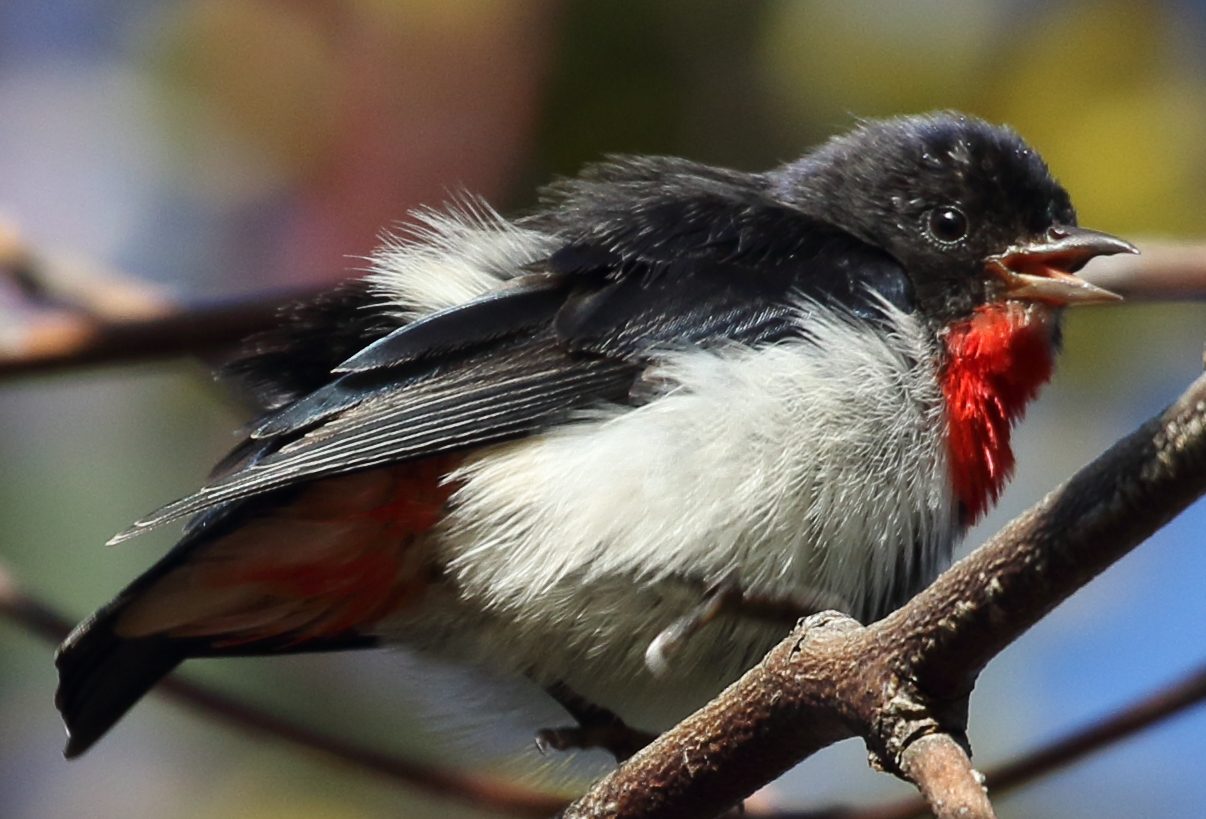
Confirmed in Woowookarung RP. Also seen at Fed Uni. Diet specialised to mistletoe fruit, forming a mutualistic relationship: birds rely on mistletoe for food, and mistletoe relies on the birds to disperse its seeds.
BotM coming soon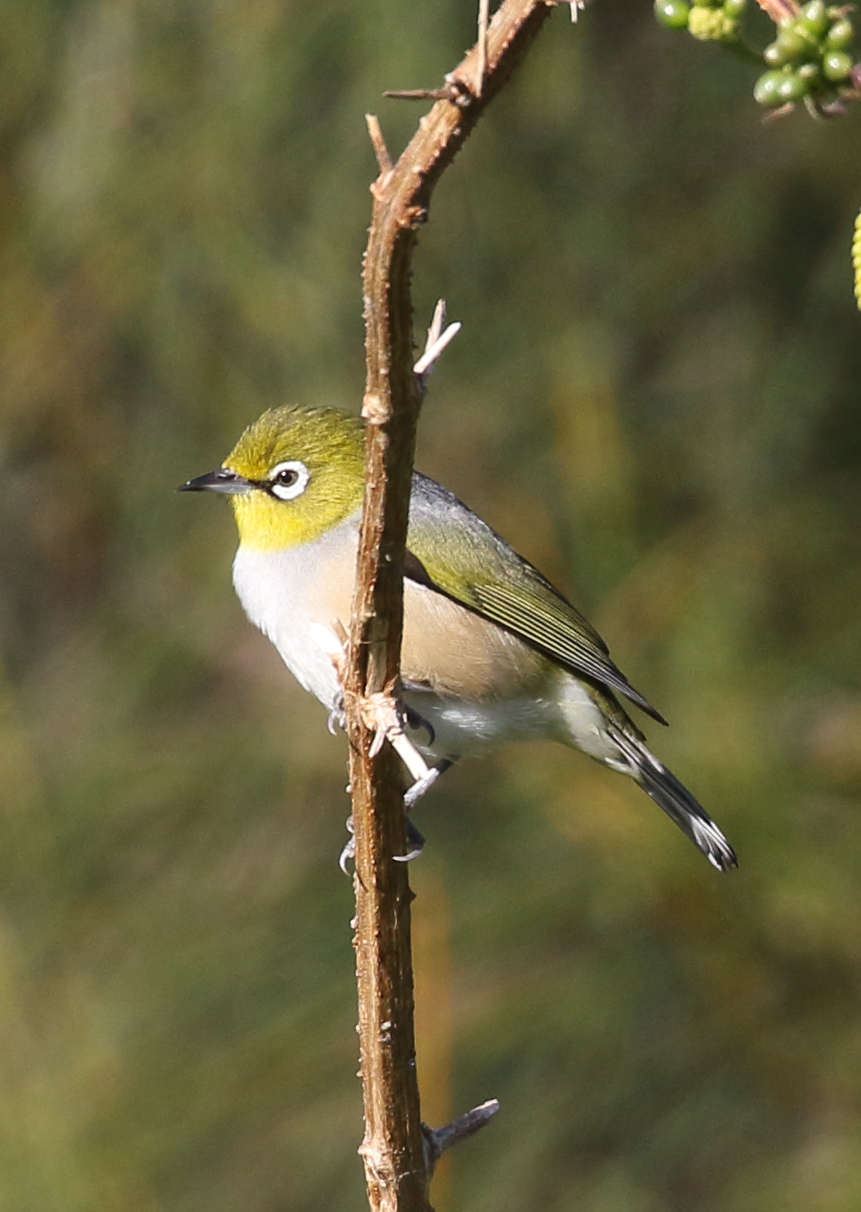
Silvereye
Confirmed at Woowookarung RP and Buninyong. Small, active, and often in mixed flocks. Several races may occur locally across the year.
BotM 18 Article ➜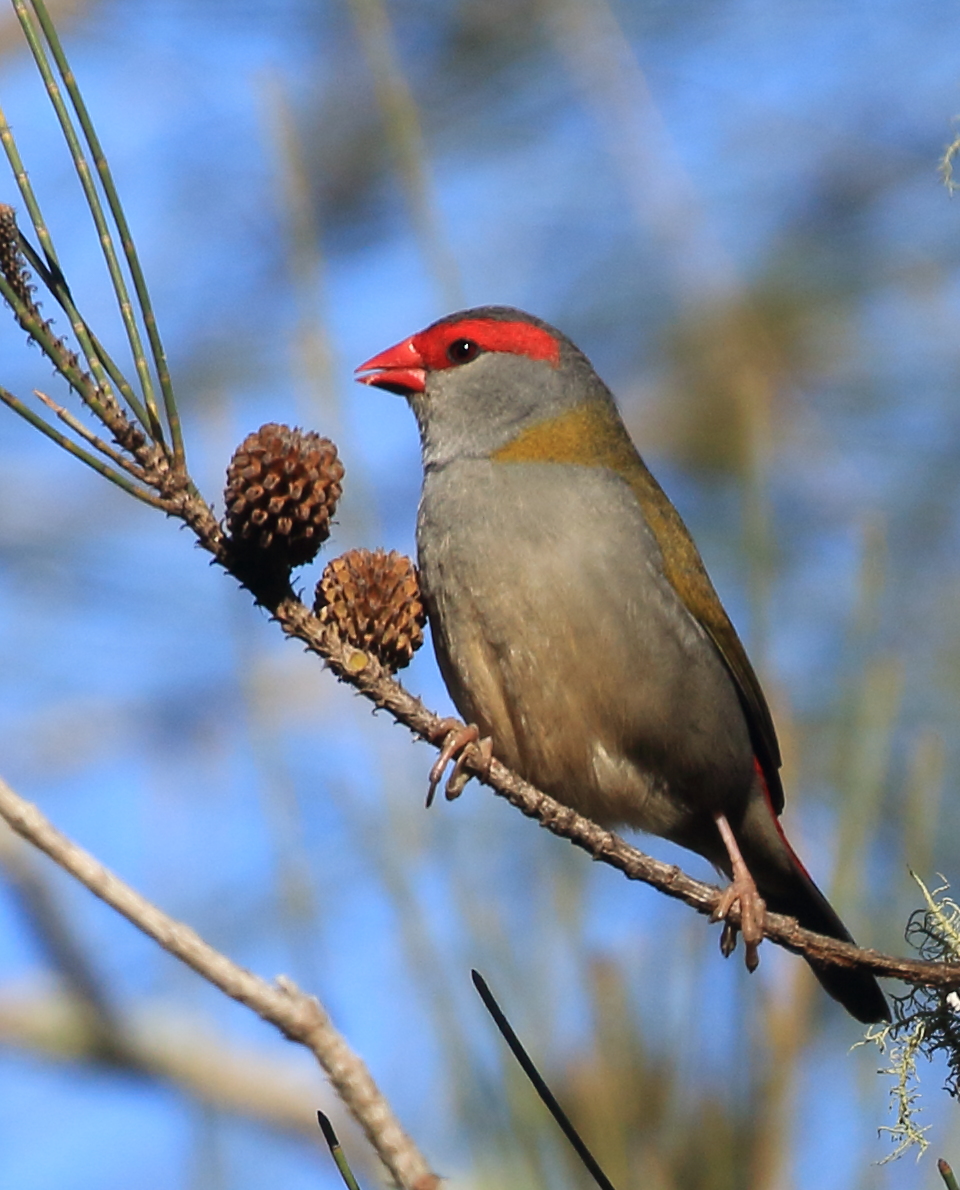
Confirmed at Woowookarung RP. Photographed recently by Rob. Associated with understorey and often streamside. Only native finch in the Corridor (Diamond Firetail occurs further northwest).
BotM 21 Article ➜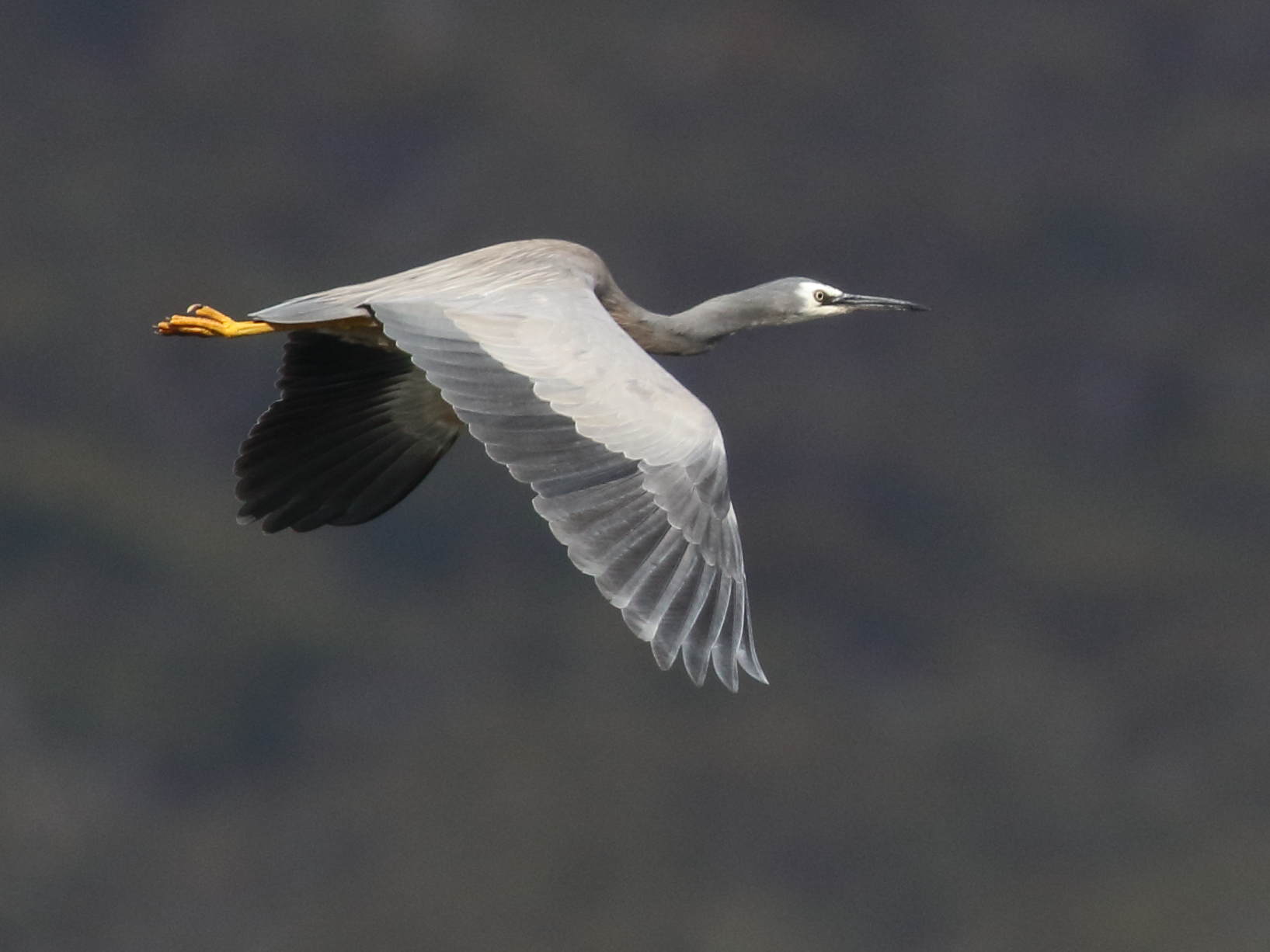
Confirmed at Woowookarung RP. Common and widespread throughout the Corridor. Frequent visitor to waterholes, garden ponds, and flooded roadside drains around the Park.
BotM coming soon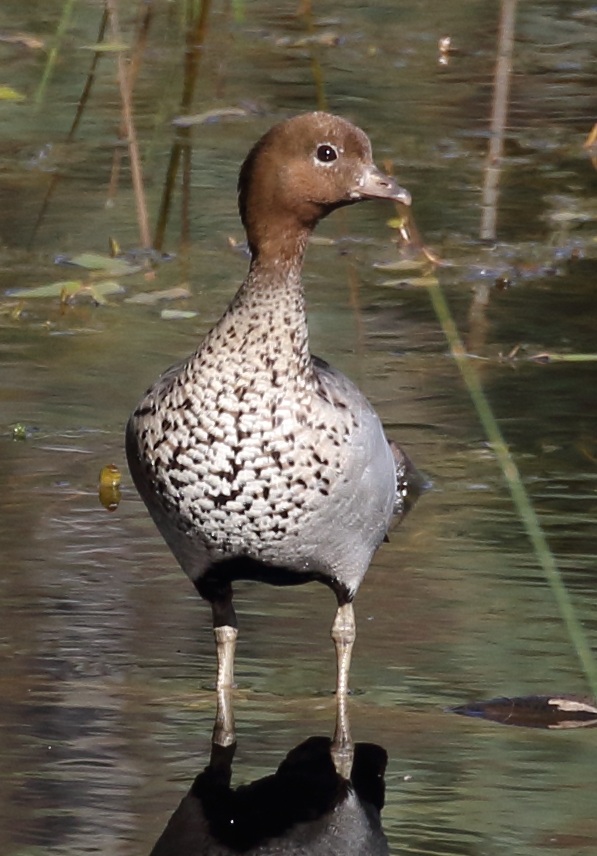
Confirmed in Woowookarung RP. Common and widespread throughout the Corridor. Seen in wetlands edging the Park. As a hollow‑nester and lawn grazer, often found surprisingly far from water.
BotM 26 Article ➜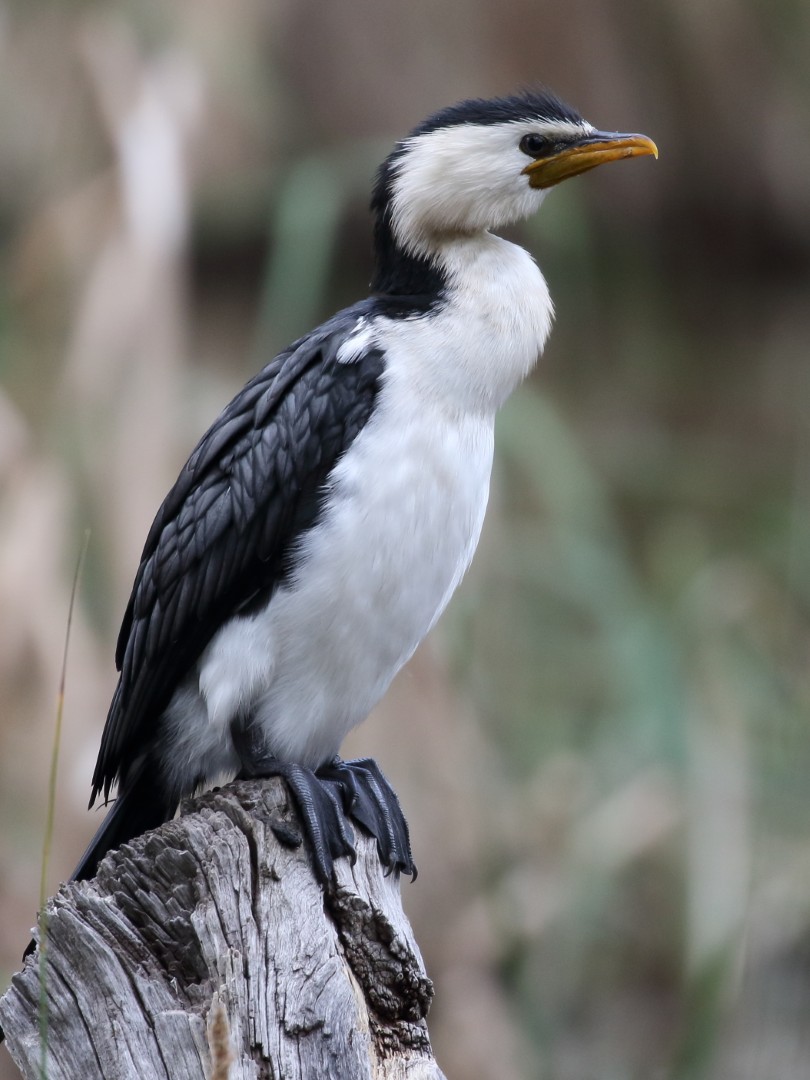
Confirmed in Woowookarung RP. Common and widespread throughout the Corridor. Occurs in wetlands such as those near Fed Uni.
BotM coming soon
Confirmed in the south of Woowookarung RP (recent report by Grant). Otherwise very uncommon and infrequently recorded in Ballarat.
BotM coming soon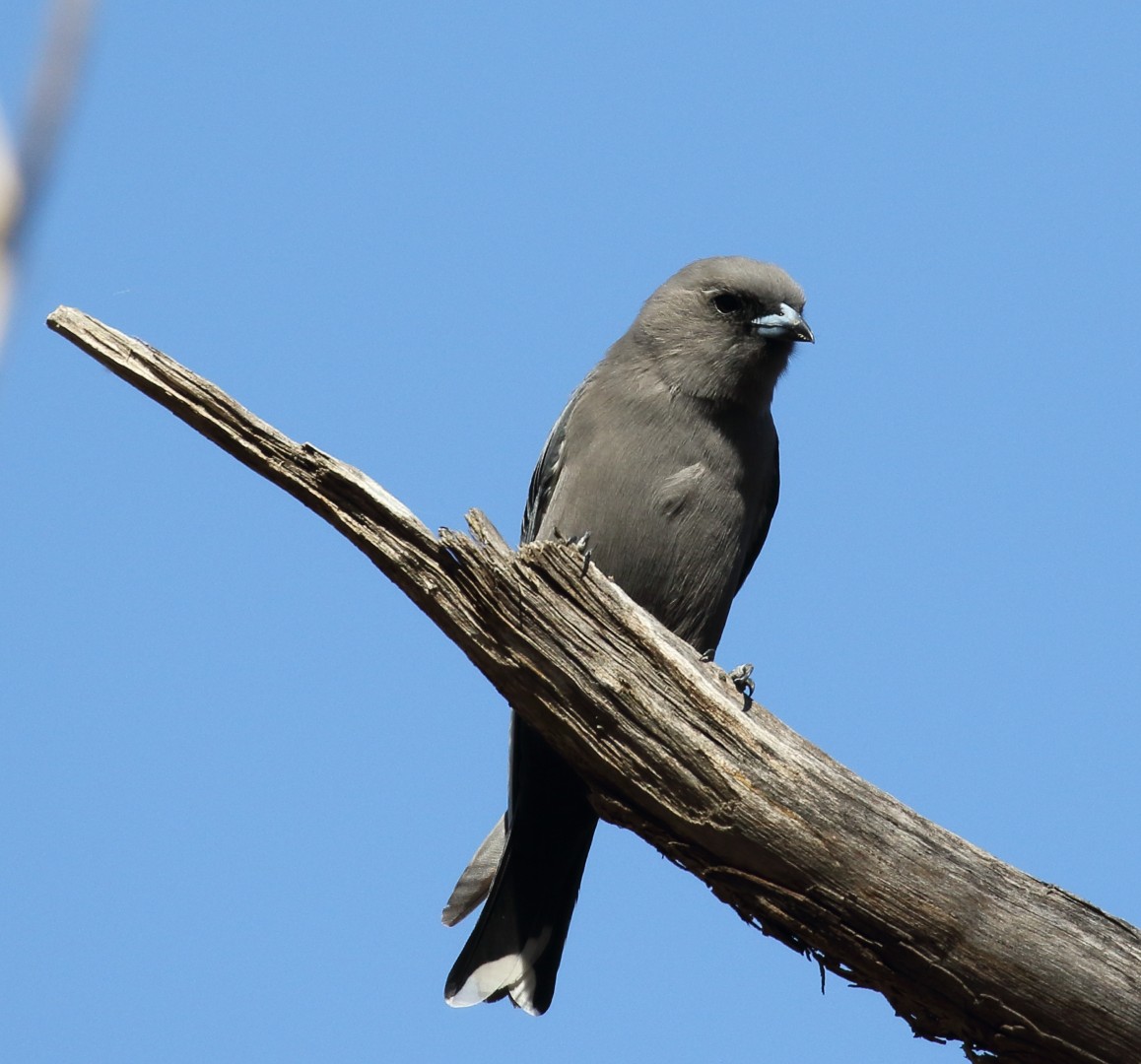
Confirmed at Woowookarung RP. Photographed on the Dementia Trail (22/3/20). Otherwise uncommon in Ballarat except at Ditchfield Reserve.
BotM coming soon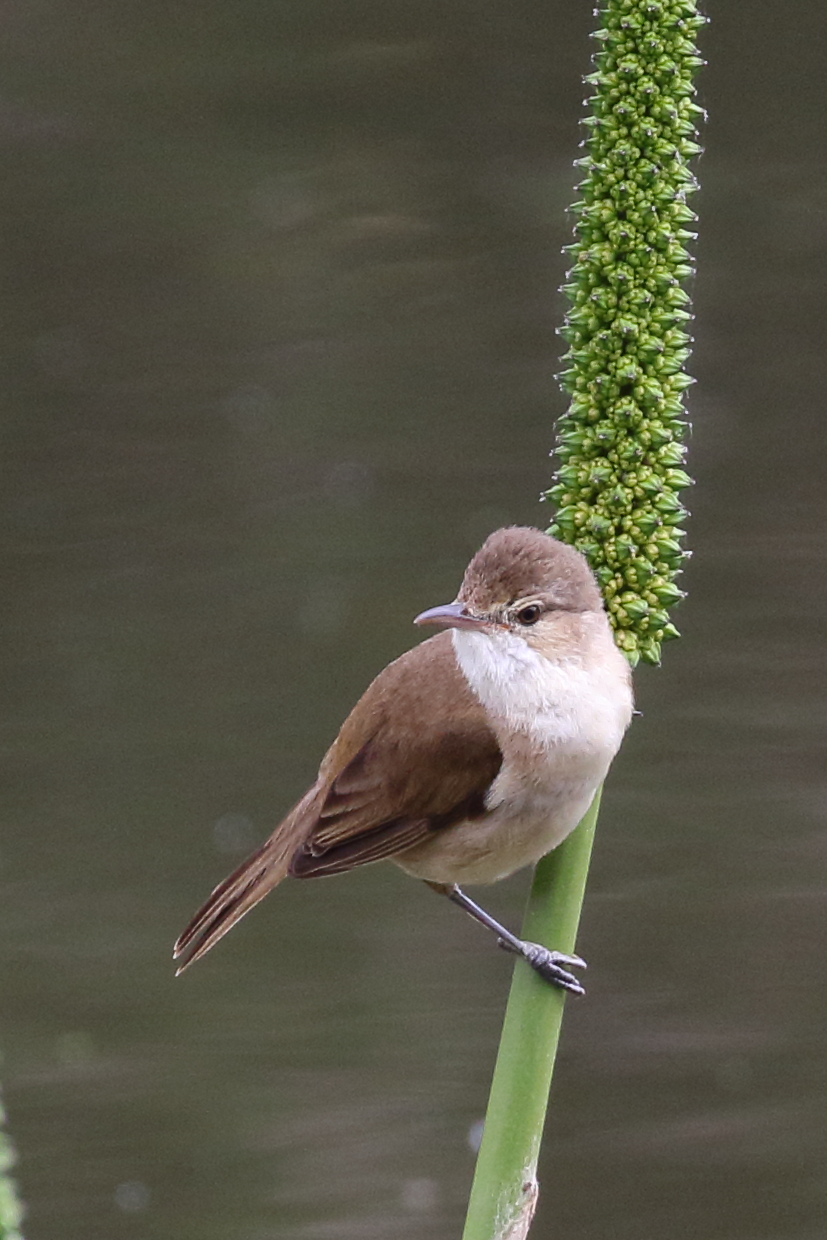
Confirmed in the Corridor where wetlands or dams have extensive reed cover. Often heard rather than seen, singing persistently from within reedbeds.
BotM 35 Article ➜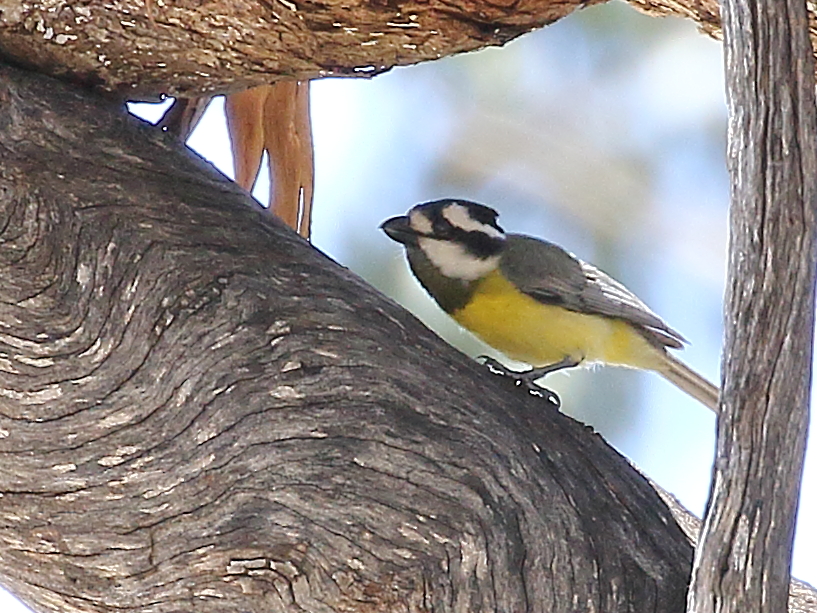
Possible in Woowookarung RP; confirmed at Union Jack Reserve and roadside gums along Main Rd, Mt Helen. Favours large old gums with shedding bark that exposes insect prey.
BotM coming soon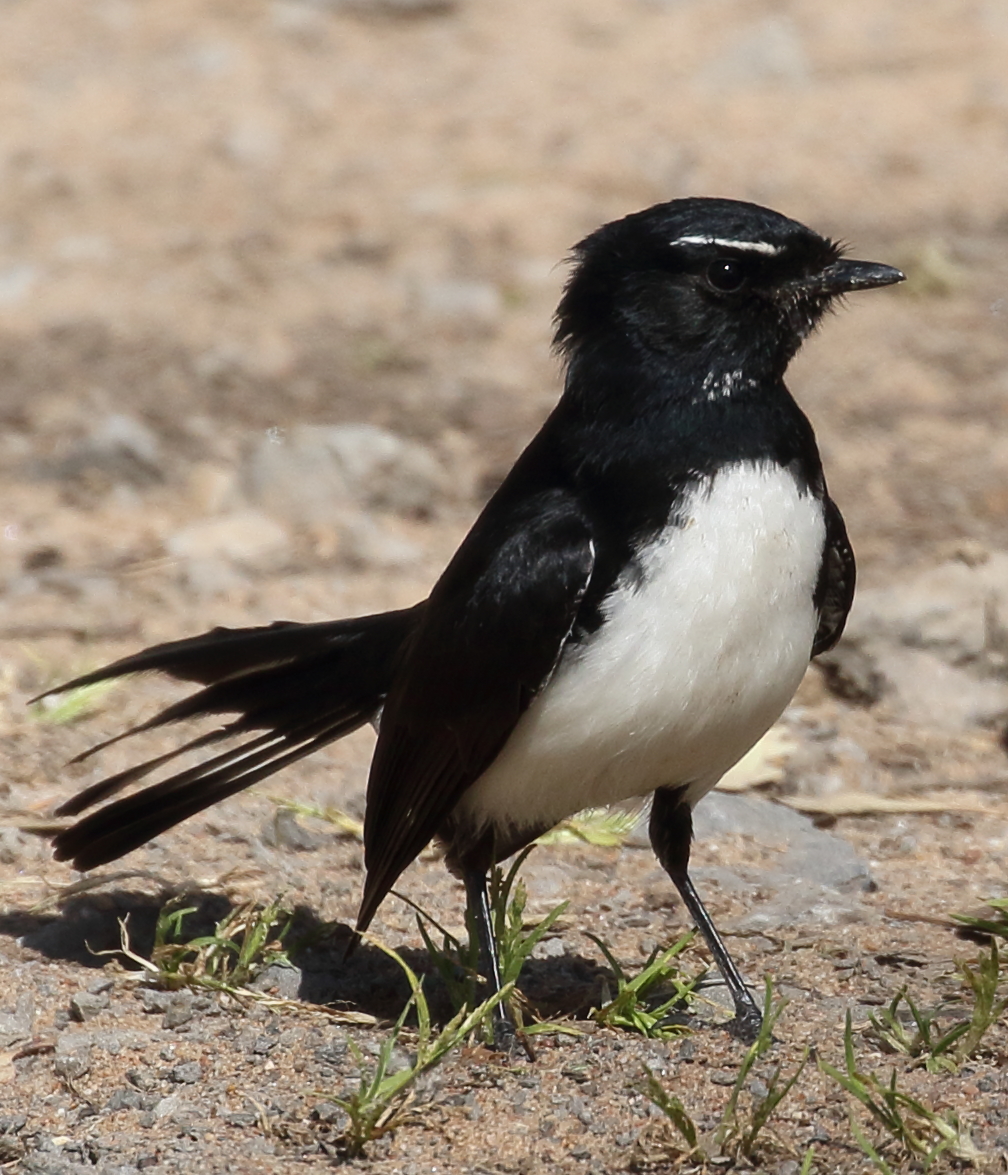
Confirmed at Lake Esmond but not yet at Woowookarung RP. Widespread and well‑known, though less common than in past decades.
BotM coming soon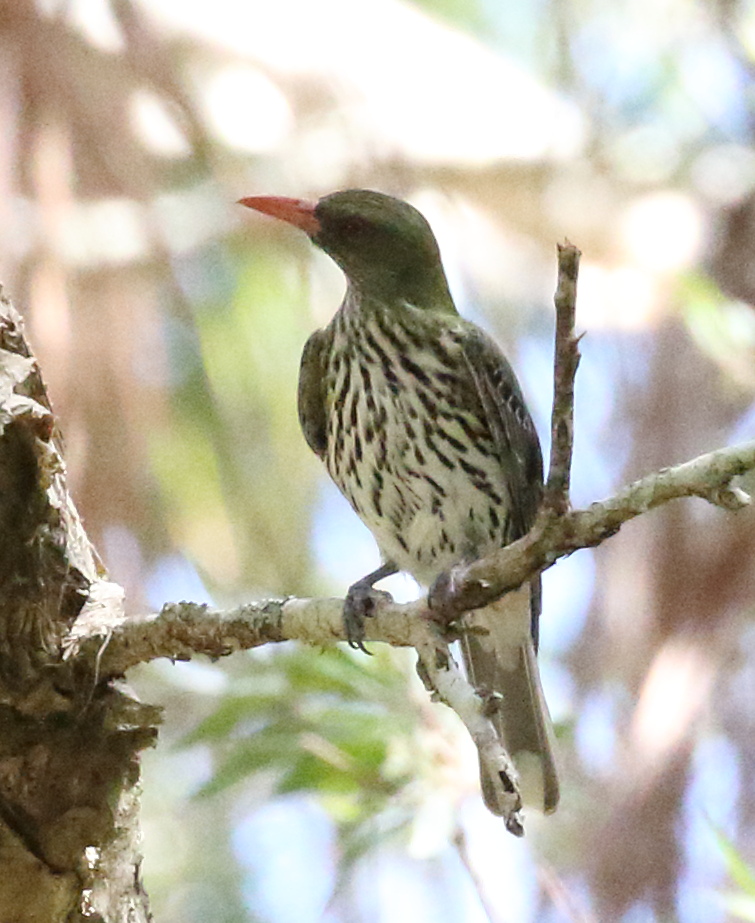
Possibly present in Woowookarung RP. Seen nearby at Buninyong Bushland Reserve. Spring–summer breeding migrant that winters in northern Australia and PNG.
BotM coming soon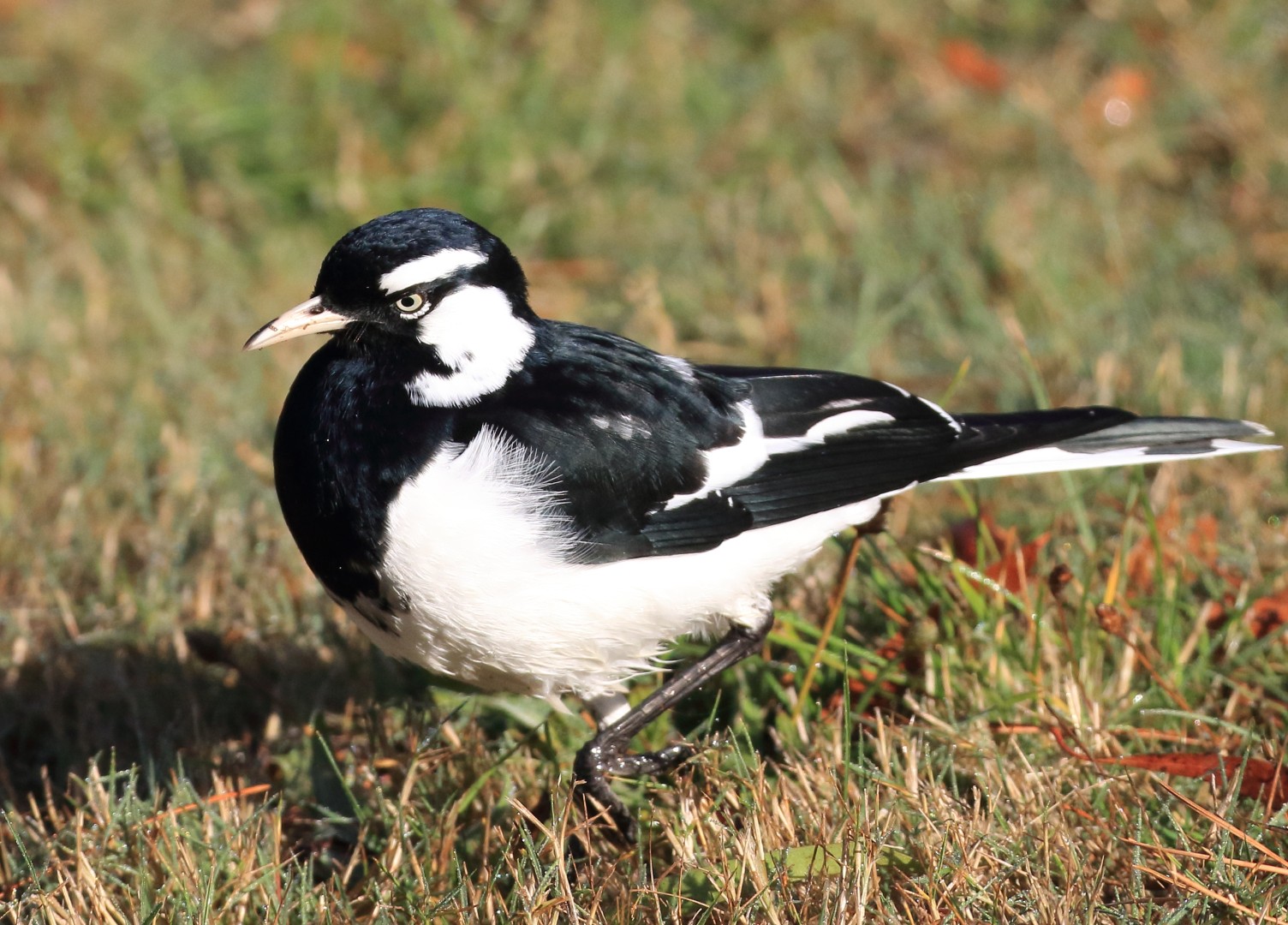
Magpie-lark
Common throughout much of Ballarat including Fed Uni (Mt Helen) and Lake Esmond, but not yet recorded at Woowookarung RP. Favours lightly wooded habitats. Males have a horizontal eye‑stripe; females have a vertical stripe.
BotM 33 Article ➜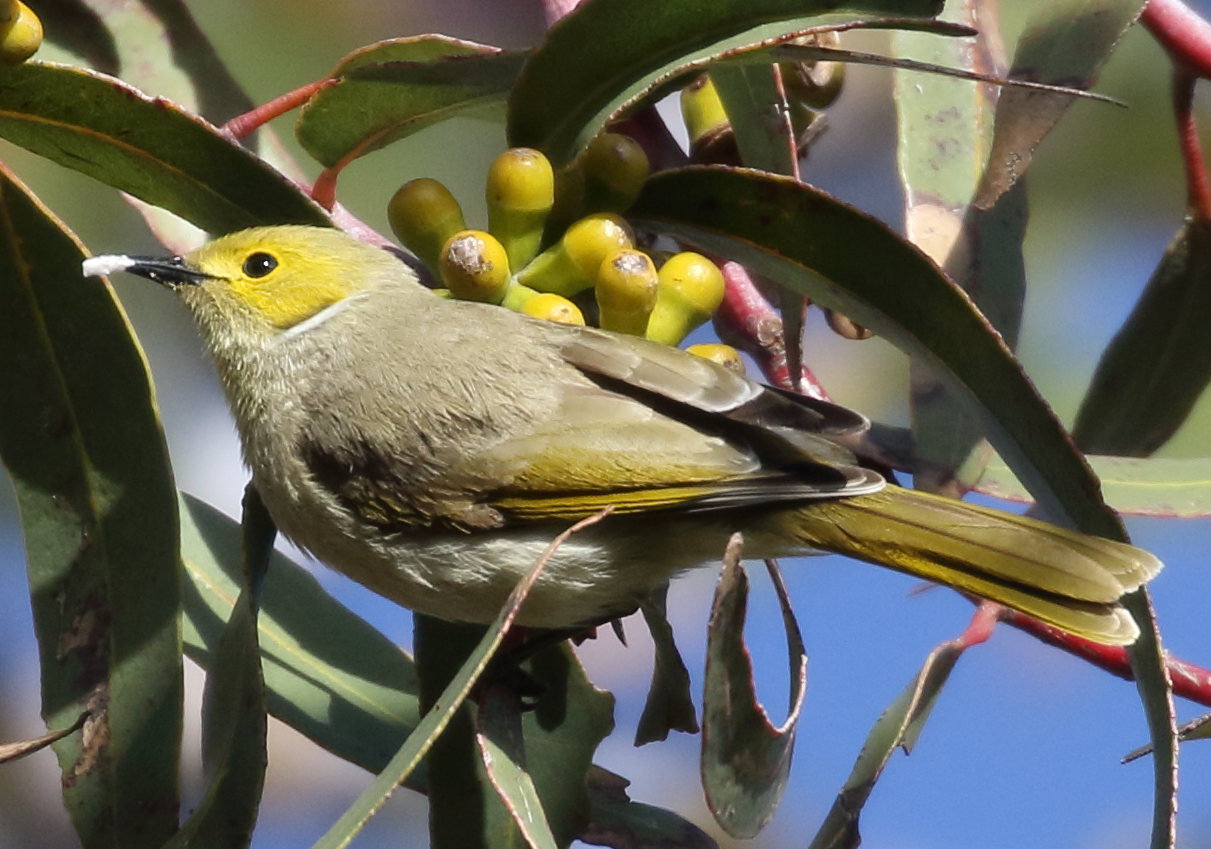
No records yet in Woowookarung RP, but plausible given its presence in Joel’s Buninyong backyard and suitable habitat nearby. Light grey and olive‑yellow tones with a fine white “plume” on the neck.
BotM coming soon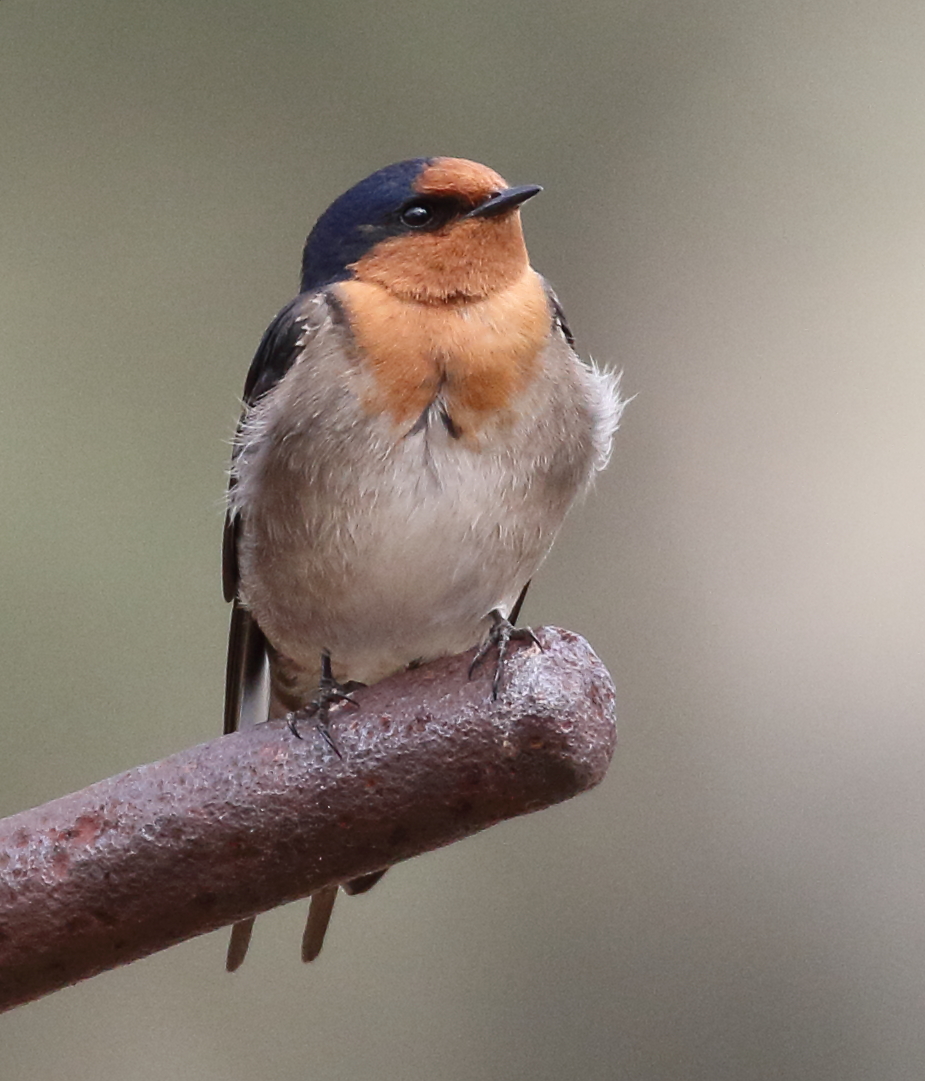
Confirmed in Woowookarung RP, especially where forest meets paddocks. Some or all of the local population may migrate north in autumn–winter. Performs agile aerobatics while hunting aerial insects.
BotM 6 Article ➜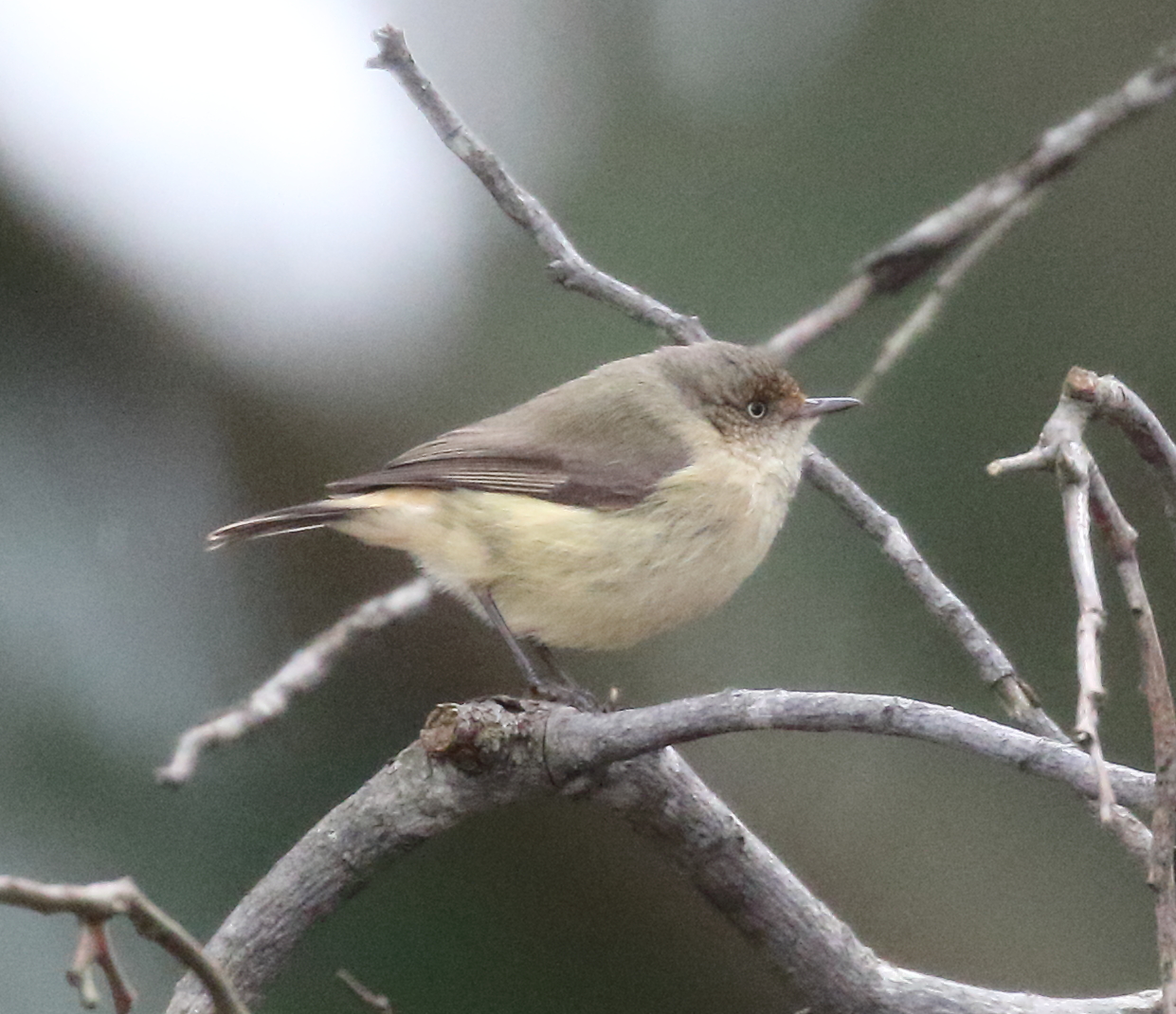
Confirmed in the Corridor (Buninyong), possible in Woowookarung RP. Nondescript brown thornbill with subtle scalloping on the forehead and behind the eye.
BotM coming soon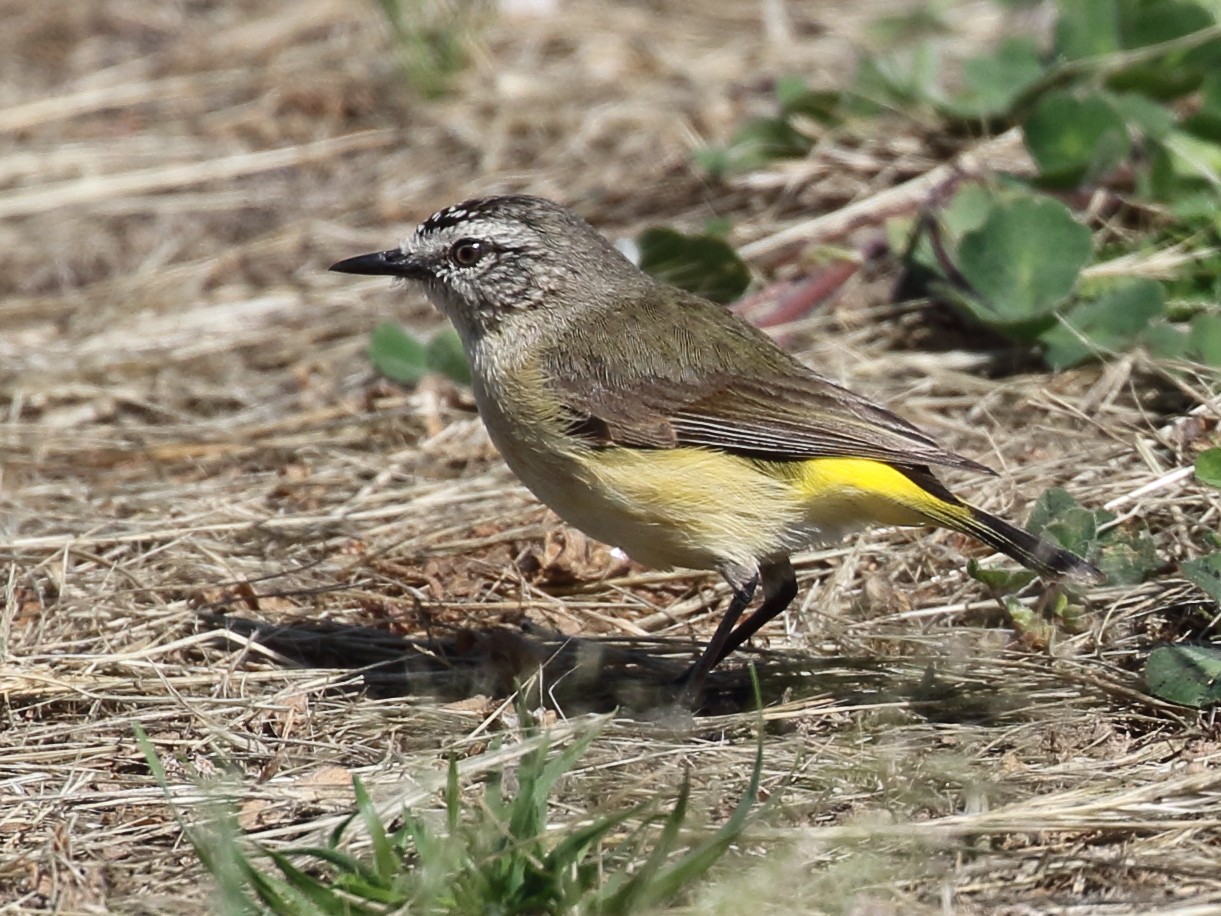
Confirmed in the Corridor (Union Jack Reserve, Buninyong Bushland Reserve), possible in Woowookarung RP. Prefers forest edges near farmland. Gregarious groups forage on the ground and in lower vegetation.
BotM 42 Article ➜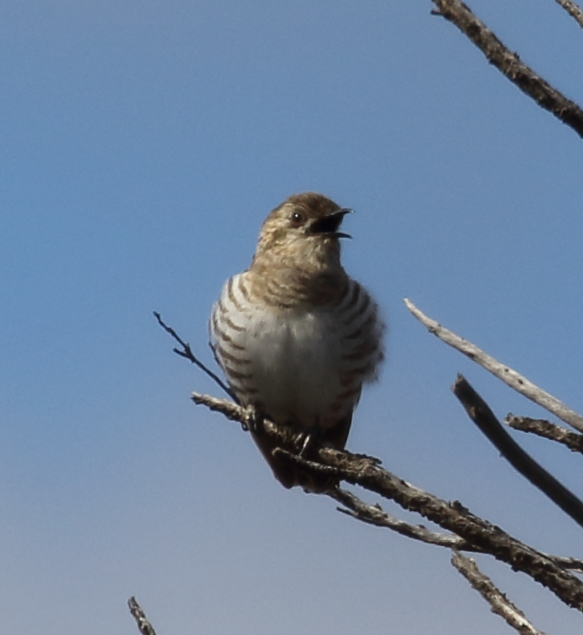
Vocal IDs by Joel in Buninyong. Likely in open ex‑plantation areas of Woowookarung RP. Similar to Shining Bronze‑cuckoo but less glossy, with bold eye‑stripe and barring that does not extend beyond the collar.
BotM coming soon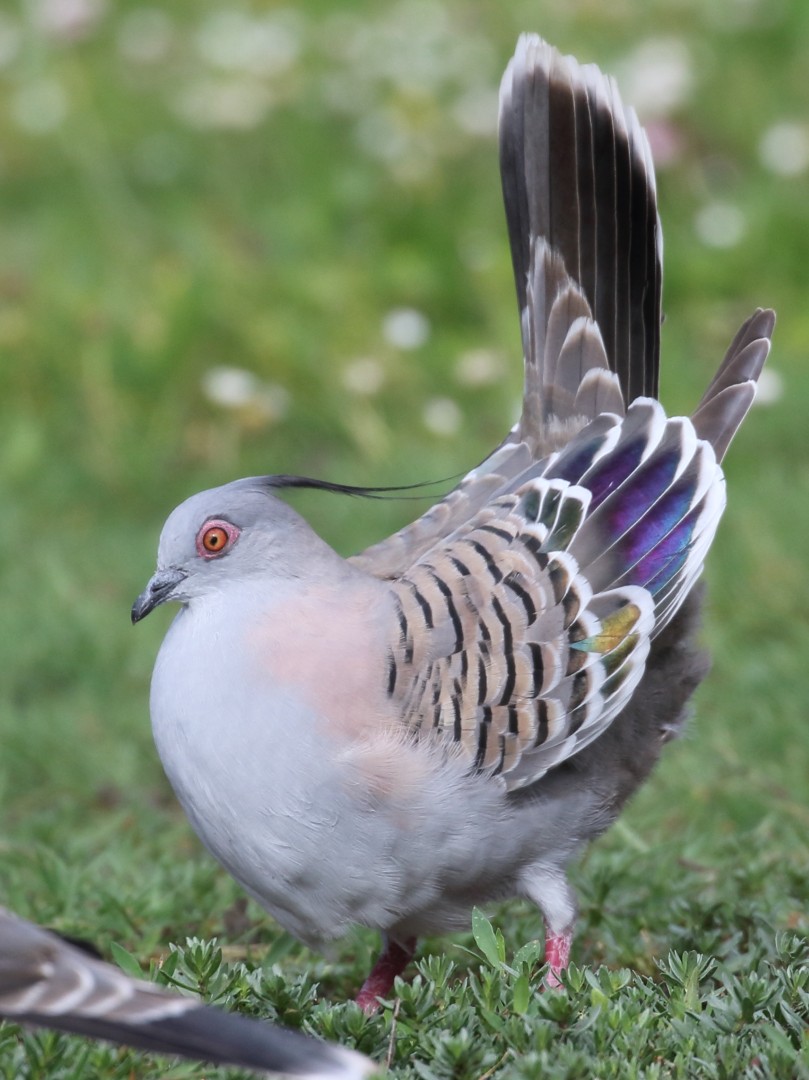
Native pigeon confirmed at Lake Esmond and Buninyong, but not yet recorded at Woowookarung RP.
BotM coming soon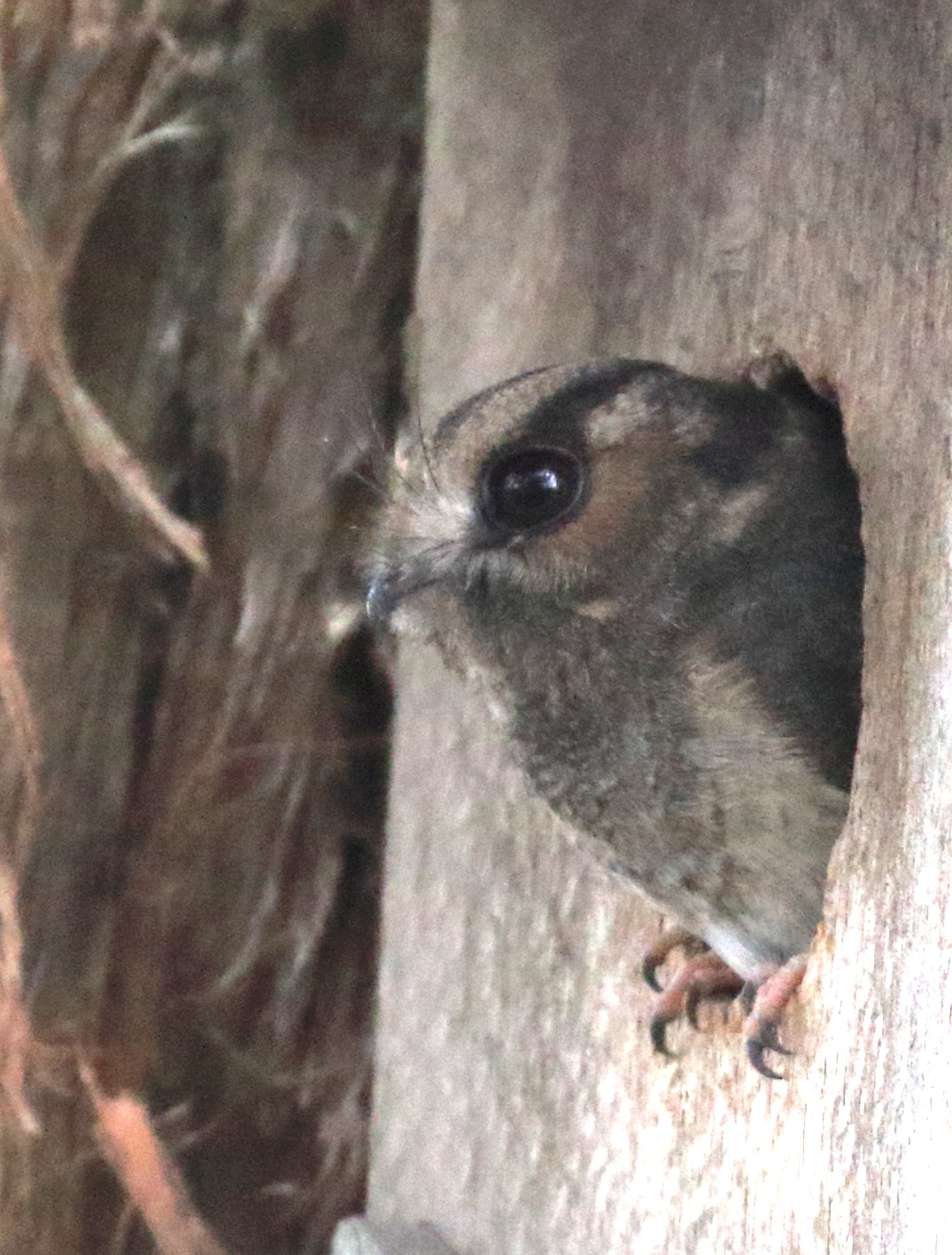
Small nocturnal species rarely encountered due to daytime roosting in hollows. Widespread nationally but seldom recorded in Ballarat. Mentioned on signage at Union Jack Reserve; also observed near Enfield.
BotM 28 Article ➜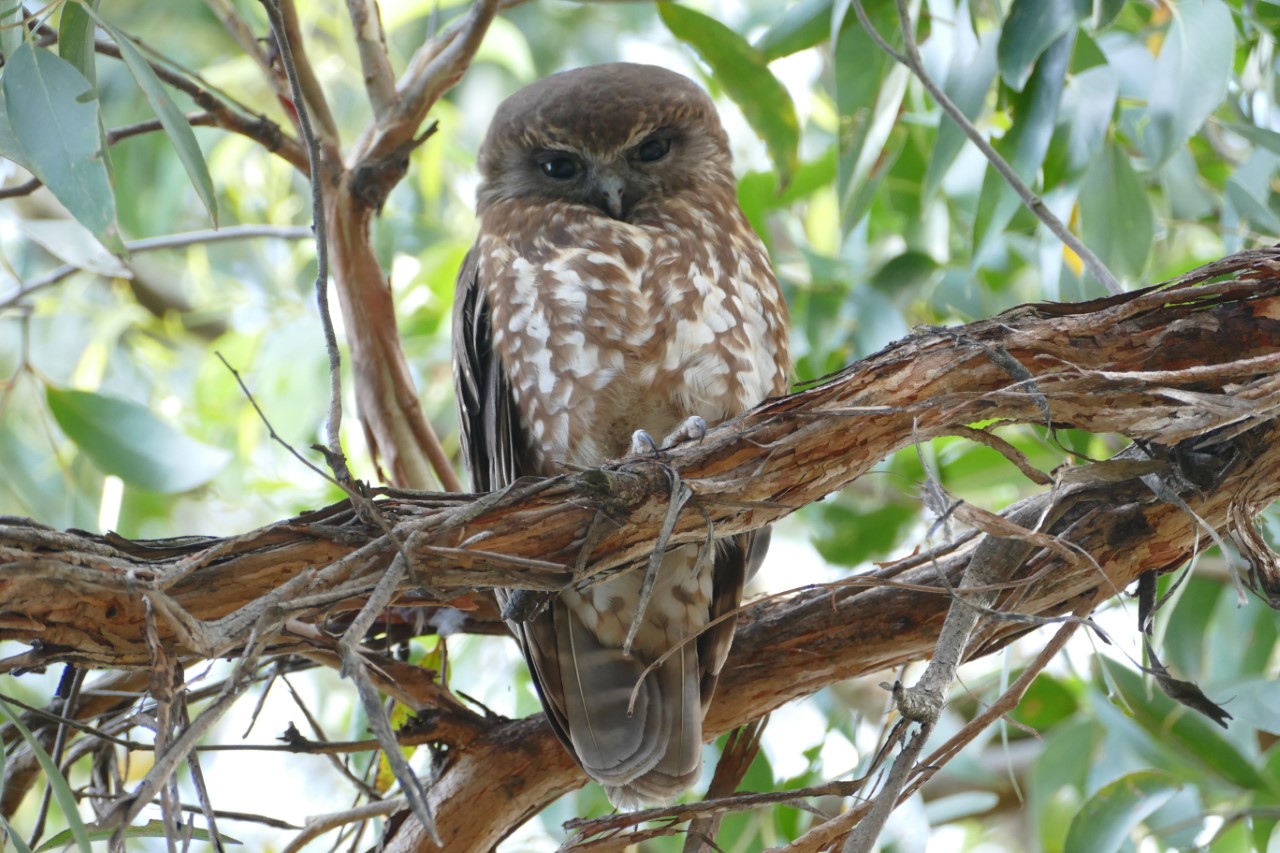
Common and widespread small owl. Vocal ID by Joel at Mt Xavier Golf Course, making its presence in Woowookarung RP plausible. Vulnerable to secondary rodenticide poisoning.
BotM 38 Article ➜
Confirmed in the Corridor. Probable breeding pair at Buninyong Golf Course. Surprisingly the most commonly recorded raptor at local golf courses. Likely in Woowookarung RP.
BotM coming soon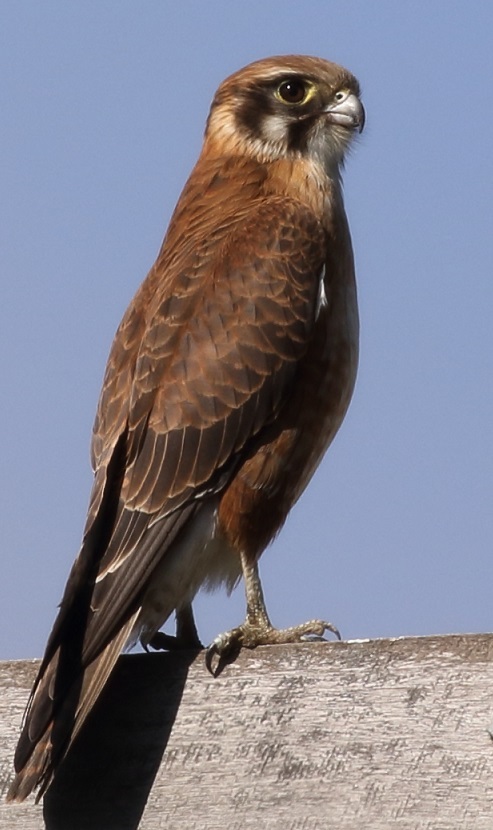
Brown Falcon
Confirmed in the Corridor (Buninyong, Scotsburn) and in Woowookarung RP. Prefers farmland on bushland fringes. Larger and thicker‑set than other local falcons.
BotM 44 Article ➜
Confirmed in the Corridor (Union Jack Reserve), likely in Woowookarung RP. Robust hawk differing from Collared Sparrowhawk by larger head and bill, pronounced brow ridge, thicker legs, and rounded tail. Hunts birds and rabbits from concealed perches.
BotM coming soon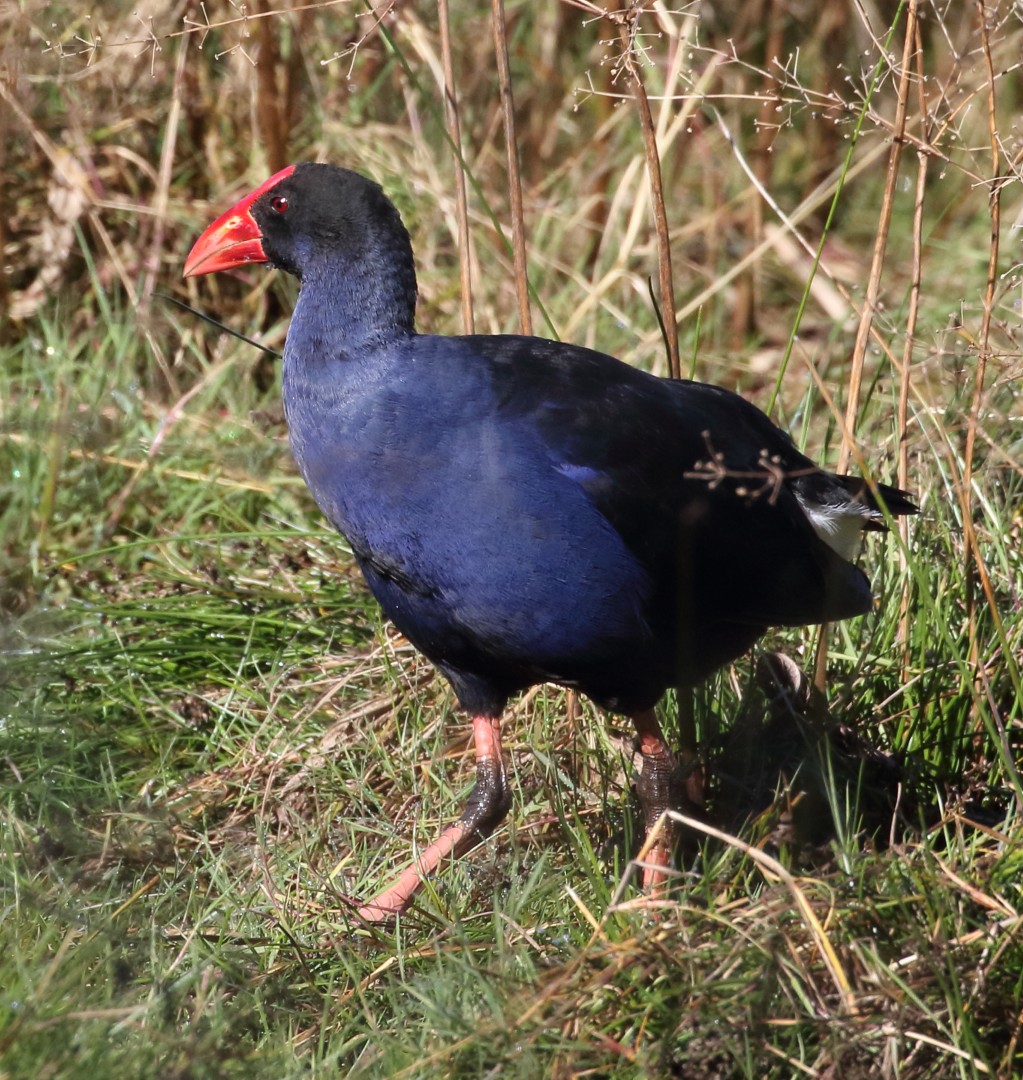
Similar habitat preference to Coot and Moorhen. Larger bird with red head shield. Forages along wetland margins for a wide variety of prey. Not a Woowookarung RP species but common throughout the Corridor.
BotM coming soon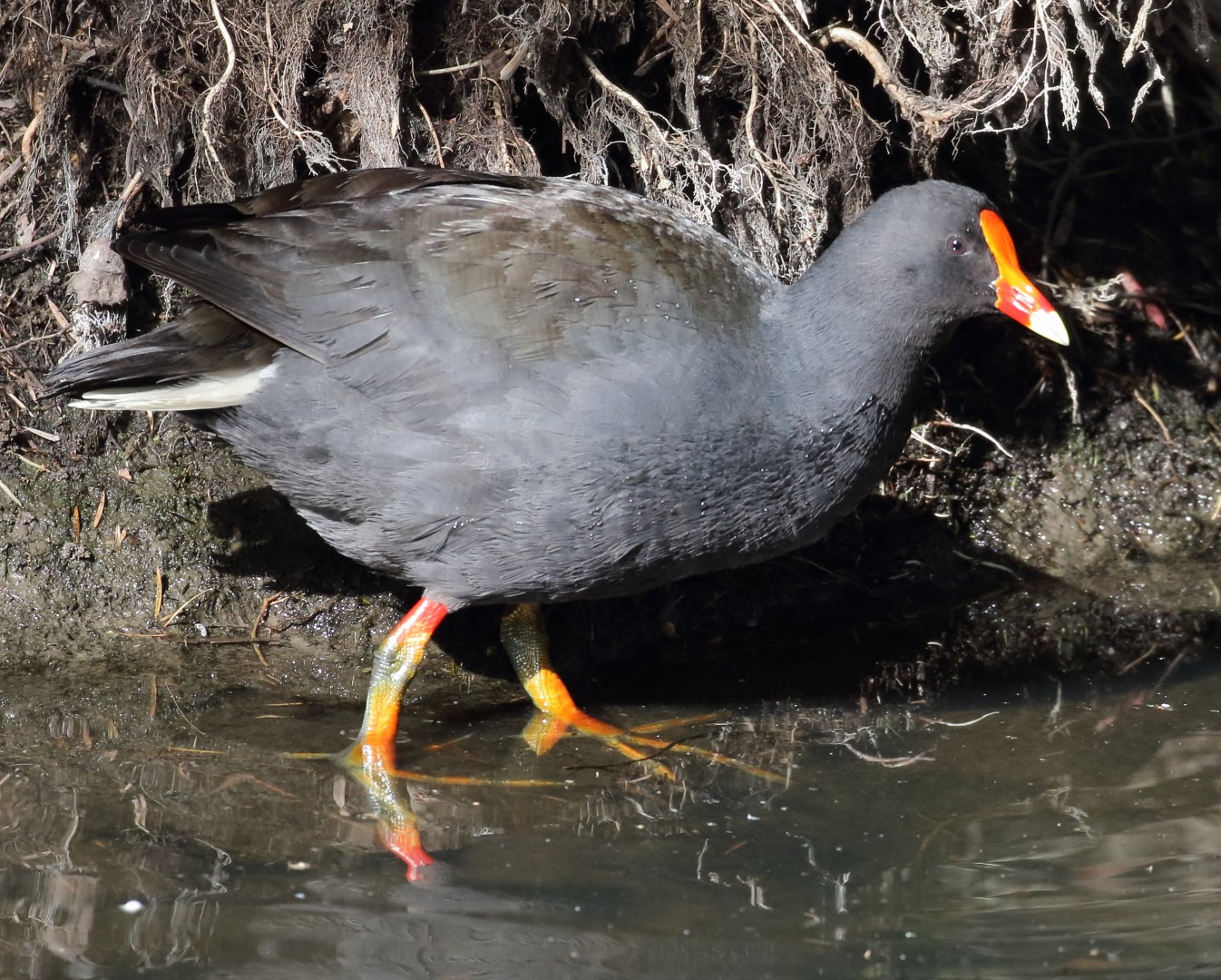
Similar to Eurasian Coot in habitat and appearance. Differs by its red and yellow bill and faint purple tinge. Common in wetlands throughout the Corridor.
BotM coming soon
Common in permanent waterbodies of sufficient size, hence absent from Woowookarung RP but widespread in the Corridor (Lake Esmond, Buninyong Botanic Gardens). Despite its name, native to Australia.
BotM coming soon
Common throughout Ballarat but unconfirmed in Woowookarung RP. Often maligned as “bin chicken”, though not all individuals scavenge rubbish. Occurs in wetlands, parks, and urban areas.
BotM coming soon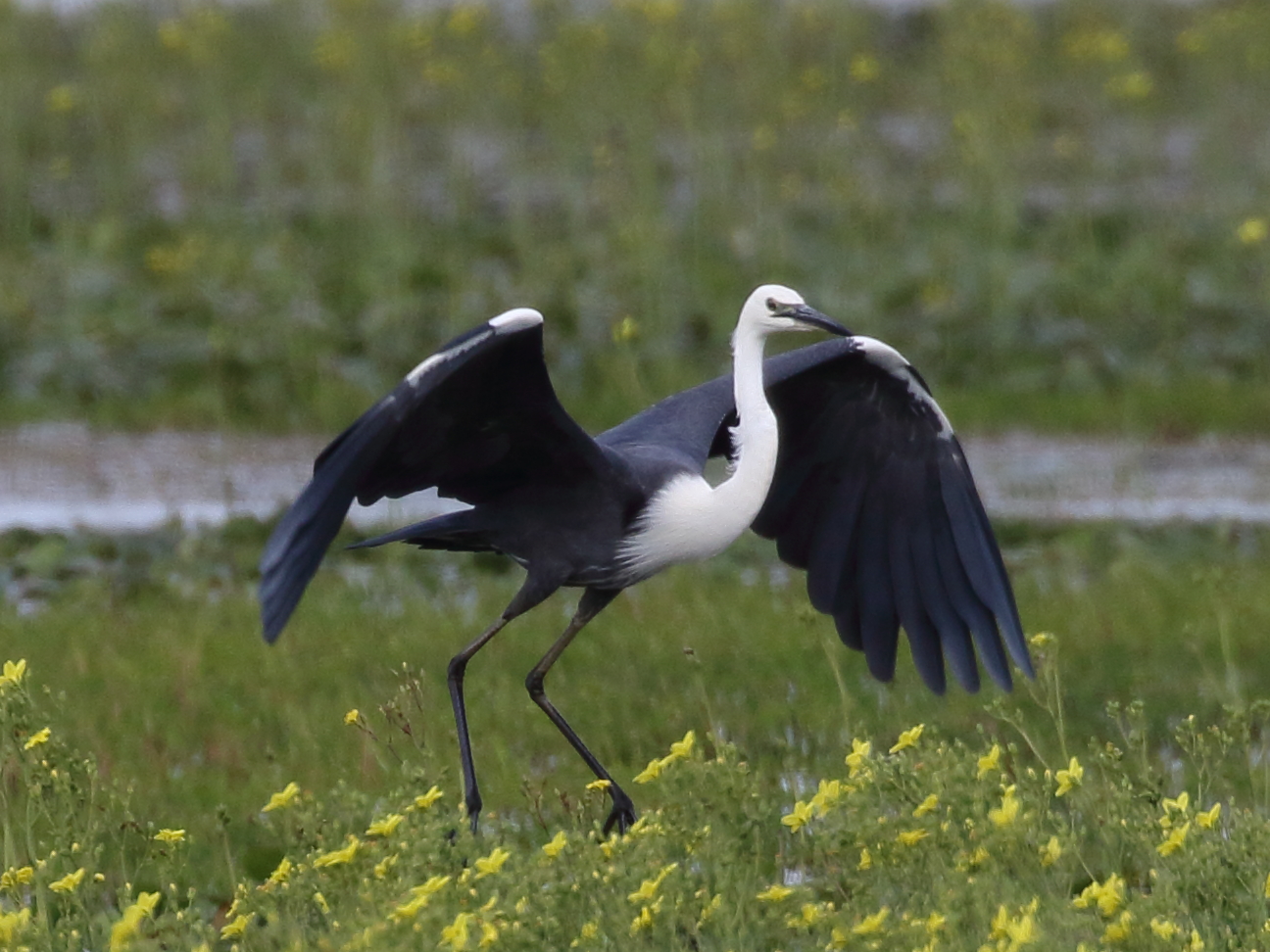
Confirmed in the Corridor (Navigators). Prefers flooded paddocks and shallow dams. Larger than White‑faced Heron with extensive white and bluish‑grey plumage.
BotM coming soon
Confirmed in the Corridor (The Gong Reserve, Buninyong Golf Course). Tall, all‑white egret with kinked neck. Favors wetland shallows and flooded roadside drains.
BotM coming soon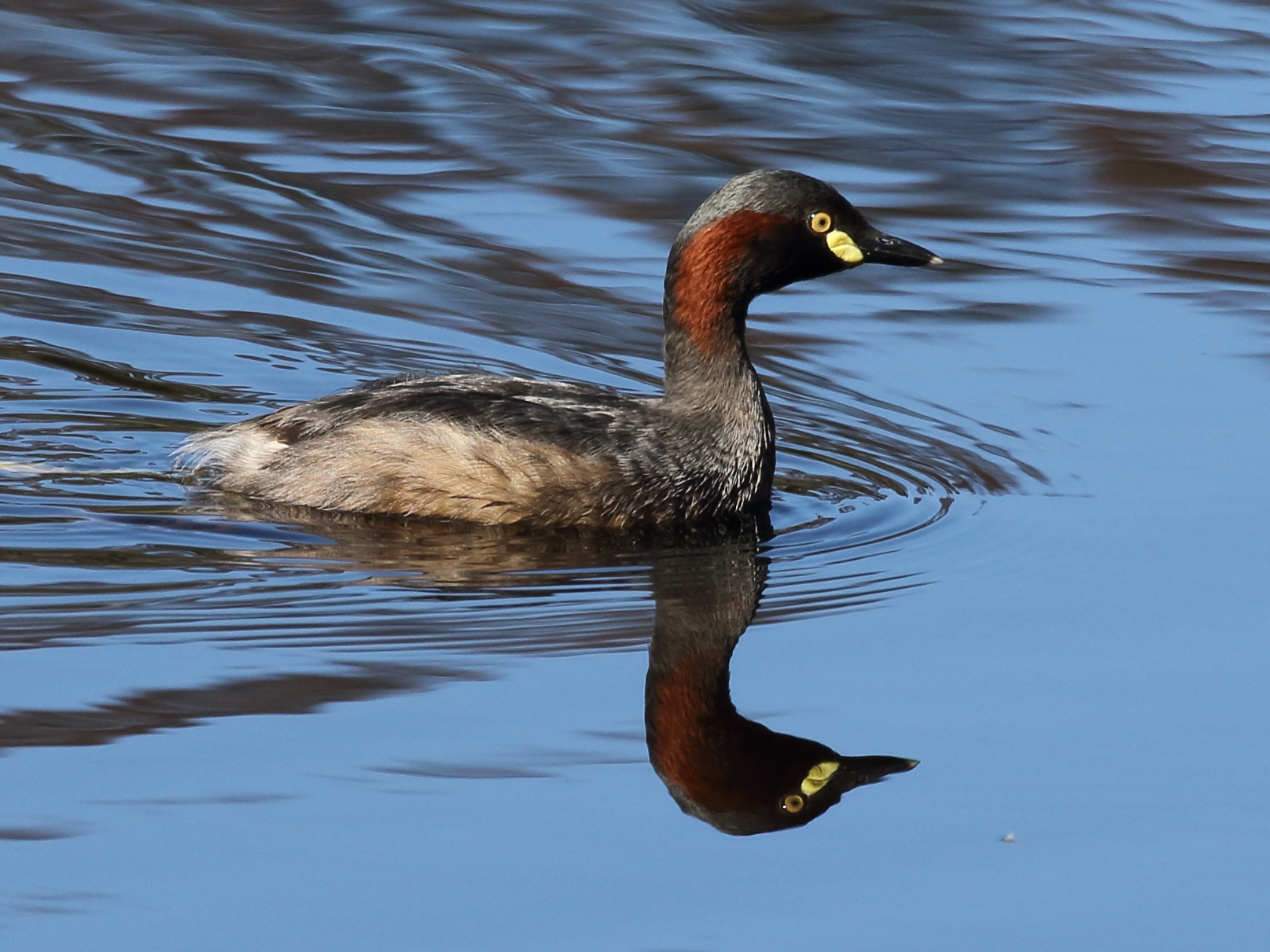
Confirmed at The Gong Reserve. Very small waterbird often mistaken for a duckling. Poorly adapted to walking on land; almost always swimming or flying. Breeding plumage shows chestnut cheek patch.
BotM coming soon
Rare visitor to The Gong Reserve. Very shy and considered “Threatened”. More often seen at Lake Wendouree. Males show red at the bill base; species has a distinctive upturned scoop‑like bill.
BotM coming soon
Hardhead
More selective of wetland habitat than many ducks. Confirmed in the Corridor (Buninyong Botanic Gardens, Lake Esmond, and once at Buninyong Golf Course). Dark brown duck; males have a distinctive white eye.
BotM coming soon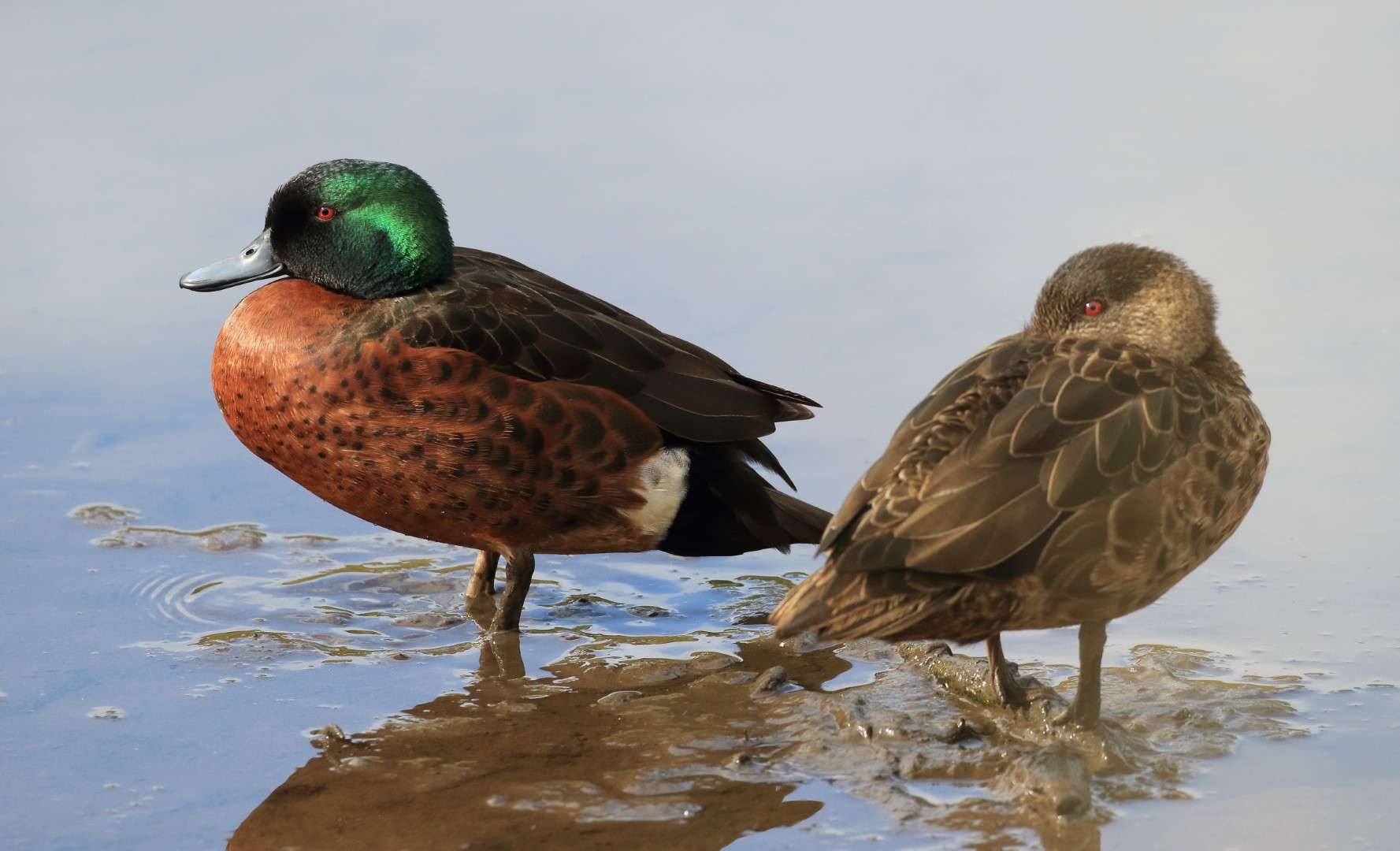
Shy duck regularly observed at The Gong Reserve and Buninyong Golf Course. Breeding pairs remain close together. Males have iridescent green heads; females resemble Grey Teal but show warmer tones.
BotM coming soon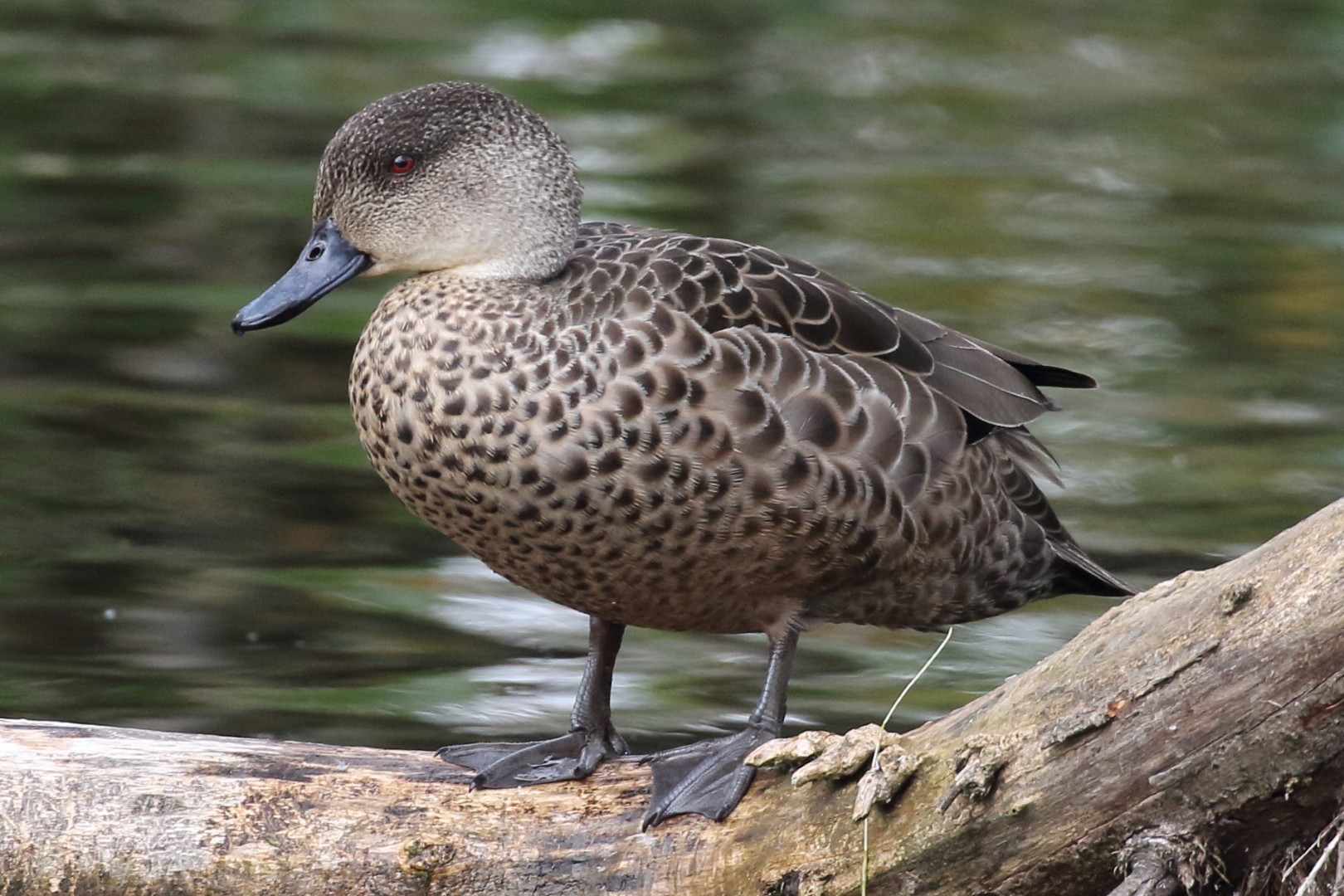
Grey Teal
Confirmed at The Gong Reserve and likely at Lake Esmond. Smaller and paler than Pacific Black Duck, lacking the black facial stripes. Common in wetlands throughout the Corridor.
BotM coming soon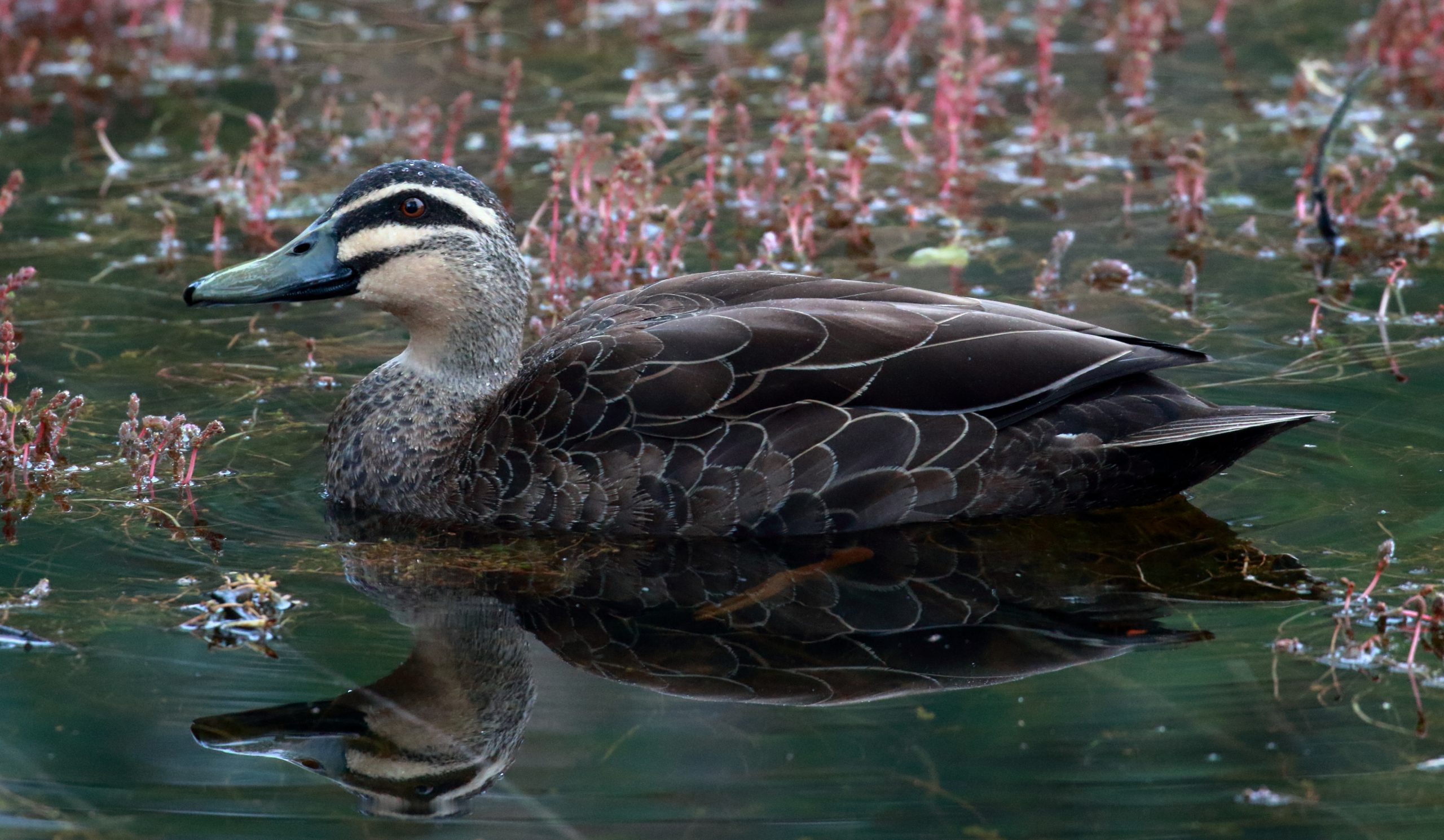
Common throughout Ballarat and confirmed in Woowookarung RP. Turns up in small dams across the Park and often seen flying over. Probably the most familiar duck species locally.
BotM coming soon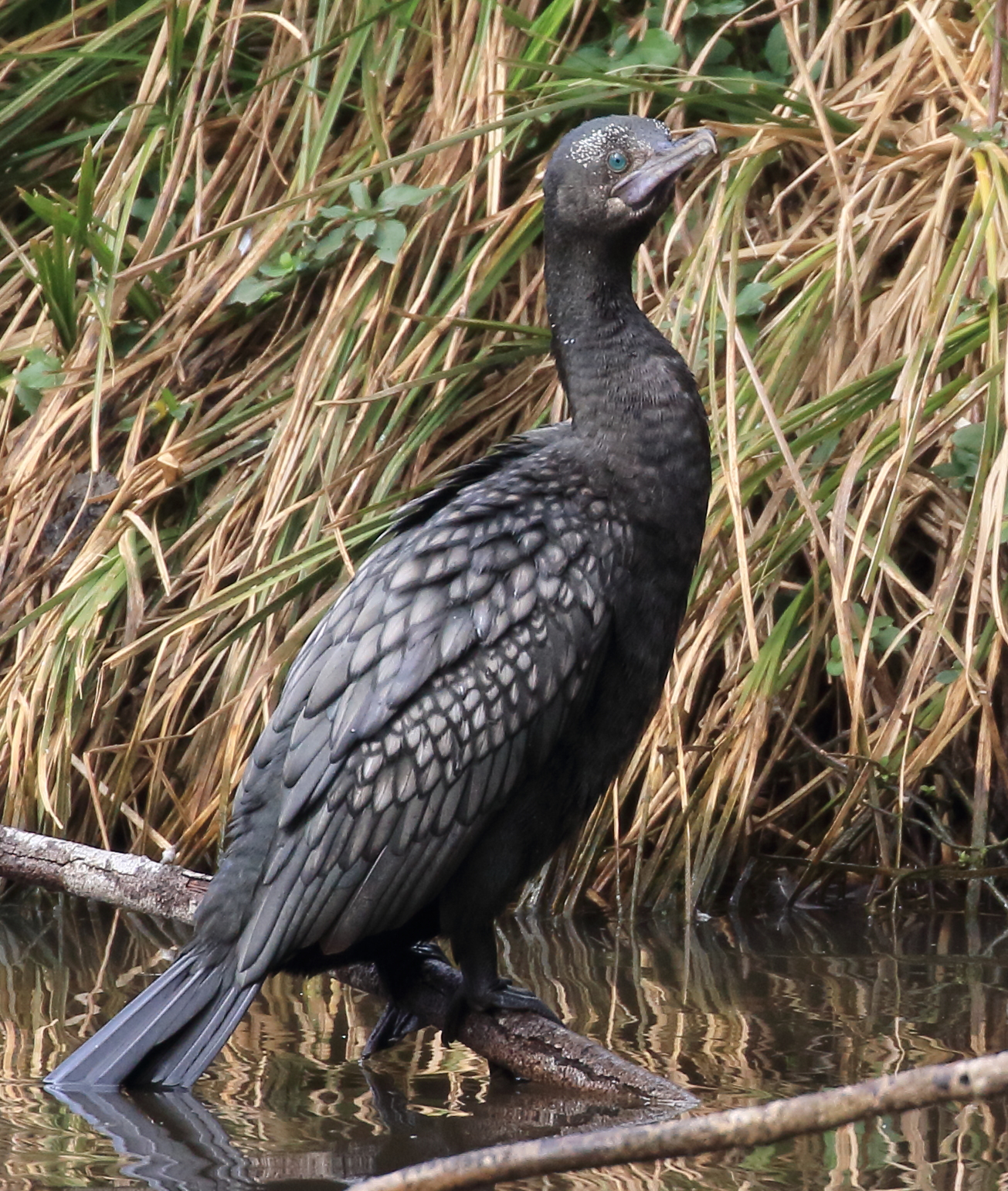
Confirmed at The Gong Reserve and partial to dams. Notable for its striking turquoise, marble‑like eyes.
BotM coming soon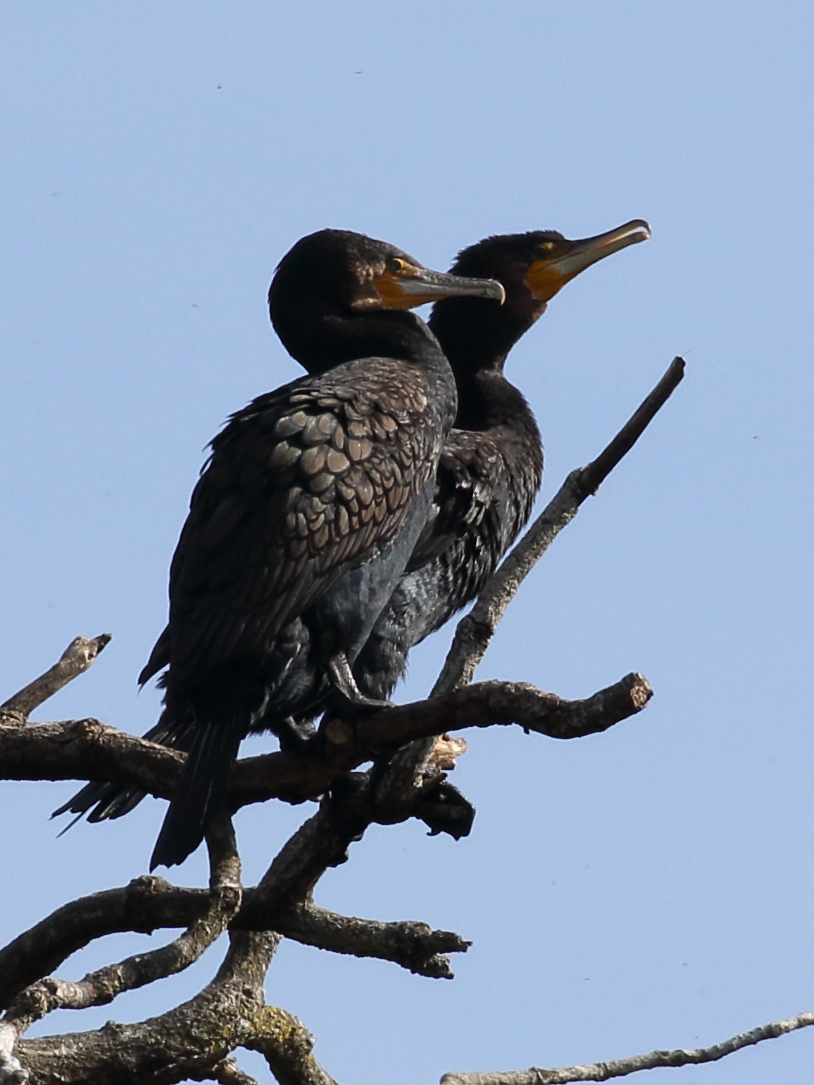
Confirmed at Lake Esmond and Buninyong Golf Course. Similar to Little Black Cormorant but larger, with white and yellow on the cheek.
BotM coming soon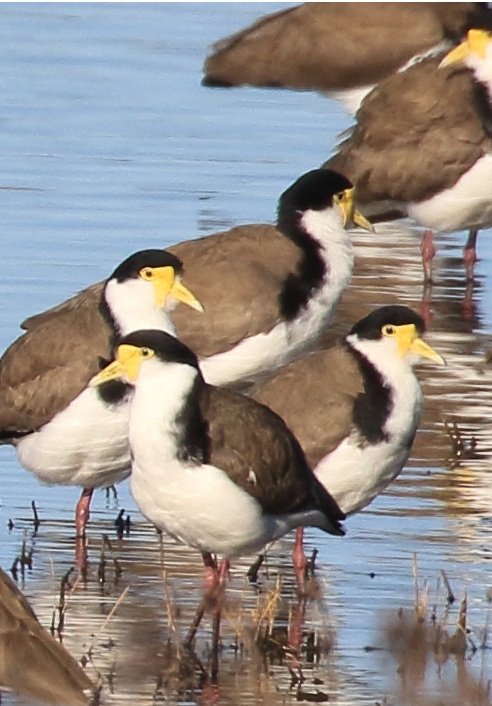
Common throughout Ballarat but unconfirmed in Woowookarung RP. The familiar “Plover”. Ground‑nester favouring open spaces.
BotM coming soon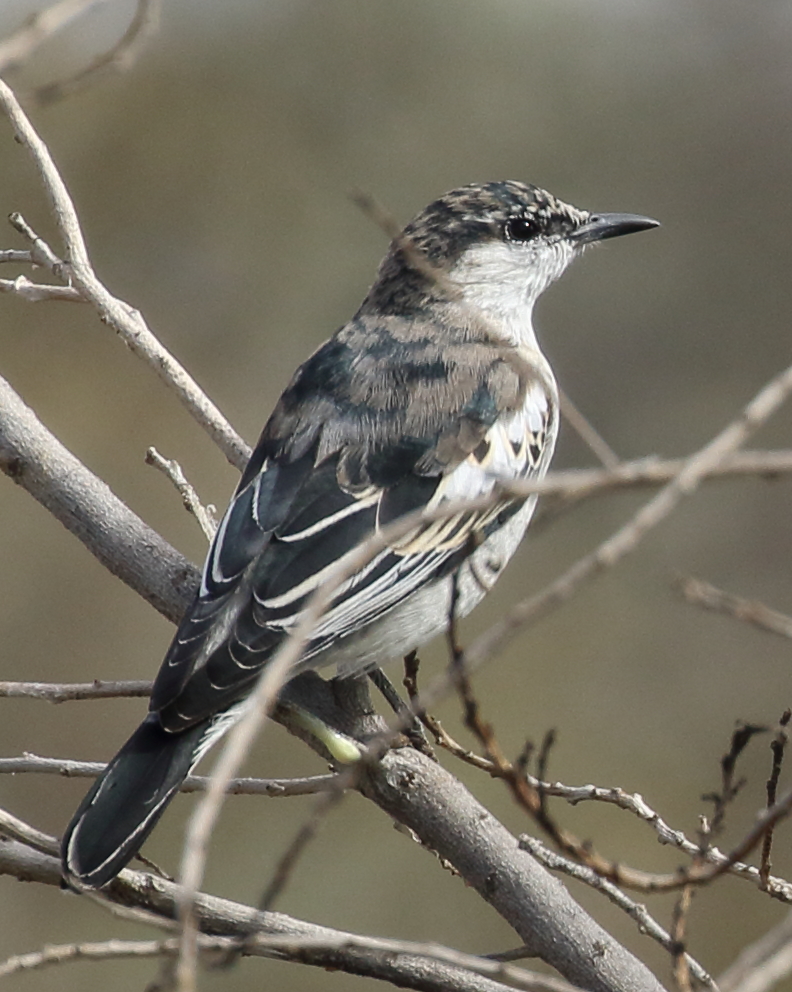
First reported in Woowookarung RP in 2023 by Rob, seen just off Katy Ryans Rd in the centre of the Park.
BotM coming soon